 EN
EN
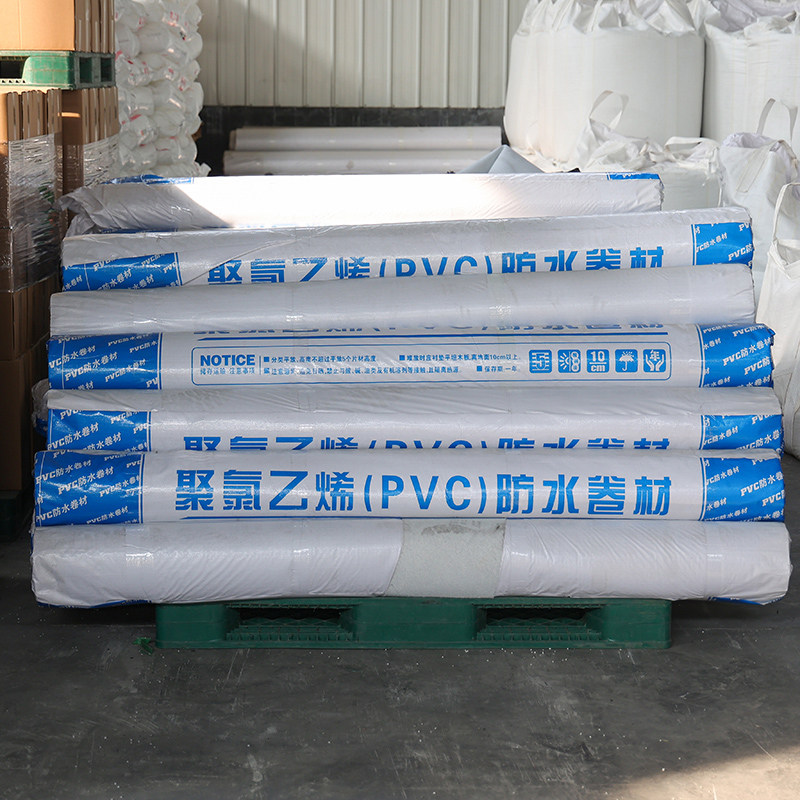
Hoogpresterende Waterdigte Boumateriale met 'n Lae Omgewingsimpak
Kristallyne Waterdigting: Selfherstellende Beton en Verlengde Dienslewe
Kristallyne waterdigheidswerk werk deur gewone beton in iets te verander wat homself van binne af kan verseël. Die proses begin wanneer water in klein krake in die beton ingaan. Op daardie stadium begin spesiale bymiddels wat in die beton gemeng is, chemies reageer en kristalagtige vormings skep wat daardie krake permanent verstopt. Wat hierdie tegniek so uitstaande maak, is sy lang leeftyd. Die meeste geboue wat op hierdie manier behandel word, sien hul leeftyd met tussen 30 en 50 jaar uitgebrei, wat beteken dat daar nie meer nodig is om krake te herstel of membrane te vervang nie. En aangesien dit direk op bestaande betonoppervlaktes toegepas word sonder dat addisionele materiale benodig word, verminder ons onder andere materiaalverspilling en koolstofvoetspoor. Navorsing toon dat hierdie benadering koolstofuitstoot met ongeveer 40 persent verminder in vergelyking met ouer metodes wat stowwe soos asfalt of plastiekmembrane gebruik.
Bentonietkleis en mineraalgebaseerde stelsels: Natuurlik, nie-toxisies en duursaam
Wanneer natriumbentonietklei nat word, swel hulle op 'n beheerde manier op wat werklik digte, waterdigte versperrings skep. Die beste deel? Hulle doen dit sonder dat enige sintetiese goed of skadelike chemikalieë bygevoeg hoef te word. Hierdie materiale is gesertifiseer as nie-gevaarlik omdat hulle geheel en al van minerale gemaak is. In vergelyking met produkte gebaseer op petroleum, verminder hulle daardie nare vlugtige organiese verbindings (VOS'e) met ongeveer twee derdes. Wat hulle selfs beter maak vir ondergrondse konstruksieprojekte, is hul stabiele aard oor tyd. Aan die einde van hul nuttige lewensduur kan werkers dit veilig weggooi of maniere vind om dit later weer te hergebruik. Hierdie soort denke pas perfek in moderne benaderings waar geboue langer moet hou en oor die algemeen minder afval moet skep.
Innovatiewe, omgewingsvriendelike betonalternatiewe wat waterdigtheid integreer
Buigbare (Ingenieursbeton-samestelling) beton met inherente waterweerstand
Wat Engineered Cementitious Composite (ECC) uitstaan, is hoe dit natuurlik teen water weerstaan as gevolg van sy unieke kraakgedrag. Tradisionele beton kraak net en bly gekraak, maar ECC het daardie klein polimeerverwe wat deur die hele materiaal gemeng is, wat toelaat dat klein kraake vorm wanneer dit onder spanning gestel word, sonder dat hulle oral versprei nie. Wanneer hierdie mikroskopiese kraake nat word, begin hulle eintlik self genees deur voortdurende chemiese reaksies, wat waterdeurdringing met ongeveer 70 persent kan verminder. Dit verleen ECC-materiaal sowel sterkte as buigsaamheid, wat dit besonder geskik maak vir gebiede wat aan aardbewings blootgestel is, waar geboue 'n bietjie moet beweeg sonder om uitmekaar te val. Baie bouprojekte vereis nie eens ekstra waterdigte lae nie, omdat ECC die vog op sy eie hanteer, of dit nou bo grond geïnstalleer word of ondergronds begrawe word. Daarby verminder ECC se vervanging van ongeveer die helfte van die gewone sement met goed soos vliegas vanaf kragstasies die koolstofuitstoot met ongeveer 40 persent, volgens bedryfsberamings.
Gerecycleerde gruis en 3D-geprint beton: Waterdigte duurzaamheid en koolstofvermindering
Nuwe betonmengsels meng nou gerecycleerde materiale met 3D-druktegnologie, sodat waterdigtheid direk tydens die konstruksieproses in strukture ingebou word. Betonskrape en ou mure kan in baie gevalle werklik die hele nuwe gruis wat benodig word vervang, wat massiewe hoeveelhede uit stortplekke hou sonder dat sterkte verloor word. Die laag-proses maak beter vormontwerpe moontlik wat verhoed dat water op spesifieke plekke versamel, dit help met behoorlike dreinering en verminder druk op kwesbare areas waar water sou kon opbou. Voeg net 'n paar spesiale bestanddele soos kristaladditiewe of bentoniet regstreeks in die geprint mortelmengsel by, en skielik praat ons van beton wat basies self teen waterskade beskerm. Onderhoudsbehoeftes daal met ongeveer die helfte, en ons bespaar ook ongeveer 30% op water tydens die betonmengproses. Aannemers begin nou werklike voordele hier sien wat verby bloot omgewingsvoordele gaan.
| Kenmerk | Tradisionele beton | Volhoubare Alternatiewe |
|---|---|---|
| Koolstofvermindering | Baslyn | 30–60% kleiner voetspoor |
| Materiale Bron | Oorspronklike gruis | 60–100% herwinde inhoud |
| Waterdigtingsmetode | Eksterne membrane | Geïntegreerde ontwerp + minerale byvoegings |
Validering van volhoubaarheid: LCA, LEED-krediete en oorwegings vir menslike gesondheid vir waterdigte boumateriale
Wanneer dit kom by die bewys van volhoubaarheidsaansprake oor waterdigte materiaal, is daar basies drie hoofareas wat die meeste saak maak: om na hul hele lewensiklus te kyk, om te kyk of hulle pas by groen boustandaarde, en om te bepaal hoe hulle mense se gesondheid beïnvloed. Goeddeels sal vertrouenswaardige maatskappye LCA-data van onafhanklike bronne verskaf wat werklik metings soos koolstofvoetspoor, totale energieverbruik en wat met hulpbronne gebeur gedurende die produk se hele bestaan — van vervaardiging tot weggooi — doen. In LEED v4.1-sertifiseringsprogramme kan sekere tipes waterdigte stelsels, soos kristallyne en bentoniet, spesifiek punte verdien onder die vogbestuurvereistes vir die voorkoming van skimmel, asook help om binnelugkwaliteitsvereistes tydens konstruksie te bevredig. Die syfers ondersteun dit ook: daar is tans reeds meer as 90 000 geboue wêreldwyd wat hierdie sertifikasies behaal het. Wat al hierdie belangrik maak, gaan nie net oor die nakoming van regulasies nie. Behoorlike waterdigting keer aanhouende vogprobleme en skimmelsvorming, wat volgens navorsing deur sowel die Wêreldgesondheidsorganisasie (WHO) asook die Amerikaanse Omgewingsbeskermingsagentskap (EPA) een van die grootste omgewingsfaktore agter astma en ander asemhalingsprobleme is. Moderne waterdigoplossings kombineer langdurige prestasie, minimale skadelike chemikalieë en werklike gesondheidsvoordele. Dit beteken dat waterdigting vandag nie meer net oor die nakoming van reëls gaan nie — dit word nou ‘n kernkomponent van die skep van geboue wat meer aan ons omgewing teruggee as wat hulle daarvan neem.
VEE
Wat is kristallyne waterdigmaking?
Kristallyne waterdigmaking is 'n proses waarby additiewe chemies in beton reageer om kristalagtige strukture te vorm wat klein krake verseël, wat die beton duursaam en self-verseëlend maak.
Hoekom word bentonietkleie as omgewingsvriendelik in konstruksie beskou?
Bentonietkleie is omgewingsvriendelik omdat dit digte newels sonder sintetiese additiewe of skadelike chemikalieë vorm, wat VOK's verminder en volhoubare afvalpraktyke ondersteun.
Hoe word waterdigmaking in 3D-gedrukte beton geïntegreer?
3D-gedrukte beton sluit waterdigmaking in deur additiewe soos kristalle of bentoniet in die mengsel in te bedryf, wat duursame, self-beskermende strukture skep terwyl afval verminder word.
Wat is die voordele van die gebruik van ECC-beton?
Die voordele van ECC-beton sluit selfherstellende eienskappe, verminderde waterdeurdringing, verbeterde buigsaamheid en laer koolstofuitstoot in as gevolg van die gedeeltelike gebruik van herwinde materiale soos vliegas.
Hoekom is volhoubaarheidsvalidasie belangrik vir waterdigte boumateriale?
Validering deur middel van lewensduurontledings (LCA), LEED-krediete en menslike gesondheidsbeoordelings verseker dat waterdigte boumateriale aan volhoubaarheidsbewerings voldoen en bydra tot gesonder omgewings.