Breathable Polymer Membrane: 25% Less Condensation Risk

All Categories
Core Strengths of Breathable Polymer Membrane

Core Strengths of Breathable Polymer Membrane

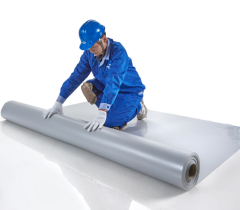
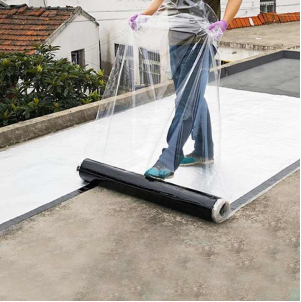
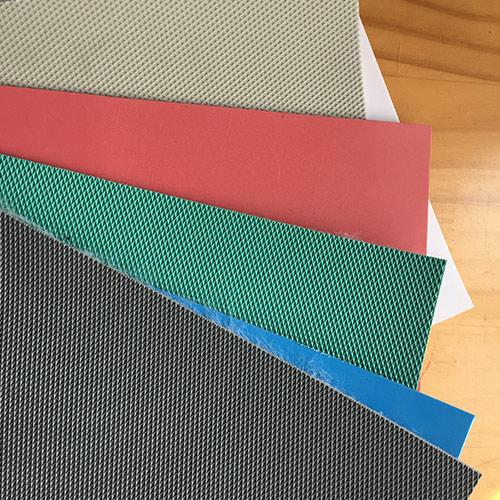
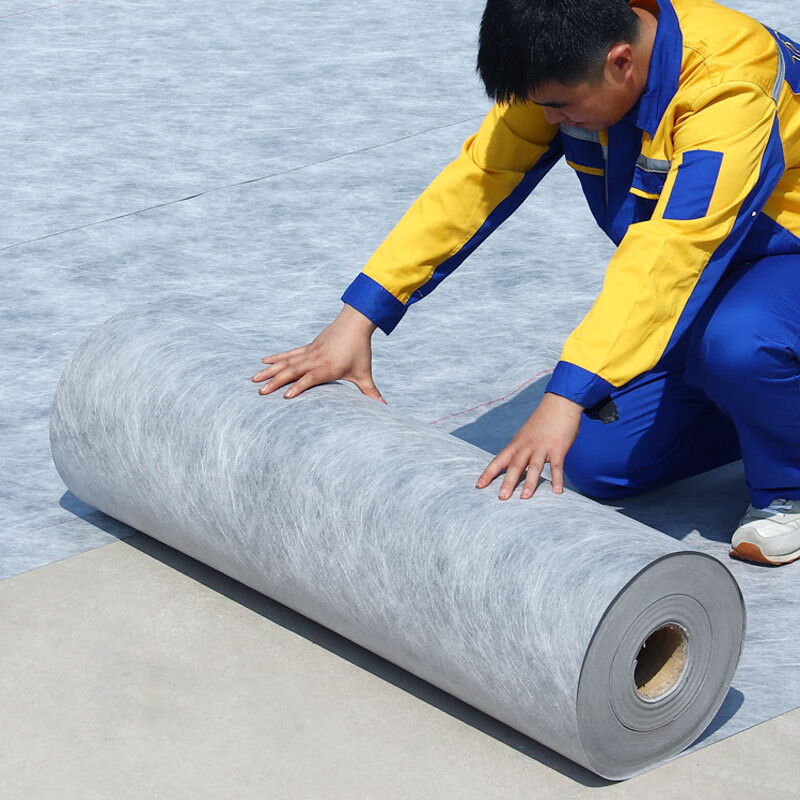
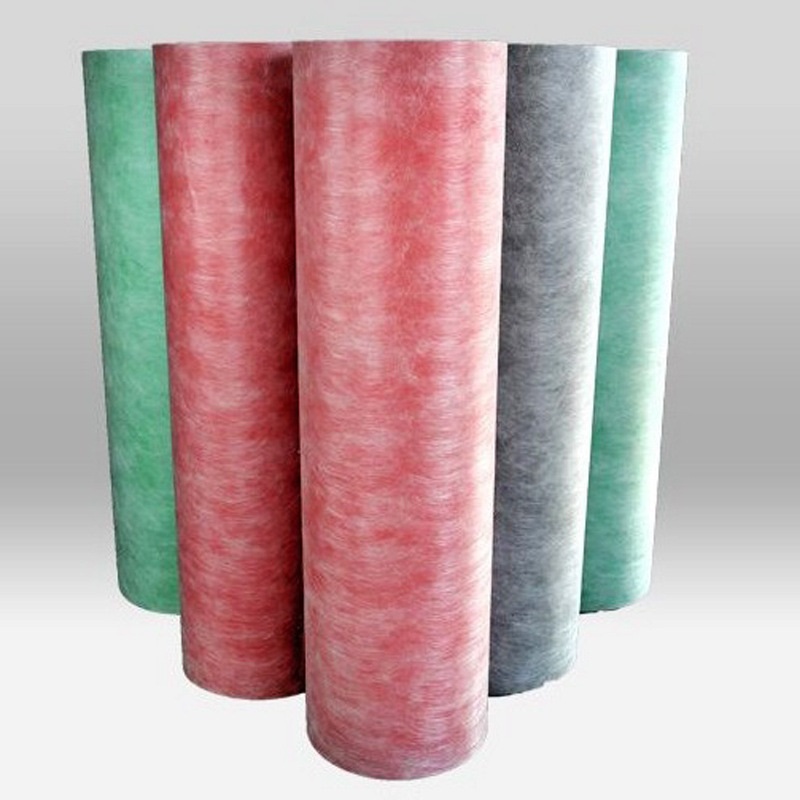
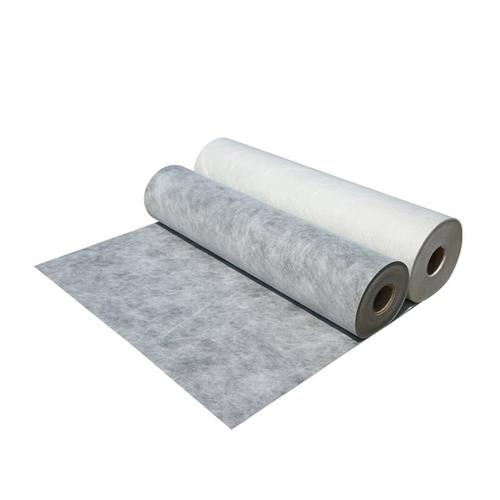
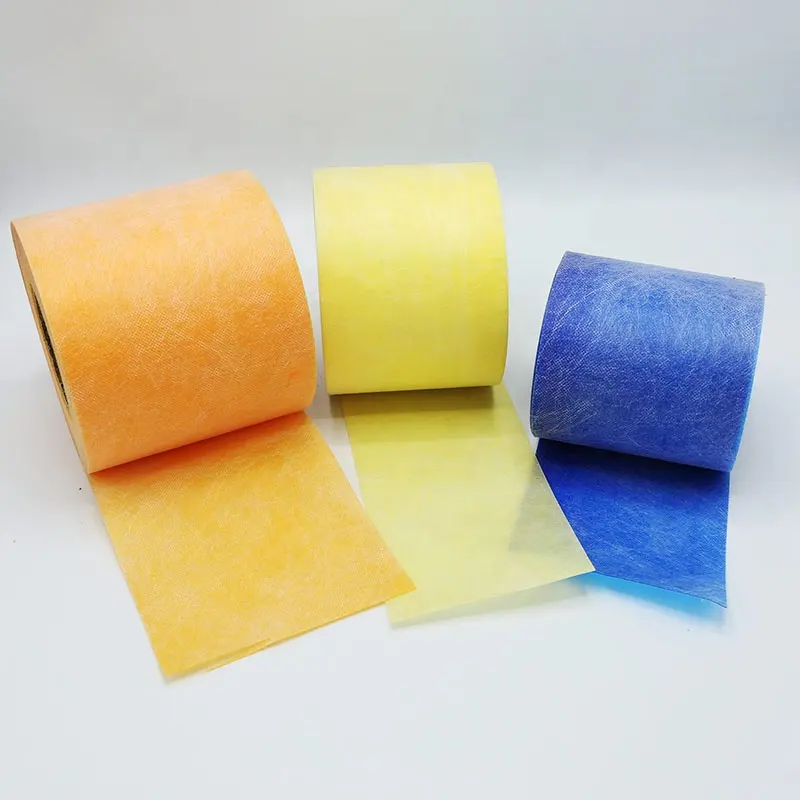
Breathable polymer membrane relies on modified polyolefin microporous polymer matrix to deliver selective vapor‑liquid separation. Independent lab testing shows it maintains stable performance within‑36 °C‑116 °C, resisting aging from UV radiation. Practical project statistics indicate it cuts building‑cavity condensation risk by 25 %, well‑suited for timber‑frame, metal‑structure and energy‑saving building enclosure construction worldwide.
Get A Quote

Case Study

Energy‑Saving Passive House Building Envelope Project

A passive‑house demonstration project adopted breathable polymer membrane for roof and exterior wall barrier layers. Optimized polymer matrix keeps steady vapor transmission rate under long‑term temperature fluctuation. It preserves insulation‑layer dryness and supports the building’s low‑energy‑consumption design goals for high‑standard eco‑residential construction requirements.

Timber‑Frame Multi‑Family Housing Community Project

A large timber‑frame residential community deployed breathable polymer membrane behind exterior cladding panels. Flexible polymer substrate adapts minor timber structural deformation. It exhausts trapped cavity moisture and blocks wind‑driven rain penetration, effectively preventing timber component mildew and decay for batches of wood‑framed residential building units.

Mountain Area Tourist Hotel Metal‑Roof Project

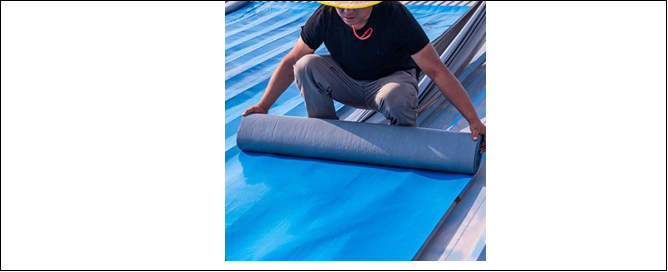
A mountain tourist hotel selected breathable polymer membrane beneath metal roof panels. Enhanced anti‑aging polymer formulation adapts heavy dew and large day‑night temperature swings in mountainous regions. It mitigates inner‑surface condensation corrosion of metal sheets and lowers periodic roof‑maintenance costs for tourist hospitality building facilities.

Related products

Weifang Luyang breathable polymer membrane is manufactured within our 10,000 ㎡ factory with six advanced production lines, adopting modified polyolefin microporous polymer compounding and hot‑press composite lamination craft. Rigorous lab examinations verify vapor‑permeability, hydrostatic‑resistance and anti‑aging indicators. Our product holds ISO and CE certification and supports UV‑enhanced customization. We supply sample assessment, construction technical guidance and global shipment, having cooperated with over 50,000 worldwide construction‑industry clients.

Frequently Asked Questions

What core performance does breathable polymer membrane possess?

Its modified polymer matrix blocks liquid rainwater while discharging water‑vapor, resisting temperature variation and UV exposure for building‑envelope moisture management.
It applies to passive houses, timber‑frame residences and mountain‑area metal‑roof tourist hotel enclosure barrier‑layer construction work.
Base grades contain anti‑UV additives; enhanced‑UV customized versions can handle long‑term intense sunlight exposure for open‑air building environments.
Yes, roll width, thickness and anti‑aging enhancement treatments can be adjusted to satisfy varied local building‑code technical requirements.
We provide lab‑testable samples, laying‑operation suggestions and complete export‑related documents for international building‑project procurement partners.

Related Articles

The Future of Waterproof Membranes in Construction

18

Jun

The Future of Waterproof Membranes in Construction

Construction keeps rolling forward, and that momentum pulls builders into a bigger scramble for leak-proof, tough-water barriers. These thin but mighty jackets shield roofs and walls from hidden drips, stretch the buildings life, and trim energy bill...
View More
How SBS Waterproof Membranes Enhance Building Longevity

18

Jun

How SBS Waterproof Membranes Enhance Building Longevity

In the construction industry, the longevity and durability of buildings are paramount. One of the key components that contribute to this longevity is the use of SBS (Styrene-Butadiene-Styrene) waterproof membranes. These membranes are designed to pro...
View More
Exploring the Benefits of TPO Membranes for Roofs

18

Jun

Exploring the Benefits of TPO Membranes for Roofs

Thermoplastic Olefin (TPO) membranes have gained significant popularity in the roofing industry due to their impressive performance and numerous advantages. This blog post explores the benefits of TPO membranes for roofs, highlighting their energy ef...
View More
The Importance of Bitumen Waterproof Membranes in Infrastructure

18

Jun

The Importance of Bitumen Waterproof Membranes in Infrastructure

Bitumen waterproof membranes play a crucial role in the integrity and longevity of modern infrastructure. These membranes, made from bitumen, are widely used in various applications such as roofing, foundations, and tunnels. Their primary function is...
View More

Customer Testimonials

Glenn Ward

We adopted Luyang breathable polymer membrane for our passive‑house demonstration project. Stable polymer‑matrix performance maintains consistent vapor transmission. It keeps thermal‑insulation layers dry and helps our building satisfy strict passive‑house energy‑saving assessment standards.

Carrie Moore

This breathable polymer membrane is used for our timber‑frame residential community project. Good flexibility accommodates minor wood‑structure deformation. It effectively prevents cavity‑trapped moisture‑induced timber mildew and reduces long‑term wood‑component repair expenditures for residential buildings.

Get a Free Quote

Our representative will contact you soon.
Email
Mobile/WhatsApp
Name
Company Name
Message
0/1000
Modified Polyolefin Microporous Polymer Matrix

Modified Polyolefin Microporous Polymer Matrix

Breathable polymer membrane uses specially compounded modified polyolefin polymer as core functional layer. Precisely controlled micropores block liquid rain droplets and permit gaseous water‑vapor outward diffusion. Compared with ordinary composite materials, this polymer matrix delivers better anti‑aging performance under changing outdoor environmental conditions.
Excellent Deformation‑Tolerant Polymer Flexibility

Excellent Deformation‑Tolerant Polymer Flexibility

The flexible polymer substrate of breathable polymer membrane tolerates slight structural displacement of timber‑frame and metal‑structure buildings. It will not crack under minor substrate deformation caused by temperature change, securing continuous barrier‑layer integrity for long‑term building‑envelope service cycles.
Targeted Anti‑Aging Customization Option

Targeted Anti‑Aging Customization Option

Breathable polymer membrane supports optional UV‑resistant enhanced polymer formula customization. It adapts high‑altitude mountainous, strong‑sunlight and other harsh outdoor environments, satisfying diversified durability demands of passive houses, timber‑frame residences and tourist‑hospitality building‑engineering procurement projects globally.
WhatApp WhatApp Email Email WeChat WeChat
WeChat
FaceBook FaceBook YouTube YouTube TopTop