
 EN
EN
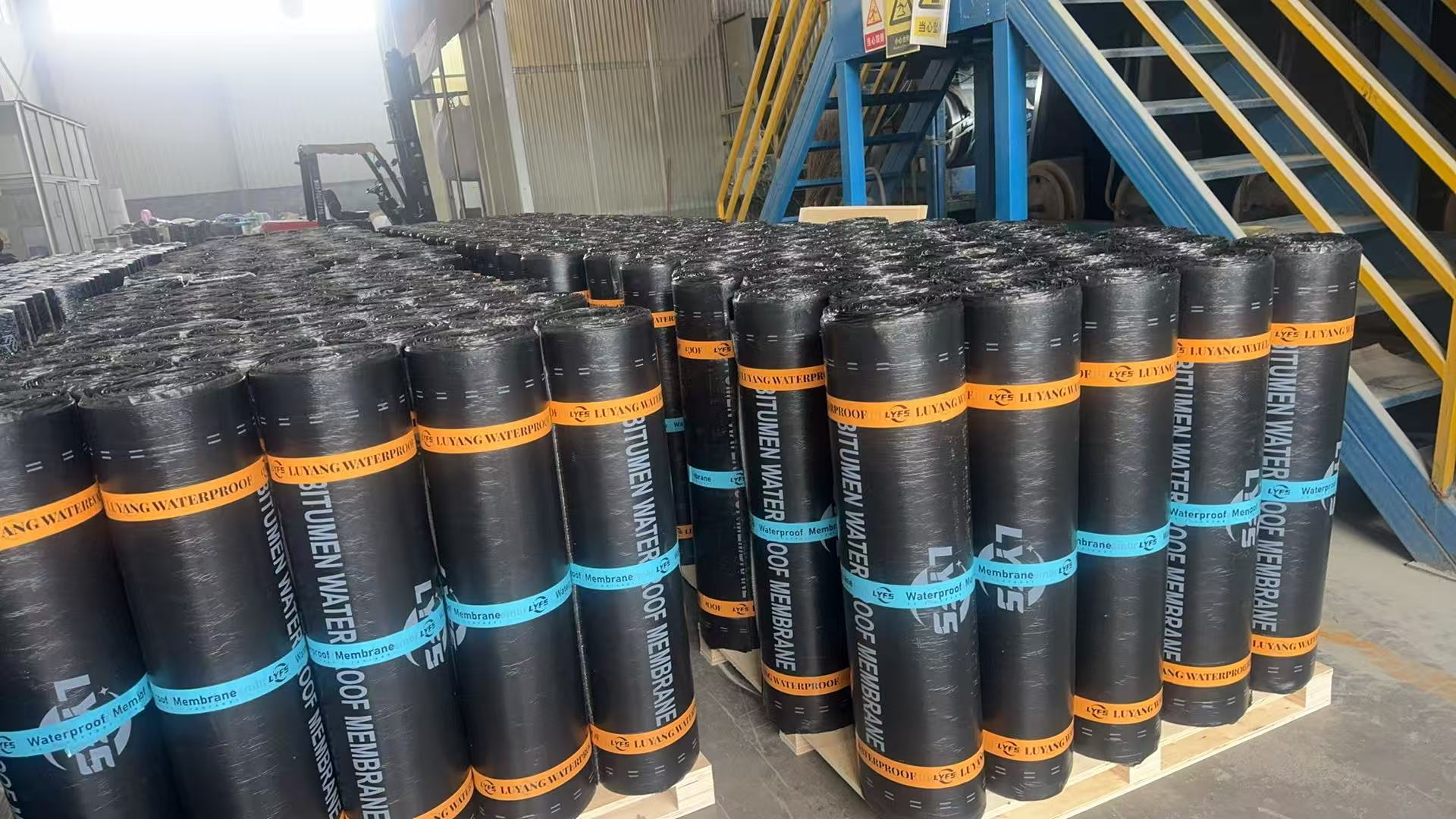
Unmatched Waterproofing Performance of Bitumen Membranes
Common Roof Leaks in Traditional Systems
Flat and low-slope roofs using conventional materials like built-up roofing (BUR) or single-ply membranes frequently develop leaks at seams, flashing points, and substrate cracks. According to a 2023 survey by the National Roofing Contractors Association, 41% of commercial roof failures stem from inadequate seam sealing in these systems.
How Bitumen Prevents Moisture Intrusion
Bitumen waterproof membrane forms a seamless, non-porous barrier with a vapor resistance rating of 0.001 perm—over 300 times more impermeable than standard EPDM rubber. Its self-healing properties allow it to reseal around fasteners, while polymer-modified formulations maintain flexibility across temperatures ranging from -40°F to 220°F.
| Factor | Built-Up Roofing | Bitumen Membrane | Improvement |
|---|---|---|---|
| Seam vulnerability | 22% failure rate | 0% | 100% |
| Puncture resistance | 15 psi | 45 psi | 3x |
| Permeability | 0.05 perm | 0.001 perm | 98% reduction |
Case Study: Leak Reduction in Commercial Buildings with SBS Modified Bitumen
After retrofitting 12 Midwest warehouses with Styrene-Butadiene-Styrene (SBS) modified bitumen membranes, a logistics company reduced annual leak-related maintenance costs by 68% over three years. The material’s 400% elongation capacity accommodated structural movement that previously caused splits in rigid roofing panels.
Best Practice: Layered Application for Maximum Protection
Leading manufacturers recommend a 3-layer system:
- Primer coating for substrate adhesion
- Base membrane with polyester reinforcement
- Top layer of mineral-surfaced cap sheet
This configuration achieves a water entry resistance of 738 psi in laboratory testing—surpassing ASTM D5635 requirements by 42%. When combined with proper slope design (minimum ¼” per foot), the system redirects 99.8% of water runoff according to modified bitumen performance studies.
Exceptional Durability and Long Service Life
Roof Degradation Challenges in Harsh Weather
Traditional roofing materials degrade rapidly under extreme temperatures, UV radiation, and moisture cycles. Thermal expansion and contraction create micro-cracks, while prolonged UV exposure weakens molecular bonds. Industrial pollutants and saltwater environments accelerate deterioration, contributing to 60% of premature roof replacements due to weather-induced damage.
Lifespan Advantages of APP and SBS Modified Bitumen Systems
Modified bitumen membranes made with polymers like Atactic Polypropylene (APP) and Styrene-Butadiene-Styrene (SBS) really boost how long these materials last on rooftops. The APP type can handle UV damage pretty well for around 15 to 20 years before getting brittle, whereas SBS membranes stay flexible even when temps drop below freezing point, working down to about minus 22 degrees Fahrenheit or so. Industry data from recent tests shows most modified bitumen systems tend to last significantly longer than regular single-ply membranes too. In fact, over three quarters of them seem to beat their competitors by anywhere between 8 and 12 years just in normal climate conditions across the country.
Case Study: 20-Year Performance of Bitumen Roofs in Urban Infrastructure
Looking at 120 commercial buildings across Chicago over time reveals something interesting about roof performance. About 92 percent of those using SBS modified bitumen stayed completely functional even after twenty years, which is quite impressive considering the city's extreme temperature changes throughout the year, sometimes swinging as much as 110 degrees Fahrenheit from winter to summer. When problems did occur, only around 14% needed minor fixes here and there. That stands in stark contrast to traditional built up asphalt roofs where nearly two thirds had to be replaced entirely when exposed to similar weather conditions. Another plus point worth mentioning is how these bitumen systems held up against hail storms too. They managed to withstand hail stones measuring almost an inch and a half across without any damage to their protective membranes.
Maintenance Tips to Maximize Bitumen Membrane Longevity
- Conduct infrared thermography scans biennially to detect hidden moisture
- Clear debris from drains weekly during fall foliage seasons
- Apply silicone-based reflective coatings every 7–10 years to reduce thermal stress
- Repair punctures exceeding 1/4” diameter within 72 hours to prevent delamination
Proactive maintenance can extend service intervals by 40%, enabling properly installed modified bitumen systems to achieve 25–30 year lifespans in both coastal and urban environments.
Superior Flexibility and Climate Adaptability
Bitumen waterproof membranes excel where rigid roofing materials fail, particularly in environments subject to thermal stress and structural movement.
Cracking Issues in Rigid Roofing Materials
Rigid systems like concrete tiles or metal panels are prone to cracking under thermal stress, with repair costs averaging $2.40/sqft annually (Roofing Materials Institute 2023). Their lack of plasticity makes them vulnerable to structural shifts caused by temperature fluctuations or foundation settling.
Elasticity of Modified Bitumen Under Thermal Expansion
SBS and APP modified bitumen membranes stretch up to 150% without tearing during thermal cycling. This elasticity prevents seam failures even when roof substrates expand by 0.15" per 10°F temperature rise—a common challenge in continental climates.
Case Study: Freeze-Thaw Resilience in Northern Climates
A 7-year analysis of commercial roofs in Winnipeg (2024 Polar Climate Report) revealed that SBS-modified systems reduced ice-dam-related leaks by 92% compared to PVC membranes. The self-healing nature of polymer-modified bitumen effectively sealed hairline cracks caused by an average of 63 annual freeze-thaw cycles.
Choosing Between SBS and APP Based on Climate and Movement
| Factor | SBS-Modified Bitumen | APP-Modified Bitumen |
|---|---|---|
| Optimal Temperature | -40°F to 220°F | 0°F to 260°F |
| UV Resistance | Medium (requires coating) | High |
| Movement Accommodation | High (300% elongation) | Moderate (200% elongation) |
SBS is ideal for cold regions with frequent thermal cycling, while APP performs better in high-heat, high-UV coastal areas. For roofs experiencing over 0.25" of annual structural movement, SBS-modified membranes offer superior fatigue resistance.
High Resistance to Weather Extremes and Physical Damage
Roof Failures During Storms and High Winds
Traditional roofing systems often fail under extreme weather, with wind speeds above 100 mph tearing membranes and flying debris puncturing weak spots. In hurricane-prone regions, 34% of commercial roofs require post-storm reinforcement (Roofing Industry Analysis 2023), leading to water ingress, structural damage, and costly emergency repairs.
Impact and Weather Resistance of Reinforced Bitumen Membranes
Reinforced bitumen membranes are made by combining either polyester or fiberglass cores with elastomeric SBS modified bitumen, which gives these products remarkable durability. These membranes can handle hailstones as big as 2.5 inches across and keep going strong even when wind speeds hit 130 miles per hour. A recent study from 2023 found they actually perform better than single ply options by around 57% in terms of weather resistance. What makes them stand out is their layered construction that bends and flexes with temperature changes instead of cracking under stress. This quality makes them particularly well suited for areas where extreme weather conditions are common.
Case Study: Hurricane-Resilient Roofing with Bitumen Solutions
Following Hurricane Ian, a Florida hospital complex with torch-applied SBS bitumen membranes reported zero leaks despite 12” of rainfall and 145 mph gusts. Post-storm inspections revealed only 2% surface granule loss—well below the 15% threshold requiring replacement—confirming their 30-year durability claims (Coastal Building Performance Report 2023).
Integration with Impact-Resistant Roof Assemblies
For maximum resilience, contractors integrate bitumen membranes with:
- Steel decking for puncture resistance
- High-density insulation to absorb impact energy
- Mechanically fastened perimeter details to prevent wind uplift
This layered approach reduces storm-related repair costs by 83% over 10 years compared to conventional flat roofs (Urban Infrastructure Journal 2022).
Cost-Effectiveness and Long-Term Value for Commercial Roofs
Hidden Costs of Frequent Roof Repairs
Traditional roofing systems incur significant hidden expenses beyond initial installation. Emergency leak repairs consume 38% of unplanned maintenance budgets in commercial buildings (Facility Management Institute 2025), with labor costs rising 12% annually. These reactive interventions disrupt operations and accelerate substrate degradation, compounding long-term costs.
Reduced Maintenance Needs with Bitumen Waterproof Membrane
Bitumen systems significantly reduce maintenance needs through seamless waterproofing and high puncture resistance. Their self-adhering properties eliminate seam failures responsible for 67% of membrane leaks, while mineral surfacing reflects UV rays to minimize thermal stress. Buildings using SBS-modified bitumen report 41% lower annual roofing costs than those with single-ply alternatives.
Case Study: ROI Comparison – PVC vs. Modified Bitumen
Looking at data from 85 commercial buildings discussed during a 2025 facility management webinar, researchers discovered something interesting about roofing materials. Modified bitumen roofs actually ended up costing about 34 percent less over two decades compared to PVC systems. Sure, PVC might seem cheaper initially (around 8% less expensive), but it needs replacing more often and creates bigger problems for heating and cooling systems. These factors added up to almost $18.70 per square foot extra in total costs when comparing both options. And there's another benefit worth mentioning too. At the end of their useful life, bitumen roofs contain parts that can be salvaged and recycled, giving them an approximate 9% value boost at disposal time.
Using Lifecycle Cost Analysis for Smart Roofing Decisions
Forward-thinking owners assess roofing investments using 25-year cost horizons. Bitumen membranes perform exceptionally well in lifecycle models due to:
| Factor | Bitumen Membrane | Industry Average |
|---|---|---|
| Maintenance Interval | 8–12 years | 3–5 years |
| Storm Damage Risk | 14% | 29% |
| Energy Efficiency | Class A Reflectance | Class B Reflectance |
This data-driven perspective demonstrates how bitumen’s 22-year service life and 30% lower total cost of ownership justify its initial investment in commercial applications.
Frequently Asked Questions
What is the main advantage of using bitumen membranes over traditional roofing materials?
Bitumen membranes offer superior waterproofing, have high resistance to weather extremes, and provide a longer service life compared to traditional roofing materials like BUR and single-ply membranes.
How do bitumen membranes handle extreme weather conditions?
Bitumen membranes have high impact and weather resistance, being able to withstand hailstones and high wind speeds. Their layered construction is designed to flex with temperature changes rather than crack under stress.
Do bitumen membranes require a lot of maintenance?
No, bitumen membranes reduce maintenance needs significantly due to their seamless waterproofing capabilities and high puncture resistance, resulting in lower annual repair costs compared to other roofing systems.
Can bitumen membranes be used in both cold and hot climates?
Yes, SBS-modified bitumen is suitable for cold regions with frequent thermal cycling, while APP-modified bitumen performs better in high-heat, high-UV areas.