 EN
EN
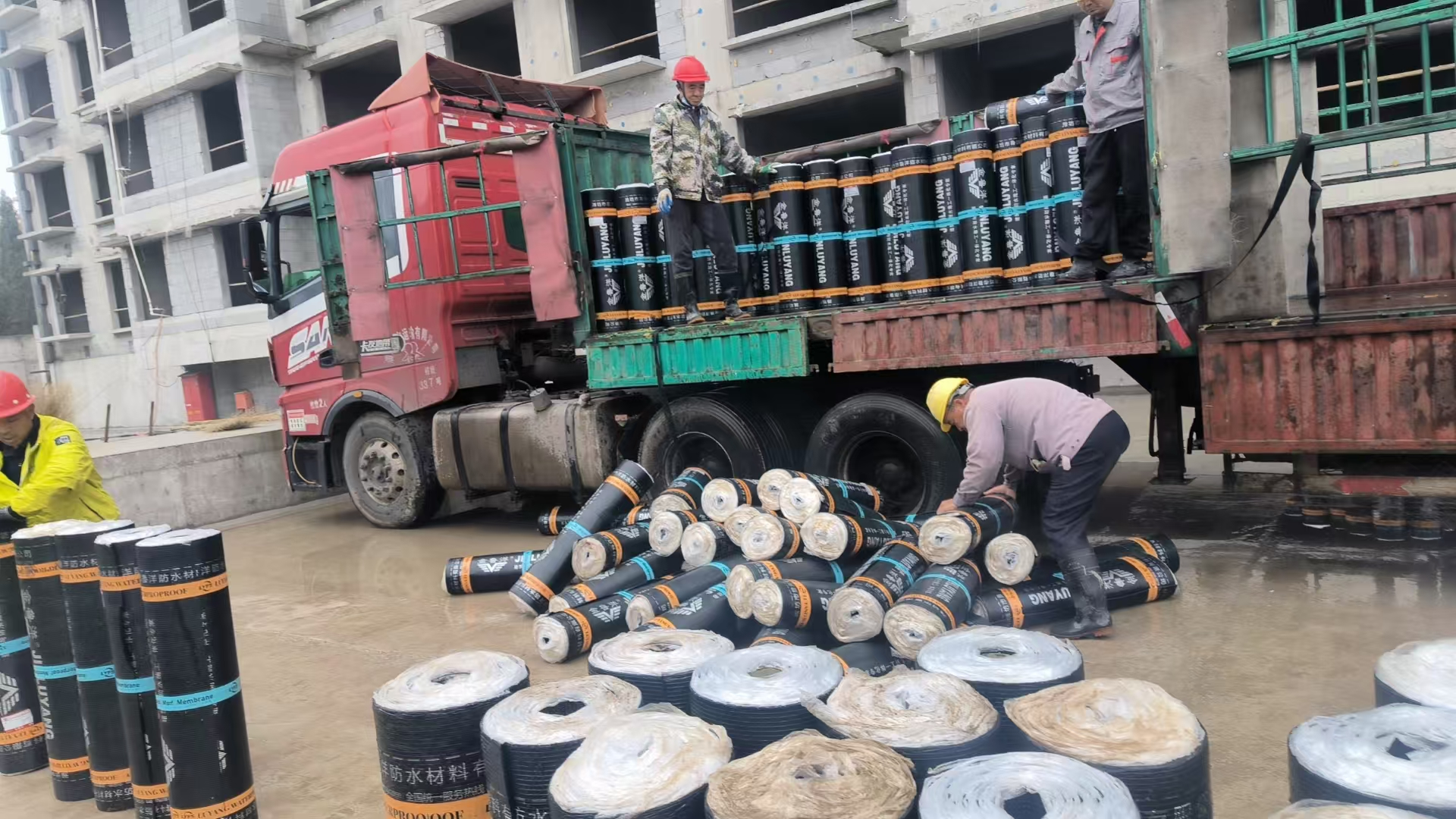
Tipi di Membrana Impermeabile: Chimica, Struttura e Profili Prestazionali
Sistemi Applicati a Foglio, Liquidi e Cementizi: Logica di Installazione e Integrazione Strutturale
Fondamentalmente esistono tre principali metodi per installare membrane impermeabili, ognuno con diverse proprietà chimiche, modalità di adesione alle superfici e integrazione nelle strutture edili. Le soluzioni a foglio applicato, come PVC, TPO o EPDM, possono essere posate rapidamente su ampie aree piane, ad esempio piazze sul tetto, anche se è assolutamente fondamentale sigillare correttamente i giunti per garantire un'assoluta tenuta all'acqua. I sistemi applicati liquidi funzionano in modo diverso. Creano strati di barriera continui che si modellano effettivamente intorno alle parti complesse dei progetti edili: tubi che passano attraverso i pavimenti, punti di drenaggio, tutti quegli angoli difficili dove le lastre tradizionali semplicemente non si adattano. Questi liquidi si trasformano in film elastici che penetrano chimicamente nei materiali porosi. Le membrane a base cementizia sono generalmente più economiche e permettono il passaggio naturale del vapore, caratteristica utile in determinate situazioni. Tuttavia, sono piuttosto rigide, quindi gli appaltatori le utilizzano di solito per pareti interne di bagni, dove non ci sono grandi movimenti strutturali e un certo rilascio di umidità è accettabile.
Per quanto riguarda l'integrazione strutturale, entrano in gioco diversi principi fisici fondamentali. Per le membrane in fogli, la superficie deve essere pulita, asciutta e dimensionalmente stabile per ottenere un'adeguata adesione meccanica o saldata a caldo. I sistemi liquidi invece funzionano in modo diverso: rimangono fissi grazie al reticolamento chimico e alle microscopiche penetrazioni nel materiale. Poi ci sono i materiali cementizi, che aderiscono formando cristalli all'interno del calcestruzzo stesso attraverso azione idraulica. La maggior parte dei contraenti non sceglie semplicemente il prodotto più economico quando prende queste decisioni. La geometria è molto importante, così come il tipo di esposizione ambientale cui sarà sottoposta la struttura, oltre a tutti i requisiti prestazionali associati alle diverse applicazioni. Il costo fa parte dell'equazione, certo, ma raramente è il fattore principale alla base delle loro scelte sul campo.
Membrane termoplastiche (PVC/TPO), Elastomeriche (EPDM), Bituminose e Membrane Ibride – Comportamento sotto Stress Reali
La composizione chimica dei materiali svolge un ruolo fondamentale nel determinarne le prestazioni quando sono esposti a calore, pressione idraulica, luce solare e forze fisiche. Prendiamo ad esempio le materie plastiche termoplastiche come PVC e TPO: questi materiali resistono bene ai danni causati dai raggi UV, possono essere saldati insieme per creare giunzioni continue e sono completamente riciclabili. Tuttavia, iniziano a creparsi e rompersi quando la temperatura scende al di sotto di meno 20 gradi Celsius. Le membrane elastiche EPDM mantengono la loro flessibilità in un'ampia gamma di temperature, da un minimo di -45 °C fino a un massimo di +120 °C. Attenzione però all'esposizione prolungata agli idrocarburi, come solventi asfaltici o carburanti versati, che alla lunga li degradano. Le membrane bituminose modificate con polimeri offrono un'ottima protezione contro le perforazioni e impediscono l'ingresso di acqua nelle installazioni sotterranee. Tuttavia, necessitano di uno strato protettivo superiore per evitare che diventino fragili sotto l'esposizione ai raggi UV. I sistemi ibridi di membrane combinano l'elasticità dei polimeri con la massa e l'aderenza del bitume, creando una valida soluzione intermedia che funziona bene durante cicli ripetuti di gelo e disgelo e in ambienti dove è presente un problema di alcalinità.
La validazione nel mondo reale deriva da test di stress standardizzati: i termoplastici resistono a oltre 500 cicli termici senza creparsi (ASTM D6878); l'EPDM mantiene un allungamento del 200% prima della rottura; le membrane bituminose resistono a una pressione idrostatica di 50 psi (ASTM D5385); e i materiali ibridi mostrano un'incidenza di crepe a freddo del 40% inferiore rispetto al bitume standard nei protocolli accelerati di gelo-disgelo.
Sopra Livello vs. Sotto Livello: come l'esposizione ai raggi UV, il carico di riempimento e le condizioni su faccia negativa influenzano la scelta della membrana impermeabilizzante
Per lavori sopra il livello del terreno, i materiali devono resistere all'esposizione ai raggi UV, sopportare variazioni di temperatura ed essere in grado di allungarsi oltre il 200% per affrontare le continue dilatazioni e contrazioni. Per questo motivo si ricorre solitamente a lastre di gomma testate secondo lo standard ASTM D5385 o a plastiche stabilizzate ai raggi UV. Al di sotto del livello del suolo la situazione è diversa. Queste installazioni sono soggette alla pressione costante dell'acqua sotterranea, all'usura provocata dalle particelle di sporco e ai carichi pesanti del materiale di riempimento. I materiali utilizzati in questi casi devono resistere a una forza di compressione di almeno 40 psi e non strapparsi facilmente. Quando si applica l'impermeabilizzazione sul lato interno asciutto delle strutture, l'adesione diventa fondamentale. Le membrane non aderiscono correttamente se iniziano a staccarsi quando l'acqua le attraversa. È quindi molto importante disporre di un'elevata resistenza all'aderenza superiore a 50 psi secondo gli standard ASTM D4541, oltre al fatto che il materiale deve funzionare bene anche quando la superficie su cui viene applicato presenta ancora una certa umidità.
Una fondazione interrata, ad esempio, subisce uno sforzo del terreno fino a 10 volte maggiore rispetto a una soletta di balcone, rendendo le membrane liquide flessibili non adatte se non completamente armate e protette. In tali casi, fogli termoplastici totalmente aderenti o membrane bituminose polimericamente modificate con pannelli di protezione integrati soddisfano sia i requisiti strutturali che quelli di durabilità.
Parametri di riferimento ASTM/ISO sulla durabilità e analisi delle modalità di rottura per categoria di membrana
Gli standard del settore forniscono parametri oggettivi per le prestazioni a lungo termine. ISO 11600 misura il mantenimento dell'adesione dopo un invecchiamento accelerato; ASTM D412 valuta il mantenimento della resistenza a trazione e all'allungamento; ASTM D5721 valuta la resistenza agli agenti atmosferici: le membrane ad alte prestazioni mantengono oltre l'85% della resistenza a trazione dopo 5.000 ore di esposizione ai raggi UV. L'analisi delle rotture rivela schemi coerenti all'interno delle famiglie di materiali:
| Tipo di Membrana | Modalità comuni di guasto | Standard ASTM/ISO critico |
|---|---|---|
| Termoplastico | Separazione dei giunti, degrado da raggi UV | ASTM D4434 (Resistenza agli agenti atmosferici) |
| Elastomerico | Incrinature da ozono, idrolisi | ISO 1431-1 (Resistenza all'ozono) |
| Bituminoso | Fessurazione a basse temperature, scivolamento | ASTM D1970 (Sollevamento da vento) |
| Di natura cementizia | Fessure da ritiro, carbonatazione | ASTM C1581 (Ritiro) |
In modo critico, il 73% delle perdite in elementi sotto livello stradale è attribuibile a una preparazione o esecuzione inadeguata dei giunti, non al fallimento del materiale (Associazione Internazionale per l'Impermeabilizzazione, 2023). Ciò sottolinea come la specifica debba includere non solo gli standard del materiale, ma anche protocolli di installazione validati.
Requisiti specifici per membrane impermeabilizzanti in base agli elementi edilizi
Coperture: Resistenza ai cicli termici, integrità dei giunti e stabilità ai raggi UV nei sistemi di membrane impermeabilizzanti
Ogni giorno, le membrane per tetti devono affrontare variazioni di temperatura estreme fino a 50 gradi Celsius, il che accelera l'usura, provoca problemi di ossidazione e porta a quei fastidiosi inconvenienti legati allo stiramento delle saldature nel tempo. I prodotti migliori oggi sul mercato combinano protezione UV con materiali che rimangono flessibili sia al caldo che al freddo. Prendiamo ad esempio TPO ed EPDM: questi polimeri mantengono la loro forma e tornano alla condizione originale dopo sollecitazioni, indipendentemente dalle condizioni atmosferiche. Nessuno vuole infiltrazioni, quindi è fondamentale eseguire correttamente le saldature. La saldatura a caldo funziona molto meglio rispetto all'incollaggio: studi indicano un miglioramento della resistenza pari a circa il 60 percento secondo lo standard ASTM D413. Anche le applicazioni per tetti verdi richiedono considerazioni specifiche. Le membrane resistenti alle radici, come l'EPDM certificato FLL, e quelle dotate di sistemi di drenaggio, durano complessivamente di più. Rivestimenti riflettenti possono ridurre la temperatura superficiale di quasi 30 gradi Celsius, contribuendo a rallentare il degrado del materiale. La maggior parte dei produttori dichiara che i propri sistemi possono durare almeno venti anni, a condizione che siano installati correttamente, seguendo tutte le linee guida e le migliori pratiche del settore.
Fondazioni, Balconi e Zone Umide: Adesione, Interfaccia di Drenaggio e Compatibilità dei Dettagli
Per le fondazioni, abbiamo bisogno di membrane in grado di resistere alla pressione idrostatica e di formare legami completi. In questo caso funzionano bene le lastre in argilla bentonitica oppure quei sistemi liquidi ad alto contenuto solido che si sigillano autonomamente attorno a tubi e altre penetrazioni, al tempo stesso ponteggiando piccole fessure nel substrato. Per quanto riguarda i balconi, un corretto drenaggio è assolutamente fondamentale. Inclinare il substrato abbinato a tappetini drenanti dotati di puntoni fa una grande differenza, riducendo l'accumulo d'acqua di oltre il 90% secondo alcune prove. Ciò riduce i rischi di danni da gelo e disgelo di circa tre quarti nelle zone più fredde. Per ambienti umidi come docce e cabine a vapore, la scelta della membrana è molto importante. Raccomandiamo opzioni resistenti ai prodotti chimici con buone proprietà di adesione, come i poliuretani aromatici. Questi aderiscono correttamente a superfici ruvide anche dopo che il calcestruzzo o l'intonaco si sono induriti, e sono compatibili con gli strati sottostanti per piastrelle senza causare problemi in seguito.
Per quanto riguarda le perdite, le aree di dettaglio sono quelle in cui iniziano la maggior parte dei problemi. Studi dimostrano che circa il 90% di tutti i guasti si verifica in punti difficili come angoli, raccordi e giunzioni tra superfici diverse. Scegliere semplicemente i prodotti giusti non è sufficiente. Abbiamo bisogno anche di tecniche adeguate di rinforzo, come raccordi più spessi, barre di terminazione e membrane speciali tra i materiali. Altrettanto importante è assicurarsi che tutto funzioni correttamente insieme ai materiali adiacenti, come strati isolanti, rivestimenti murali o piastrelle. Se questi elementi non sono perfettamente abbinati, possono sorgere problemi futuri legati a spostamenti, distacchi o punti di stress proprio in corrispondenza di tali connessioni.
Domande frequenti
Quali sono i principali tipi di membrane impermeabilizzanti?
I principali tipi di membrane impermeabilizzanti sono a foglio, liquide e cementizie. Ognuna presenta proprietà chimiche e applicazioni specifiche.
Quali fattori determinano la scelta della membrana impermeabilizzante per un progetto?
I fattori includono l'esposizione ambientale, la geometria strutturale, i requisiti prestazionali e le considerazioni sui costi.
Come si comportano le membrane termoplastiche sotto sforzo?
Le membrane termoplastiche come PVC e TPO resistono ad alti cicli termici e all'esposizione ai raggi UV, ma possono creparsi a temperature molto basse.
Perché la preparazione dei giunti è fondamentale per le installazioni sotto livello di campagna?
La maggior parte delle perdite in installazioni sotto livello di campagna è causata da una preparazione inadeguata dei giunti, non da un guasto del materiale. Una corretta preparazione contribuisce a garantire un'efficace impermeabilizzazione.
Quali considerazioni sono importanti per le membrane di copertura?
Le membrane di copertura devono resistere ai cicli termici, mantenere l'integrità dei giunti ed essere stabili ai raggi UV per assicurare prestazioni durature.
Quali sono i comuni modi di rottura delle membrane impermeabilizzanti?
I modi di rottura includono la separazione dei giunti, il degrado da raggi UV, le crepe da ozono, idrolisi e crepe da restringimento.
Indice
-
Tipi di Membrana Impermeabile: Chimica, Struttura e Profili Prestazionali
- Sistemi Applicati a Foglio, Liquidi e Cementizi: Logica di Installazione e Integrazione Strutturale
- Membrane termoplastiche (PVC/TPO), Elastomeriche (EPDM), Bituminose e Membrane Ibride – Comportamento sotto Stress Reali
- Sopra Livello vs. Sotto Livello: come l'esposizione ai raggi UV, il carico di riempimento e le condizioni su faccia negativa influenzano la scelta della membrana impermeabilizzante
- Parametri di riferimento ASTM/ISO sulla durabilità e analisi delle modalità di rottura per categoria di membrana
- Requisiti specifici per membrane impermeabilizzanti in base agli elementi edilizi
- Domande frequenti