
 EN
EN
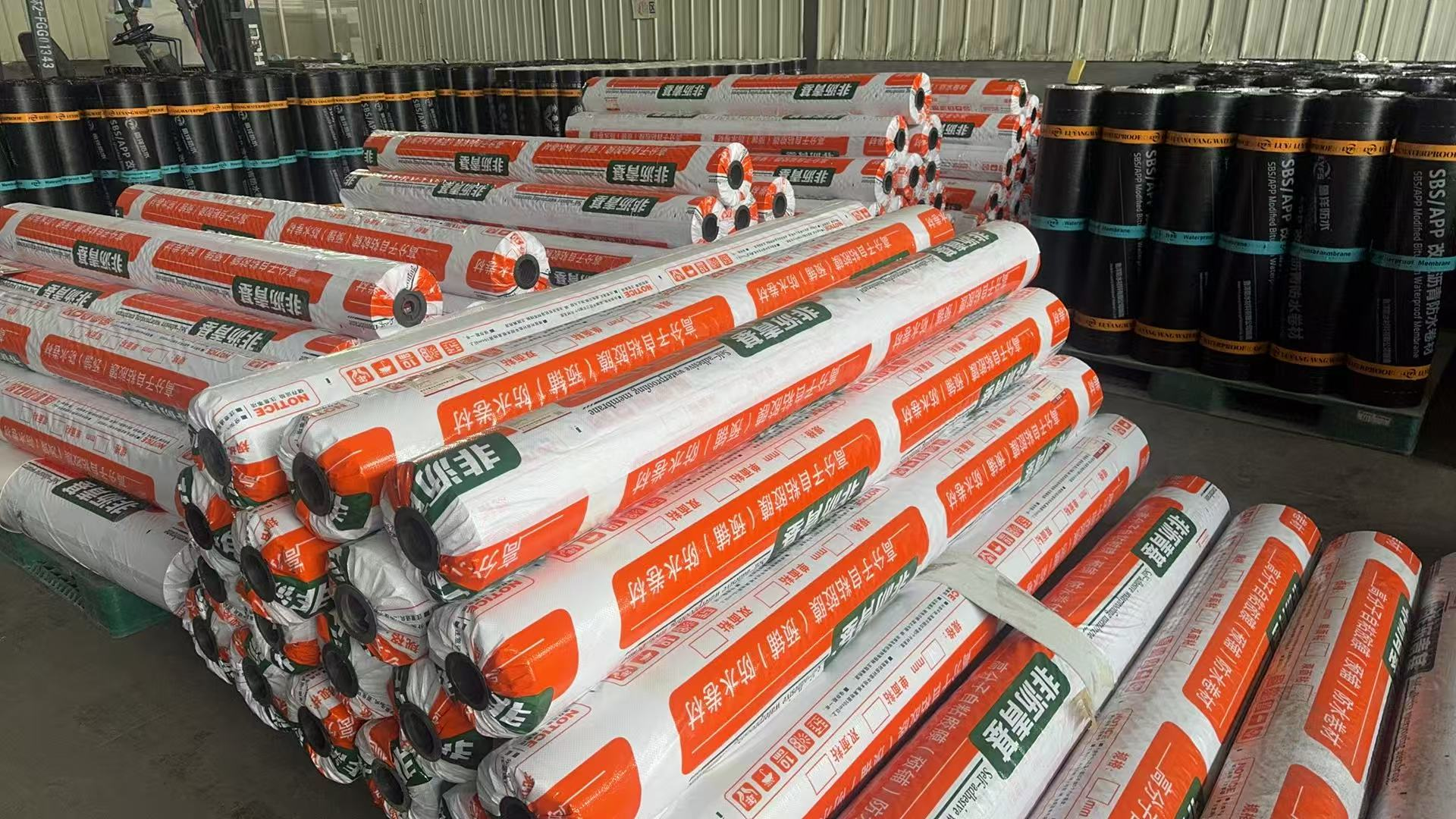
Why Premium Building Material Is the Foundation of Long-Term Waterproofing
How Material Composition Impacts Hydrostatic Resistance and UV Stability
High quality construction materials now incorporate special polymers and rubber compounds designed to stand up against water pressure and sun damage. What makes these materials work so well is their ability to form protective layers at a molecular level. They keep water out even when pressure builds up over time, yet stay flexible in extreme cold conditions as low as minus 40 degrees Fahrenheit. Plus they reflect most of the harmful UV rays that would otherwise cause materials to become brittle or crack from heat stress. The way these materials are chemically bonded also helps strike a balance between letting some water vapor escape while still blocking liquid water. This means less moisture gets trapped inside concrete structures where it can cause problems over time.
| Property | Standard Material | Premium Material | Performance Gain |
|---|---|---|---|
| Hydrostatic Resistance | ● 3 psi | ◆ 10 psi | 233% improvement |
| UV Stability Retention | 60% after 5 years | 90% after 10 years | 50% longer lifespan |
| Thermal Cycling Tolerance | 25 cycles (ASTM C1262) | 75+ cycles (ASTM C1262) | 3× durability |
Certifications, Testing Standards, and Real-World Performance Data for Premium Building Material
Getting third party validation isn't just nice to have it's absolutely essential these days. Materials that meet standards like EN 1504-2 for waterproofing mortars and ASTM D5893 for cyclic UV condensation testing have been proven time after time to last much longer in real world conditions. Look at field studies across tropical regions where these materials are still performing well after three decades on site, which beats the usual lifespan of around 8 to 12 years seen with products that haven't gone through proper certification processes. According to research from the International Concrete Repair Institute, buildings using certified systems see about 78% fewer problems with freeze thaw damage over time. When lab tests simulate what happens after 25 years of weather exposure, the best quality products maintain over 95% of their original flexibility. This means joints stay intact even when buildings settle slightly or expand and contract due to temperature changes throughout the seasons.
Selecting the Right Premium Building Material by Application and Exposure
Roofing, Below-Grade, and Balcony Systems: Matching Premium Building Material to Structural Demands
Choosing the right materials needs to match what the structure actually requires functionally. For roofing systems, we're talking about materials that can handle impacts from hail stones and regular foot traffic, plus stand up to years of UV exposure without breaking down. When working below grade level, the materials have to resist water pressure from groundwater that builds up over many years, ensuring the foundation stays intact beneath them. Balcony installations call for flexible membranes that move with temperature changes but still keep those crucial drainage areas properly sealed. Inverted roofs need something strong enough to hold ballast materials, typically looking for at least 700 kPa compression strength. Green roofs present another challenge altogether, needing special formulas that stop roots from penetrating through, as specified by standards like DIN 4062. At the end of the day, how well these systems perform over time depends heavily on factors like material thickness, how good the seams are between sections, and whether everything works together properly with components such as flashing details and transition zones between different parts of the building envelope.
Climate-Specific Considerations: Freeze-Thaw Cycles, Humidity, and Thermal Expansion
The environment plays a big role in what materials get specified for construction projects, going well beyond just keeping water out. For areas that experience at least 100 freeze-thaw cycles each year, materials need to meet ASTM C666 standards showing less than 15% expansion after 300 cycles. Elastomeric membranes tend to perform better than rigid alternatives in these conditions. When dealing with high humidity environments, it's crucial to specify vapor permeable membranes rated above 1,500 grams per square meter per 24 hours to stop moisture from building up between layers. Coastal construction presents another challenge altogether. Salt spray can really eat away at materials over time, which is why many specifiers go with zinc rich primers or polymer modified bitumen coatings that cut down on corrosion by around 80% in salty air. Thermal expansion matters too. Concrete expands and contracts with temperature changes at rates between 10 and 14 micrometers per meter per Kelvin. Membranes installed on concrete surfaces need to handle at least 2% movement without coming loose from the substrate.
Installation Excellence: Maximizing the Lifespan of Premium Building Material
Substrate Readiness, Seam Integrity, and Adhesion Protocols Unique to High-Performance Materials
Getting the surface right is absolutely critical for success. The base material needs to be free from dirt, completely dry, and structurally stable before any work begins. When dealing with areas below ground level, we need to check moisture levels first through hydrostatic pressure tests. The target here is under 2% moisture content prior to applying anything. For high performance materials, special attention goes to the seams. Reinforcing lap joints with butyl tape or using liquid applied membranes helps stop water from moving sideways through gaps. Different materials have different sticking requirements. Elastomeric coatings need their primers cured within about four hours when temperatures are between 50 and 90 degrees Fahrenheit (roughly 10 to 32 Celsius). Thermoplastic membranes tell a different story altogether they require heat welding at around 572 degrees Fahrenheit (300 Celsius) for proper bonding. Getting these details wrong can lead to layers peeling apart later on. According to recent industry research, about 63 percent of all commercial waterproofing problems come down to poor adhesion issues. Building Envelope Council reported this finding back in 2023.
When to Engage Certified Applicators – Avoiding Costly Failures in Premium Building Material Deployment
When dealing with complex installations, it really pays off to bring in certified pros, particularly around tricky spots like expansion joints, penetrations, and those pesky sloped surfaces. According to the International Institute of Building Enclosure Consultants from 2023, about three quarters of all warranty claims come down to mistakes made right there. These certified folks know their stuff when it comes to local conditions too. They get how humidity affects epoxy curing times and what temperatures work best for installing membranes properly. Plus they follow standards like ASTM E2357 to keep seams intact. For anything bigger than 10,000 square feet or projects needing multiple layers, hiring experts isn't just smart it's practically essential. Fixing botched jobs costs businesses an average of $740k in structural damage according to Ponemon Institute research last year.
Sustaining Performance: Maintenance, Monitoring, and Lifecycle Management
Regular maintenance turns high quality building materials into something much more than just installed surfaces. When we check buildings every three months, we can spot problems long before they become serious issues like stressed membranes, tired seams, or shifting substrates. Thermal imaging scans are also really helpful for finding moisture problems hiding behind walls before anyone even notices water damage. Keeping track of all these fixes in one central database helps us see how different factors affect performance over time, whether it's exposure to sunlight or repeated freezing and thawing cycles. Studies show that when facilities managers use data driven approaches to predict needed repairs, they typically get around 35 to 40 percent longer life out of their building components. The main stages in this process usually involve:
- Preventive upkeep: Re-sealing joints and repairing minor abrasions before they compromise system continuity
- Performance benchmarking: Tracking drainage rates and moisture readings against installation baselines
- Renewal planning: Budgeting for targeted replacements using material fatigue metrics–not arbitrary schedules
This disciplined, data-informed approach maximizes ROI while ensuring waterproofing reliability across decades.
FAQ
What are the benefits of using premium building materials for waterproofing?
Premium building materials provide hydrostatic resistance, UV stability retention, and increased thermal cycling tolerance. They are engineered to form molecular-level protective layers, remain flexible in exteme temperatures, and allow vapor escape while blocking liquid water.
Why are certifications important for building materials?
Certifications like EN 1504-2 and ASTM D5893 guarantee that materials have been rigorously tested for durability under real-world conditions, leading to fewer long-term issues such as freeze-thaw damage and extended performance life.
How does one choose the right premium material based on specific applications?
Selection involves matching materials to functional requirements, such as UV resistance for roofing, water pressure resistance below grade, and root penetration barriers for green roofs.
What role does climate play in material specification for construction?
Climate impacts material choice significantly. In freeze-thaw cycles, materials must meet specific standards and in humid environments, vapor permeable membranes are crucial. Coastal constructions require anti-corrosive coatings.
Why is professional installation important for high-performance materials?
Professional installation by certified applicators ensures proper adhesion, seam integrity, and minimizes risks of costly failures. Certified experts understand local conditions and adhere to industry standards, ensuring long-term performance.
Table of Contents
- Why Premium Building Material Is the Foundation of Long-Term Waterproofing
- Selecting the Right Premium Building Material by Application and Exposure
- Installation Excellence: Maximizing the Lifespan of Premium Building Material
- Sustaining Performance: Maintenance, Monitoring, and Lifecycle Management
- FAQ