
 EN
EN
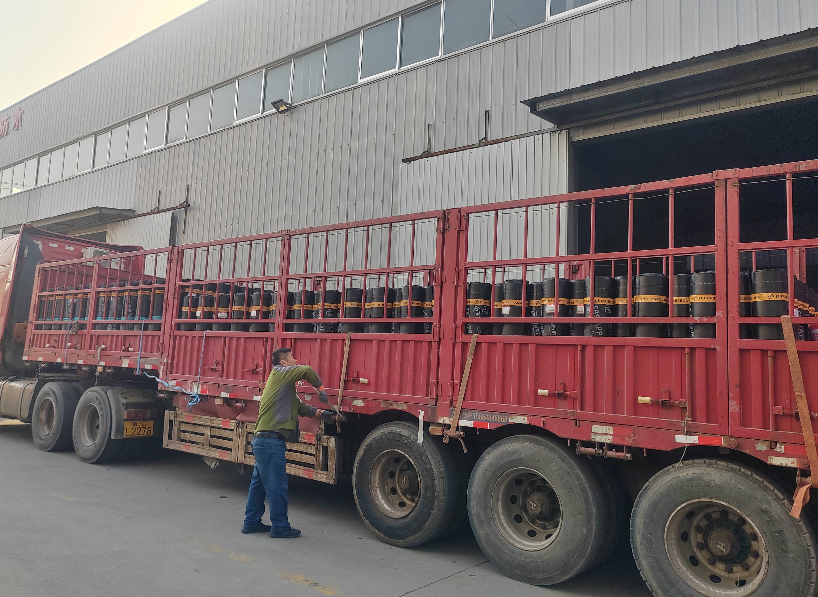
Polymer Modification: The Foundation of Performance in Bitumen Waterproof Membrane
SBS vs APP: How Polymer Type Dictates Flexibility, UV Resistance, and Temperature Adaptability
The introduction of SBS (styrene-butadiene-styrene) and APP (atactic polypropylene) polymers into bitumen waterproof membranes has really changed the game for construction professionals. Take SBS first it gives these materials a rubbery flexibility that works even when temperatures drop to minus 25 degrees Celsius. That makes them particularly good choices for structures like bridges and multi-level parking garages where freeze-thaw cycles are common problems. On the other hand, APP creates this special thermoplastic structure that stands up well against UV damage from sunlight and stays stable until around 130 degrees Celsius, which explains why we see it so much on rooftops that get direct sun exposure. Lab tests show that SBS modified products can stretch more than three times their original length to handle building movements, whereas APP versions maintain their shape despite strong solar heating. Getting this right matters a lot though. When specifiers pick the wrong polymer for the job site conditions, things go wrong fast. SBS starts breaking down after long periods in the sun, while APP gets too stiff and cracks when winter temperatures dip below freezing point.
Why Balanced SBS Formulation—Not Just Higher Polymer Content—Ensures Long-Term Elasticity and Aging Resistance
Just throwing more SBS into the mix won't make things last longer if it isn't spread out evenly throughout the material and properly linked together. When these components don't integrate well, they tend to separate from each other over time, which really hurts how well the product performs in the long run. High quality products focus on getting that SBS mixed thoroughly into the bitumen base so it forms a solid elastic structure capable of surviving thousands upon thousands of temperature changes between minus thirty degrees Celsius and eighty degrees Celsius without developing tiny cracks. The way these materials are structured gives them about twenty five years worth of protection against aging thanks to several important factors working together.
- Consistent stress distribution, eliminating localized weak points
- Self-healing capability, enabling automatic sealing of minor punctures
- Oxidation barriers, significantly slowing bitumen hardening
Laboratory simulations show these engineered systems retain 90% of initial tensile strength after decades—outperforming high-polymer-only alternatives by 40% in accelerated weathering tests per ASTM D5147 and EN 1109 protocols.
Reinforcement Technology: How Base Materials Define Strength and Stability in Bitumen Waterproof Membrane
Polyester vs Fiberglass: Tensile Strength, Tear Resistance, and Dimensional Stability Under Real-World Stress
What happens when a bitumen waterproof membrane faces mechanical stress or temperature changes? The answer lies in its reinforcement carrier material. Polyester stands out with impressive tensile strength ranging from around 700 to 900 Newtons per 5 centimeters, plus good elongation at about 40-50%. This makes polyester particularly well suited for areas where movement occurs regularly like parking garages or building expansion joints. Fiberglass tells a different story altogether. While it maintains excellent dimensional stability with minimal elongation under 2%, and handles heat remarkably well, it sacrifices some flexibility in the process. These differences between materials matter a lot in practice because they determine which products work best in specific construction scenarios across the industry.
| Property | Polyester Reinforcement | Fiberglass Reinforcement |
|---|---|---|
| Tensile Strength | 700–900 N/5cm | 300–500 N/5cm |
| Elongation | 40–50% | 1–2% |
| Tear Resistance | High | Moderate |
| Thermal Cycling | Good | Excellent |
| Best Application | High-movement substrates | Static structures |
Composite Reinforcements: Enhancing Puncture Resistance and Compatibility with Dynamic Substrates
Composite reinforcements made from layered polyester and fiberglass offer a good mix of strength, flexibility and stability that works well for many applications. These materials can boost puncture resistance around 35% compared to standard single material options, all while keeping elongation rates between about 15% to 25%. The layered structure really shines when dealing with tricky surfaces that aren't flat or stable. Think about green roofs where plant roots might push through or building foundations that settle differently over seasons. The multiple layers help spread out stress so cracks don't form as easily when temperatures change or after repeated freezing and thawing cycles.
Validated Performance Metrics: What Proves a Bitumen Waterproof Membrane Is Truly Premium
Water Resistance, Elongation, and Self-Healing: Benchmarks That Reflect Real-World Reliability
Premium performance isn't just claimed but actually verified through standard testing procedures. The best bitumen waterproofing membranes block water with around 99.6% efficiency when exposed to continuous water pressure, which means no worries about leaks at the seams anymore. These materials can stretch over 40%, so they handle all sorts of building movements quite well whether it's foundation settling into the ground or roof materials expanding when heated by sunlight. What really stands out though is their ability to heal themselves. Field tests have shown these membranes can fix small holes measuring between 1 to 2 millimeters within just a few hours. This self repair capability stops water getting inside without anyone needing to do anything about it, making maintenance much simpler for building owners and contractors alike.
Service Life Validation: 15–30-Year Durability Confirmed Across Freeze-Thaw, UV, and Thermal Cycling Environments
Third-party accelerated aging tests simulate decades of environmental exposure to verify longevity. Premium membranes meet or exceed rigorous international benchmarks:
| Stress Test | Standard | Performance Threshold | Real-World Impact |
|---|---|---|---|
| Freeze-Thaw Cycling | EN 1109 | 500+ cycles | Prevents cold-climate cracking |
| UV Resistance | ASTM G154 | 3,000+ hours | Retains flexibility in sunlight |
| Thermal Movement | ASTM D5147 | ±50°C tolerance | Resists warping on hot roofs |
This multi-stress validation—conducted by accredited labs including BAM Bundesanstalt für Materialforschung und -prüfung and UL Solutions—confirms a verified service life of 15–30 years in extreme climates, far surpassing standard membranes’ typical 5–10 year functional lifespan.
FAQ Section
What is the main difference between SBS and APP polymers in bitumen membranes?
SBS provides rubbery flexibility even in low temperatures, making it suitable for areas with frequent freeze-thaw cycles. APP, however, offers thermoplastic properties that resist UV damage and remain stable in high temperatures, ideal for sunny rooftops.
Why is balanced SBS formulation essential?
A balanced mix ensures the polymer is distributed evenly, forming a durable and elastic structure. This balance aids in longevity by preventing separation and enhancing resilience to temperature changes.
What role do polyester and fiberglass play in reinforcement?
Polyester offers excellent tensile strength and flexibility, suitable for movement-heavy areas, while fiberglass provides dimensional stability and heat resistance, making it fit for static structures.
How do composite reinforcements benefit waterproof membranes?
Composite reinforcements blend polyester and fiberglass for strength, flexibility, and optimal puncture resistance, ideal for dynamic substrates like green roofs.
What ensures the premium status of a bitumen waterproof membrane?
Premium membranes demonstrate verified performance through testing, showing high water resistance, elongation capacity, self-healing properties, and durability across freeze-thaw, UV, and thermal conditions.
Table of Contents
- Polymer Modification: The Foundation of Performance in Bitumen Waterproof Membrane
- Reinforcement Technology: How Base Materials Define Strength and Stability in Bitumen Waterproof Membrane
- Validated Performance Metrics: What Proves a Bitumen Waterproof Membrane Is Truly Premium
-
FAQ Section
- What is the main difference between SBS and APP polymers in bitumen membranes?
- Why is balanced SBS formulation essential?
- What role do polyester and fiberglass play in reinforcement?
- How do composite reinforcements benefit waterproof membranes?
- What ensures the premium status of a bitumen waterproof membrane?