
 EN
EN
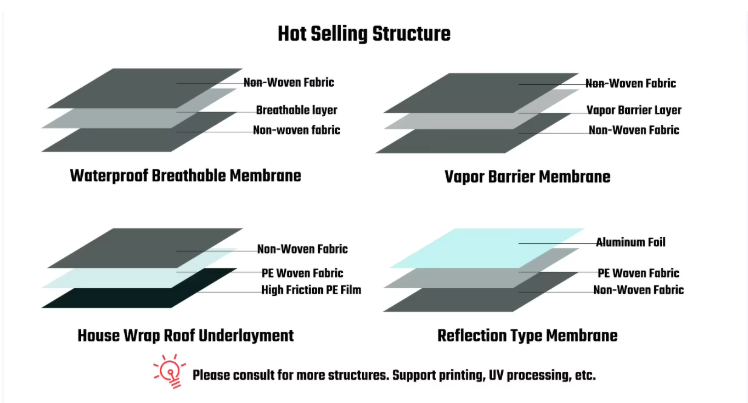
Decoding IP Ratings for Reliable Waterproof Material Selection
Understanding IEC 60529 IP Codes: What IP67, IP68, and IP69K Really Mean for Field Use
The IEC 60529 standard basically measures how well something protects against stuff getting inside from the environment. The second number in these ratings (which goes from 0 to 9K) tells us specifically about resistance to liquids, something really important when products are actually used out there in the field. Take IP67 for instance. This rating means the device can handle being underwater temporarily, about a meter deep for half an hour. That makes sense for places where flooding might happen occasionally or areas that get damp now and then. Then we have IP68 which is different because it allows for longer periods underwater at whatever depth the manufacturer specifies. These kinds of specs work great for things like underwater pipes or equipment sitting in water all day long. And finally there's IP69K designed for super tough situations. It stands up to powerful water jets at pressures between 80 and 100 bar while temperatures reach up to 80 degrees Celsius. No wonder this rating is so popular in industries like food production where cleaning requires harsh conditions, or pharmaceutical manufacturing where sterility matters a lot, plus anywhere else where industrial washdowns are part of regular operations.
| IP Rating | Water Protection Level | Field Application Examples |
|---|---|---|
| IP67 | Temporary immersion | Flood zones, temporary installations |
| IP68 | Continuous immersion | Marine infrastructure, underwater utilities |
| IP69K | High-pressure steam jets | Industrial plants, food processing facilities |
While lab tests follow strict protocols, field performance hinges on material flexibility, seam integrity, thermal stability, and long-term adhesion—factors not fully captured in static certification.
Bridging the Gap: Why Lab-Certified Ratings Don’t Always Predict Real-World Waterproof Material Performance
IP ratings from lab tests show how products perform in controlled environments over short periods, but they don't account for all the wear and tear that happens during real world usage. According to research published in Materials Durability Journal last year, saltwater actually causes seals to break down about 47 percent quicker than what standard freshwater tests would indicate. When equipment gets exposed to freezing temperatures followed by thawing cycles, tiny cracks start forming in rigid materials. Meanwhile, prolonged sun exposure makes plastic sealants brittle over time. And let's not forget about the vibrations experienced during long sea voyages which can weaken adhesive bonds in ways that simply aren't visible during regular certification processes. Given these limitations, relying solely on IP compliance isn't enough. Manufacturers should combine rating information with actual field testing. Look at accelerated aging experiments, check out any field data suppliers might share, and consider getting independent assessments of how well installations hold up over time.
Evaluating Global Suppliers of Waterproof Material
Verifying Track Record, Regional References, and Cross-Border Compliance Experience
When choosing suppliers, look at their track record in similar environments to where the equipment will be deployed. Coastal areas, arctic conditions, deserts, and urban industrial sites all require different approaches to waterproofing validation. Don't settle for generic success stories either ask for actual case studies from those specific regions. Check international compliance certificates like CE, UL, or GB through proper third party audits instead of relying on what companies claim themselves. In high risk locations, make sure they meet local regulations too. For example, SMISSA certification is needed in Southeast Asia, EN 12056 applies to EU drainage systems, and Australia/New Zealand requires AS/NZS 3500 standards. Always compare what suppliers say against real feedback from clients who have operated under similar climate and regulation conditions. This helps uncover any hidden issues that might affect performance down the road.
Assessing Production Capacity, Scalability, and On-Time Delivery Across International Logistics Chains
Evaluate production capability using real-time metrics—not theoretical capacity. Strong suppliers demonstrate:
- Buffer inventory covering 15–30% demand volatility
- Multi-port shipping options, including air-sea hybrid routing to mitigate port congestion or geopolitical disruption
- Localized quality control hubs, co-located near major project sites to reduce inspection delays
Getting clear about where raw materials come from isn't something companies can ignore anymore. The problem with relying too much on just one type of resin? According to Supply Chain Digest from last year, this causes around 74% of all delays when it comes to waterproof materials in the supply chain. When dealing with customs issues, businesses need good backup plans written down somewhere. Think about splitting shipments into smaller batches or setting up temporary storage areas at warehouses before final delivery. And for really big projects, monthly checks on production capacity make sense. These should cover things like how well molds are maintained, whether staff numbers can scale up or down as needed, and tracking quality control results over months instead of just looking at them once in a while.
Matching Waterproof Material to Local Environmental Demands
Freeze-Thaw Cycles, Coastal Humidity, UV Exposure, and Pollutant Resistance: Site-Specific Durability Criteria
Most generic waterproofing solutions just can't handle what Mother Nature throws at them in specific locations. Take cold climates for instance. Elastomeric membranes stay flexible even when temps drop to minus 40 degrees Fahrenheit, so they don't crack from all that expanding and contracting as temperatures fluctuate. For coastal construction projects, salt spray is a major concern. Polysulfide sealants actually work better than regular polyurethanes because they stop those annoying crystal formations that eat away at seals over time. Now consider places with intense sunlight like deserts or areas near the equator. Acrylic modified bitumen coatings bounce back around 90 percent of UV rays, which means these materials last roughly twice as long compared to traditional options on the market today. And let's not forget about cities and factories dealing with acid rain and pollution in the air. Standard calcium based waterproofing products start breaking down after about five years when exposed to acids, but special formulations containing silica fumes keep performing well for over two decades despite harsh conditions.
Essential site-specific evaluation criteria include:
- Thermal endurance: Confirm cyclic freeze-thaw test reports per ASTM C666
- Humidity tolerance: Prioritize vapor-permeable membranes (>35 perms) in tropical climates to prevent interstitial condensation
- Photostability: Require UV-resistance validation per ISO 4892-3
- Chemical inertness: Validate resistance to locally prevalent pollutants (e.g., SOâ‚‚, NOâ‚“, chloride ions) via ASTM D543 or equivalent
Field studies show regionally optimized materials deliver up to 200% greater durability than generic alternatives—especially where multiple stressors converge, such as coastal freeze-thaw zones exposed to roadway de-icing salts.
Validating Certifications and Real-World Performance Data
Lab certifications give us a starting point, but what happens when these materials face real world conditions over time? The truth is performance often falls apart under prolonged environmental stress. Getting third party validation through standard tests like ASTM D7862 for water resistance still matters a lot. Recent construction industry reports from 2024 showed about 37 percent more failures occurred where builders used non-certified waterproofing materials. Even products that pass all the lab tests tend to break down quicker in actual field situations. We've seen materials that made it through accelerated aging experiments in labs actually fall apart around 2.3 times faster in hot humid climates than anyone expected during testing phases.
Therefore, supplement certifications with empirical evidence:
- Long-term exposure reports from independent research institutions (e.g., NIST, BRE, CSIRO)
- Maintenance logs documenting degradation patterns after five or more years in service
- Failure analysis documentation, especially for recurring issues like edge delamination or hydrolytic breakdown
The $740k average cost of unplanned material replacement in infrastructure projects (Ponemon Institute, 2023) underscores the ROI of dual-validation—rigorous certification plus transparent, context-relevant performance history. Prioritize vendors who openly share both datasets, not just compliance paperwork.
Frequently Asked Questions (FAQ)
What does "IP" stand for in IP ratings?
"IP" stands for "Ingress Protection," which is a standard used to define levels of sealing effectiveness of electrical enclosures against intrusion from moisture and dust.
How is IP67 different from IP68?
IP67 rating indicates that a device can survive temporary immersion up to 1 meter deep for 30 minutes, while IP68 implies continuous immersion at a depth specified by the manufacturer.
Can IP69K rated equipment withstand steam cleaning?
Yes, IP69K rating indicates that the equipment can resist high-pressure steam jets, making it suitable for environments that require stringent cleaning protocols.
Why should manufacturers assess waterproof materials beyond lab certifications?
Lab certifications do not account for real-world environmental stressors such as saltwater exposure, temperature fluctuations, and UV rays, which may affect the longevity and performance of materials.
How can businesses verify a supplier’s credibility?
By reviewing their track record in similar environmental conditions, international compliance certificates, and sourcing genuine client feedback from projects under similar climates and regulatory standards.