
 EN
EN
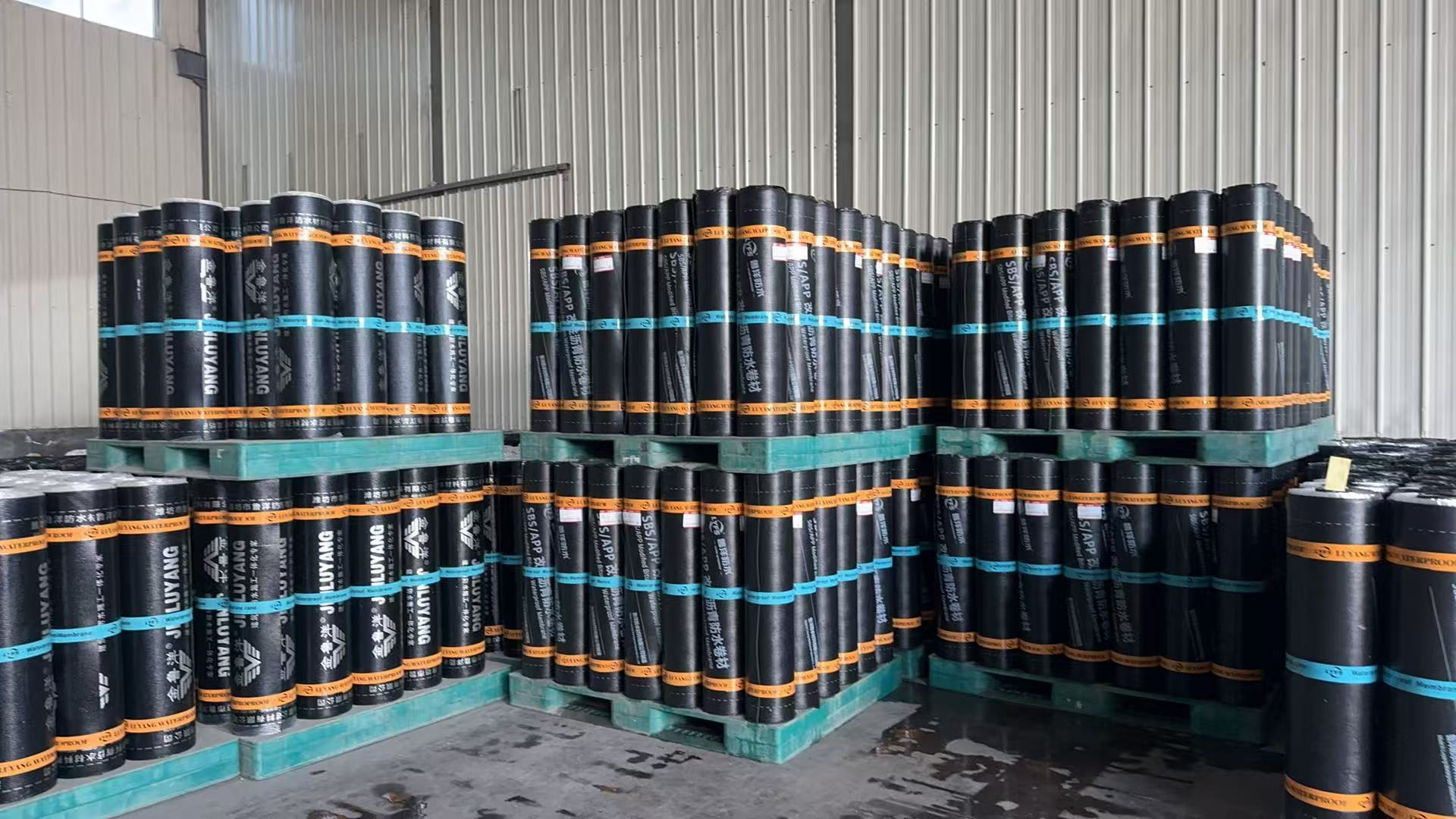
Lower Embodied Energy and Extended Service Life
Reduced manufacturing energy compared to polymer-based membranes
Waterproof membranes made from bitumen actually take far less energy to manufacture compared to those synthetic options such as PVC or TPO materials. The reason? Bitumen comes from asphalt which itself is just what's left over after petroleum gets refined. This means manufacturers don't need to go through that whole complicated high temperature process that makes plastic sheets. According to various industry studies looking at entire product lifecycles, making bitumen membranes uses somewhere around 35 to maybe even 40 percent less energy per square meter when compared against similar polymer products. And this difference matters because it leads to much smaller carbon footprints too. We're talking about roughly 2.8 kilograms of CO2 emitted per square meter for bitumen versus nearly double that amount at 4.6 kg for standard PVC membranes.
Durability exceeding 25 years minimizes resource-intensive replacements
Bitumen waterproof membranes of good quality tend to last well over 25 years, easily outlasting most polymer alternatives that generally need replacing somewhere between 15 to 20 years down the line. The longer life span means less wear and tear on our planet since we don't have to keep extracting raw materials, producing new products, shipping them around, and installing them again and again at construction sites. When looking at what happens throughout a building's entire existence, putting in just one bitumen membrane system could save one or maybe even two complete roof replacements. Construction research suggests this cuts down on both carbon emissions tied to materials and all the waste generated during these processes by about 60%. Plus, there are fewer trucks coming and going for maintenance work, so local air quality stays better too.
Innovations Enhancing Sustainability of Bitumen Waterproof Membrane
Bio-modified formulations (e.g., tall oil, lignin) lowering fossil dependency
The latest generation of bio modified bitumen membranes now incorporates renewable materials such as tall oil from wood processing and lignin found in plant cell walls. These natural additives can actually substitute around 30 percent of the traditional petroleum based ingredients without any noticeable drop in quality. What makes this innovation stand out is how these plant derived components keep all the important characteristics we need flexible enough for different conditions, resistant to harsh weather, and strong enough to handle stress tests at least 50 Newtons per 50 millimeters. Plus there's a significant environmental benefit too manufacturers report cutting down carbon emissions during production by roughly 18 percent compared to conventional methods. For the construction industry looking to cut costs while meeting sustainability targets, this represents a major step forward toward greener building practices that still deliver reliable results on site.
Cold-applied systems eliminating VOC emissions and on-site thermal energy use
Bitumen membranes applied cold rely on pressure sensitive adhesive tech that works at normal temperatures, so no need for those open flame torches or hot kettle setups anymore. Switching to this method basically gets rid of VOC emissions altogether and slashes fuel usage on site by something like 90 percent when compared to older techniques. According to field reports, these systems stop about five tons worth of carbon dioxide from entering the atmosphere for every ten thousand square feet covered. Plus workers face fewer risks during installation since there's no fire hazard involved. The stuff sticks better too, which means quicker setup times even when conditions aren't ideal like in colder weather or places where heat could cause problems.
Life Cycle Assessment: How Bitumen Waterproof Membrane Compares Environmentally
Peer-reviewed LCA data: Bitumen vs. PVC, TPO, and EPDM in flat roofing
When looking at peer reviewed life cycle assessments, bitumen waterproof membranes tend to come out ahead when it comes to environmental impact for flat roofs. Research indicates these systems produce around 15 to 22 percent less global warming potential compared to PVC options because they require less energy during manufacturing processes. Looking at performance over about 25 years, bitumen membranes actually need about 30 percent less energy for building heating and cooling needs than those single ply alternatives we see so often now, such as TPO or EPDM. A big study from Europe back in 2022 basically backed up what many suspected already about bitumen's benefits regarding resource depletion. They found that bitumen causes about 18 percent less strain on mineral resources compared to those synthetic membrane types. What really stands out though is what happens at the end of their useful life. Modern recycling plants can reclaim over half of old bitumen material, while polymer membranes just don't hold up well thermally, making them harder to recycle effectively. All told, there's pretty strong support for bitumen being the greener choice throughout its entire lifecycle in commercial roofing applications.
FAQ
What is embodied energy in waterproof membranes?
Embodied energy refers to the total energy used during the production of waterproof membranes, from raw material extraction to manufacturing.
How does bitumen's lifespan compare to synthetic membranes?
Bitumen waterproof membranes typically last over 25 years, while synthetic ones generally need replacements every 15-20 years.
What are bio-modified bitumen membranes?
Bio-modified bitumen membranes incorporate natural materials like tall oil and lignin to reduce reliance on fossil fuels.
How do cold-applied bitumen systems benefit the environment?
Cold-applied systems eliminate VOC emissions and significantly reduce energy use, cutting down carbon footprint during installation.
What is the environmental advantage of bitumen membranes according to life cycle assessments?
Life cycle assessments indicate bitumen has a lower global warming potential and less strain on mineral resources compared to synthetic membranes.
Table of Contents
- Lower Embodied Energy and Extended Service Life
- Innovations Enhancing Sustainability of Bitumen Waterproof Membrane
- Life Cycle Assessment: How Bitumen Waterproof Membrane Compares Environmentally
-
FAQ
- What is embodied energy in waterproof membranes?
- How does bitumen's lifespan compare to synthetic membranes?
- What are bio-modified bitumen membranes?
- How do cold-applied bitumen systems benefit the environment?
- What is the environmental advantage of bitumen membranes according to life cycle assessments?