
 EN
EN
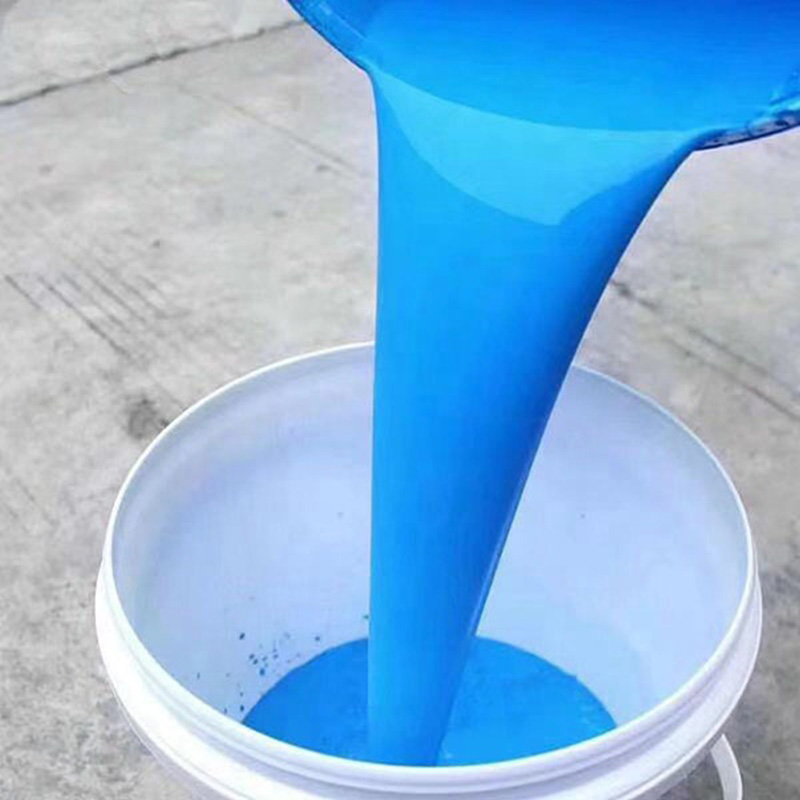
Choosing the Right Waterproof Coating for Long-Term Performance
Matching Waterproof Coating Technology to Substrate and Environmental Exposure
Picking the right waterproof coating is all about matching it properly to what surface we're dealing with and the environment around it, otherwise things tend to fail way too soon. For concrete bases, look for something that can handle high alkalinity since concrete tends to be pretty harsh on coatings. Metal surfaces are different though they work better with coatings that stop rust from forming. When temperatures go up and down repeatedly, the coating needs to flex without breaking apart. Near the coast? Salt air will eat through most materials unless we get something specifically designed against salt spray damage. Industrial areas throw another challenge into the mix because of all those chemicals floating around, so polymer-based coatings that resist chemicals make sense there. And if something sits out in direct sunlight for long periods, UV stability becomes super important. According to a recent study published last year, almost seven out of ten coating problems actually come down to just not getting the right match between the surface and where it's installed.
| Stress Factor | Critical Coating Property | High-Risk Omission Consequence |
|---|---|---|
| Freeze-Thaw Cycling | Elastic recovery ≥90% | Microcrack formation (≤2 years) |
| Chemical Exposure | Polymer cross-link density | Surface erosion (6–18 months) |
| Standing Water | Hydrostatic pressure resistance | Adhesive failure at seams |
Polyurea vs. Polyurethane vs. Cementitious: Durability, Flexibility, and Lifecycle Value
When it comes to handling tough conditions, polyurea coatings really stand out. They cure super fast, sometimes within seconds, and can stretch up to 98% which helps bridge cracks. That makes these coatings great choices for places like parking decks and rooftops where durability matters most. Polyurethane options offer good protection against UV damage and wear without costing as much money, although they do take longer to set properly. Cement based coatings work well on the outside surfaces of underground concrete structures, but they aren't very flexible at all. These rigid coatings won't work so well on surfaces that move around over time. Looking at industry data, polyurea tends to last around 20 years or more even in harsh C4 corrosion environments according to ISO standards. This means less frequent repainting compared to cement alternatives, cutting down maintenance expenses by roughly 40%. Most polyurethane products will need touching up somewhere between 10 to 15 years later, whereas those stiff cement coatings might start needing fixes as early as five years in areas where there's constant movement happening.
Surface Preparation and Priming: The Foundation of Waterproof Coating Adhesion
Critical Prep Steps: Moisture Control, Profile Depth, and Adhesion Validation
Getting good results from waterproof coatings starts with proper surface prep work. Before anything else, check if the substrate is actually dry enough. Moisture meters are essential for this job; anything over 4% relative humidity means trouble down the road with poor adhesion and those annoying blisters forming later on. Got to get rid of all sorts of dirt stuff too - oil, dust, maybe even some efflorescence left behind. Most contractors use either blasting techniques or chemical cleaners depending on what they've got available. When it comes to surface texture, concrete needs about a 2-3 mil roughness pattern so the coating can grab onto it properly. Check this with replica tape or one of those fancy profilometers if needed. Primers should go on pretty quickly after cleaning, ideally within four hours while everything's still fresh. This helps seal up those tiny pores and creates better chemical bonds between layers. Want to test how well things stick? The ASTM D4541 pull-off method works great, aiming for at least 200 psi strength on vertical surfaces. Contractors who skip any part of this process end up dealing with failed coatings way more often than they'd like to admit.
Environmental Stressors That Accelerate Waterproof Coating Degradation
UV Radiation, Thermal Cycling, and Humidity-Driven Failure Modes
The lifespan of waterproof coatings gets seriously affected by UV radiation, thermal changes, and humidity levels. When materials are exposed to ultraviolet light for extended periods, they start breaking down at the surface level. This breakdown shows up as things getting brittle, colors fading away, and that shiny finish disappearing over time. Temperature fluctuations create their own problems too. As materials expand when warm and contract when cold repeatedly throughout the day, this back and forth creates stress points where coatings begin to lose grip on surfaces and develop tiny cracks. Moisture in the air also plays a role through a process called hydrolysis which basically eats away at the chemical bonds holding everything together, resulting in bubbles forming under the coating and weaker overall bonding. These different factors tend to work against each other in practice. For instance, damage caused by sunlight actually makes it easier for moisture to penetrate the material, while those same temperature shifts speed up the cracking process once moisture has already weakened the coating. Coastal areas present an especially tough challenge because sea spray mixed with constant sun exposure can make coatings degrade around 40 percent faster than what we see inland. To fight off these issues, manufacturers need to think ahead during product development stages. Adding special ingredients like UV stabilizers along with polymers designed to resist both stretching and moisture attack goes a long way toward keeping protective coatings effective for years rather than months.
Proactive Inspection and Maintenance to Maximize Waterproof Coating Lifespan
Early Detection Methods: Visual Assessment, Pull-Testing, and Infrared Thermography
Checking things on a regular basis stops small problems from turning into big structural issues down the road. A good idea is to look things over visually at least twice a year for signs like cracks appearing on the surface, areas where paint is peeling off, or spots that have changed color. For those who want to get more precise measurements, there's also the ASTM D4541 test method which measures how well coatings stick to surfaces. If the numbers come back under 150 pounds per square inch, that usually means trouble might be coming soon. Another helpful tool is infrared thermography equipment that can spot moisture getting into places we can't see just by looking at temperature differences across painted surfaces. When all these inspection techniques are used together, they catch around 95 percent of defects before water actually gets inside. According to some recent studies from Ponemon Institute in 2023, this proactive approach cuts down repair bills anywhere between 25% and 40% when compared to waiting until something breaks and then fixing it.
Evidence-Based Reapplication Timing: Aligning Intervals with ISO 12944 Exposure Classes
The timing for recoating needs to match how harsh the environment is according to those ISO 12944 standards for corrosion protection. Places near the coast marked as C5 or industrial areas labeled C4 where there's lots of salt air or chemicals around generally need another coat somewhere between 5 and 7 years down the road. For areas that aren't quite so bad, like moderate urban spots or lighter industrial zones rated at C3, we're looking at roughly 8 to 10 years before touching up makes sense. To check if coatings are still holding up, technicians often use infrared thickness testing which gives a good idea of how much wear has happened over time. They might also do controlled pull tests to see if the coating still sticks properly to the surface. Following this kind of testing schedule actually stops problems from happening too early and makes sure money spent on maintenance goes further in the long run.
ISO 12944 Exposure Class Reference
| Class | Environment | Recoating Interval | Key Stressors |
|---|---|---|---|
| C2 | Low pollution (inland) | 12–15 years | Minimal UV, low humidity |
| C3 | Urban/industrial | 8–10 years | Moderate chemical exposure |
| C4 | Industrial/coastal | 6–8 years | High salinity, pollutants |
| C5 | Extreme marine/chemical | 5–7 years | Salt spray, acid rain |
FAQ
What factors should I consider when choosing a waterproof coating?
Consider the substrate (e.g., concrete, metal), environmental exposure (e.g., UV light, humidity, chemicals), and specific challenges like freeze-thaw cycling or salt spray damage.
How often should waterproof coatings be inspected and maintained?
Visual assessments should be conducted at least twice a year, while more detailed inspections using ASTM D4541 tests and infrared thermography can help catch issues early.
What is the difference between polyurea, polyurethane, and cementitious coatings?
Polyurea is known for quick curing and flexibility, polyurethane offers UV and wear protection at a lower cost, while cementitious coatings are rigid and suitable for underground concrete structures.