
 EN
EN
Core Waterproofing Membrane Types and Their Structural Properties
Fluid-Applied Membranes: Seamless Adhesion and Substrate Flexibility
Fluid applied membranes create continuous barriers without joints when applied through spraying, rolling, or brushing. These materials are usually made from elastic compounds such as polyurethane, acrylics, or silicones which then harden into flexible sheets that fit snugly around complicated shapes. They stretch over 300% according to ASTM D412 standards, so they can handle building movements without developing cracks. What really sets them apart is how well they stick together seamlessly. Seams cause problems after all, accounting for roughly 74% of waterproofing failures according to the International Waterproofing Association report from last year. That's why these membranes work so well on tricky surfaces like inside tanks or on green roofs where getting an even layer across uneven areas matters most. But there's a catch though. For best results, installation needs specific environmental conditions. When humidity gets above 85%, the material just won't cure properly.
Sheet-Applied Membranes: Consistency, Weldability, and Installation Speed
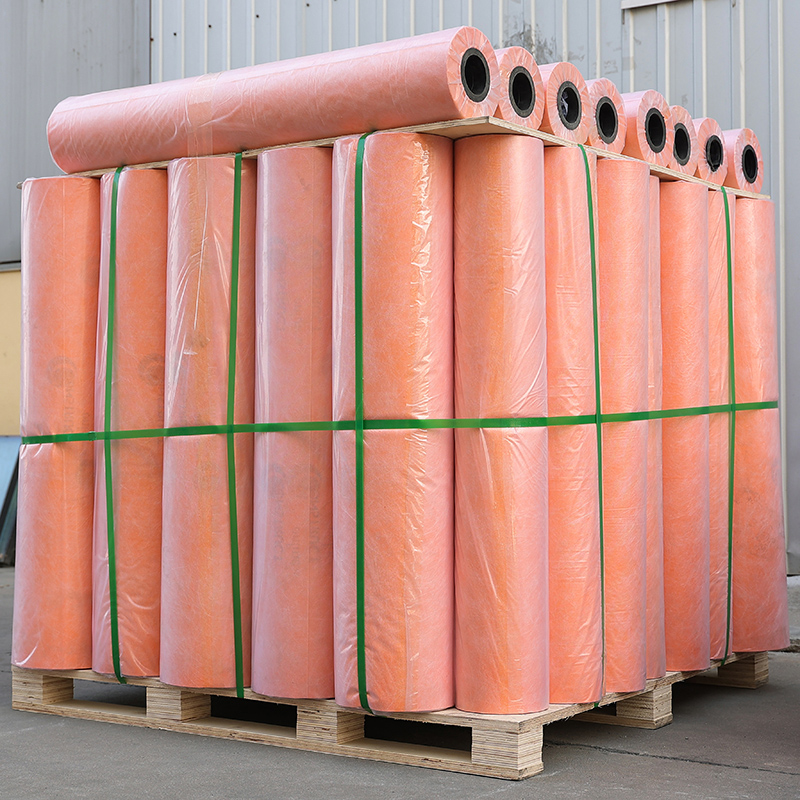
Sheet membranes made in factories provide consistent thickness, material makeup, and overall performance across installations. The market offers several options including PVC, TPO, and rubberized asphalt products, each with different strengths when it comes to resisting punctures (some can handle around 200 Newtons according to EN 12691 standards) and maintaining chemical stability over time. When installed properly, thermal welding creates seamless connections that are actually stronger than the membrane itself, which is really important for keeping water out in underground construction projects. Rolling out these sheets covers ground fast too, about 500 to 1000 square feet every hour, which beats fluid applied systems by nearly three times. Labor savings can reach approximately 30% on big flat areas like plaza decks where workers don't have to deal with complicated shapes. Still, there are some drawbacks worth mentioning. Getting good seals around pipes and other penetrations remains tricky, and wind can sometimes lift sections before they fully stick down during installation.
Hot-Applied Systems: Robust Bonding Under High-Moisture or Low-Temp Conditions
Hot applied membranes mix modified bitumen with either polyester or fiberglass reinforcement materials. These are heated to around 320 degrees Fahrenheit (about 160 Celsius) which creates strong bonds right away, even when working with damp concrete surfaces. Cold applied systems have a big problem here since studies show roughly two thirds of them don't perform well on wet surfaces according to research published by Building Envelope last year. When heated properly, the bitumen actually penetrates into those tiny cracks and pores within concrete structures, making the bond much stronger overall. Reinforced versions can handle tension forces exceeding 40 pounds per inch as tested under ASTM D751 standards. They stay flexible even at temperatures as low as minus 22 degrees Fahrenheit (or minus 30 Celsius), which makes these membranes particularly good for places where it gets really cold outside or areas that see lots of foot traffic without needing extra protective layers. On the downside though, there are some safety concerns worth mentioning. Torch application carries fire risks, and volatile organic compounds released during installation mean proper ventilation is absolutely necessary on job sites.
Critical Site Factors That Determine Waterproofing Membrane Suitability
Hydrostatic Pressure, Substrate Compatibility, and Drainage Dynamics
When selecting membranes for construction projects, three main site conditions typically come into play. First off, hydrostatic pressure from standing water means we need materials that can handle serious tension forces. The ASTM C1305 standard helps identify membranes capable of bridging cracks effectively under these conditions. Then there's the matter of what surface we're dealing with. Concrete, brickwork, and metal all react differently to coatings. Getting the right bond between membrane and substrate matters a lot - studies from Building Science Corporation back this up, showing that about two thirds of all membrane failures trace back to weak adhesion issues. Lastly, how well water drains away from the area makes a big difference too. In spots where water just sits around, membranes face constant soaking and need special properties to resist breaking down over time without losing their protective qualities.
Climate Resilience: UV Exposure, Thermal Cycling, and Freeze-Thaw Performance
The local climate has a major effect on how long materials last. Take areas with intense sunlight for example non reflective membranes tend to break down around 3 percent each year from UV exposure. When temperatures fluctuate regularly, materials need to stretch quite a bit usually at least 200 percent so they can handle all that expanding and contracting without breaking down over time. Things get even trickier in places where there's constant freezing and thawing cycles. The membranes here have to stand up against damage from water getting into tiny cracks and then expanding when it freezes. From what we've seen in actual field tests, polyurethane based systems hold up much better than other options when temps drop below freezing, staying flexible enough to work properly even when it gets as cold as minus 30 degrees Celsius.
Application-Specific Demands: Matching Membrane Performance to Building Elements
Roof Waterproofing Membrane Requirements: Traffic, Uplift, and Reflectivity
Roof membranes deal with all sorts of stresses day in and day out. Think about foot traffic from maintenance workers, heavy equipment being moved around, strong winds trying to lift sections off, plus constant sun beating down on them. When it comes to preventing punctures, especially in areas where people walk regularly, we need something tough. Reinforced fabrics work well here, or those thick elastomeric coatings that really hold up against sharp objects. Wind resistance? That's absolutely critical too. Membranes that meet ASTM E1996 standards generally handle wind pressures above 60 pounds per square foot because they have stronger seams and are properly bonded across their entire surface area. And let's not forget about keeping buildings cool. Cool roof membranes reflect at least 65% of sunlight according to DOE recommendations, which can cut down on air conditioning costs by roughly 15%. Makes sense when looking at long term savings for facility managers.
Below-Grade and Facade Applications: Chemical Resistance, Root Barrier, and Overburden Integration
Membranes installed below ground level need to handle all sorts of soil chemicals including extreme pH levels ranging from 2 to 12 plus various hydrocarbons. They also have to stand up against constant water pressure pushing down on them. Polymer modified bitumen stands out in this area because it has shown real world effectiveness against these challenges. When dealing with green roofs or other plant covered surfaces, the root barrier material needs to be something thick and resistant to biological breakdown such as HDPE plastic sheets that stop roots from getting through. If membranes are placed under things like dirt layers, paving stones, or concrete slabs, they should be able to take compression forces above 25 MPa without changing shape since this directly affects how stable foundations remain over time. For walls and exterior surfaces, good vapor transmission rates above 1.0 perms help control moisture movement behind the outer layer materials and stop problems caused by condensation forming between layers.
Total Value Assessment: Balancing Initial Cost, Lifespan, and Maintenance of Waterproofing Membrane
When picking out waterproofing membranes, people tend to focus too much on what they pay at first glance instead of looking at how much money something will save over time. Cement based coatings might seem cheap at around $5 to $10 per square meter, but these things crack pretty quickly in most situations. We've seen them last anywhere between five to ten years before needing complete replacement because of those cracks letting water in. On the flip side, better quality synthetics like EPDM rubber or polyurea coatings cost more initially, maybe up to $15 per square meter, but they stick around for decades without much trouble. Real world tests indicate that going with these longer lasting options can cut down on overall spending by almost half over their lifetime. And here's something important nobody talks about enough: fixing leaks later usually ends up costing more than simply installing something durable from day one. So when making decisions about waterproofing solutions, consider factors beyond just how long it lasts. Think about how hard it is to install properly, whether someone can get back there later if problems arise, and what kind of weather conditions the material will actually face once installed. That combination gives the best bang for buck in the long run.
FAQ
What are the main types of waterproofing membranes?
The main types include fluid-applied membranes, sheet-applied membranes, and hot-applied systems.
Why is membrane adhesion important?
Proper adhesion is crucial because weak adhesion can lead to membrane failures and reduce the effectiveness of waterproofing protection.
How does climate affect waterproofing membranes?
Climate can affect the lifespan and performance of membranes due to factors like UV exposure, temperature fluctuations, and freeze-thaw cycles.
What should be considered when choosing a waterproofing membrane?
Consider the initial cost, lifespan, suitability for environmental conditions, installation ease, and potential long-term savings.
Table of Contents
- Core Waterproofing Membrane Types and Their Structural Properties
- Critical Site Factors That Determine Waterproofing Membrane Suitability
- Application-Specific Demands: Matching Membrane Performance to Building Elements
- Total Value Assessment: Balancing Initial Cost, Lifespan, and Maintenance of Waterproofing Membrane
- FAQ