
 EN
EN
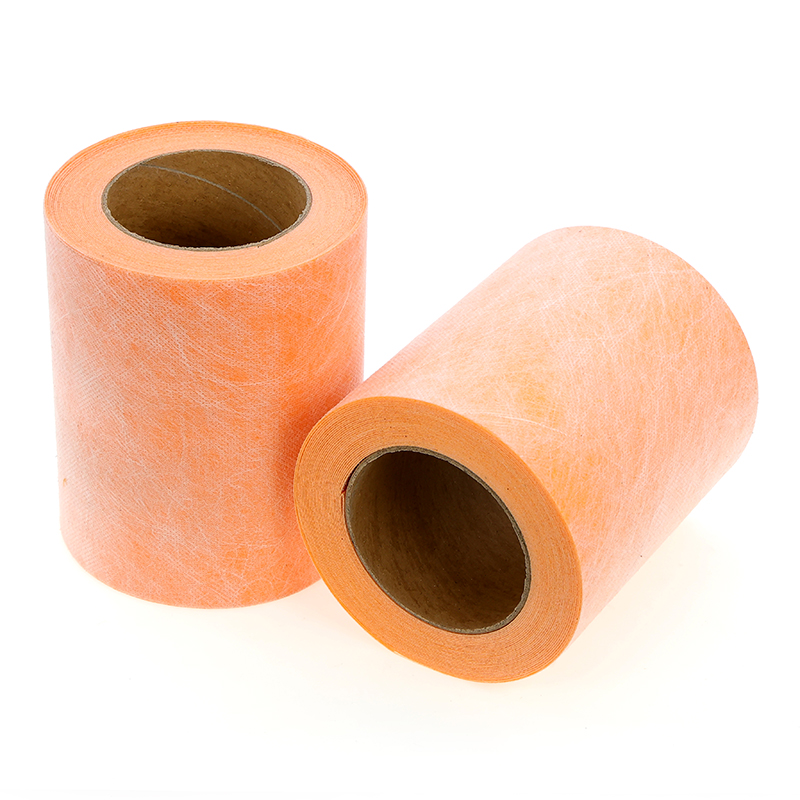
What Is a Waterproof Membrane and How Does It Work?
Waterproof membranes are special materials designed to stop liquid water from passing through while still holding up structurally. These thin barriers come in different forms such as sheets, spray applications, or liquid coatings. They work mainly because of how water behaves naturally – basically, the tiny pores in the membrane are too small for water droplets to get through when surface tension and pressure differences come into play. Found commonly on things like basement walls, rooftops, and even outdoor gear, good quality membranes can actually fill in small cracks over time and move with whatever surface they're applied to without losing their protective qualities. That makes them pretty essential for keeping buildings dry and equipment functioning properly in wet conditions.
Key functional benefits include:
- Structural Protection: Halting water infiltration prevents corrosion, concrete spalling, and wood rot—extending the service life of buildings and equipment.
- Environmental Defense: High-performance variants resist UV degradation, thermal cycling, and chemical exposure.
- Health Safeguarding: Effective moisture control inhibits mold and mildew growth, supporting healthier indoor air quality.
Critically, advanced membranes balance impermeability with breathability—allowing water vapor (e.g., sweat) to escape while repelling liquid water. This dual functionality hinges on precise installation, seamless seam sealing, and compatibility with underlying substrates.
Key Types of Waterproof Membranes and Their Material Properties
Polyurethane (PU) and Thermoplastic Polyurethane (TPU) Membranes
Polyurethane (PU) membranes create flexible, seamless barriers either through liquid application methods or by installing them as sheets. These materials belong to the elastomer family and can stretch quite a bit - sometimes up to 400% their original size - without tearing apart. That makes them really good for tricky shapes and areas where regular materials might fail, like complicated roof edges or connections between building foundations. When we talk about thermoplastic polyurethanes (TPU), these take things even further with better resistance against wear and tear plus they stand up well against oils and various industrial chemicals. No wonder many manufacturers prefer TPU when creating protective equipment for harsh conditions. Standard PU membranes generally last around 10 to 15 years before needing replacement, but TPU versions have been shown to hold out for about 20 years in tough environments according to extensive testing over time. Even though PU and TPU work well in both construction projects and clothing manufacturing, getting the right formulation often depends on local weather conditions. Extreme temperatures can affect how these materials perform, so adjustments are necessary depending on where they'll actually be used.
ePTFE-Based Membranes (e.g., Gore-Tex®)
The Expanded Polytetrafluoroethylene or ePTFE membranes work because they have these tiny holes in them, about 0.2 to 10 microns big, which stop liquid water from getting through but let water vapor pass right on by. The waterproof rating is actually pretty impressive, going beyond 28,000 mm of water pressure before leaking occurs. And when it comes to how breathable these materials are, we're talking around 15,000 grams per square meter over 24 hours for moisture vapor transmission rate. What makes ePTFE really special though is that it naturally repels water, so those little holes don't get blocked up even after prolonged exposure to wet conditions. Initially created back in the day for stuff like raincoats and hiking gear, this material has since found new life in all sorts of places thanks to its ability to handle body fluids without breaking down and maintain integrity at temperatures as high as 260 degrees Celsius. Medical devices and industrial filters now benefit from these properties too. Of course there's a catch here - making ePTFE is complicated and expensive business. But companies keep finding ways around this problem, sometimes incorporating recycled materials into production processes while still keeping that essential performance intact.
Critical Performance Metrics for Waterproof Membranes
Water Column Rating (mm Hâ‚‚O) and Hydrostatic Head Testing
Water column ratings, measured in millimeters of water pressure (mm H2O), serve as the primary way to measure how waterproof something actually is. These ratings come from tests like ISO 811 and ASTM D3393, where they check exactly when water starts getting through the material. For everyday stuff, anything over 1,500 mm works fine against light rain. If we're talking about serious weather conditions or dealing with snow buildup, then membranes rated between 10,000 to 20,000 mm are what's needed. Industrial foundations typically go even higher, sometimes beyond 30,000 mm, because they need to hold up against constant groundwater pressure. The best quality membranes can handle pressures equal to about a 20 meter water column. This kind of performance makes all the difference in places where water damage would be catastrophic.
Moisture Vapor Transmission Rate (MVTR) and Breathability Trade-offs
The Moisture Vapor Transmission Rate or MVTR, measured in grams per square meter over 24 hours (g/m²/24h), basically tells us how well a fabric lets sweat escape. When MVTR gets high around 15,000 g/m²/24h, people stay comfortable during workouts, though their gear might not keep water out as well. On the flip side, membranes designed to be super waterproof (rated above 20,000 mm H2O) usually have much lower MVTR values below 5,000 g/m²/24h because they pack molecules tighter together. Finding the right balance matters a lot depending on what the product needs to do. Most outdoor clothing aims for MVTR between 8,000 and 12,000 to strike that sweet spot between staying dry and feeling good. Industrial workwear takes a different approach, focusing almost entirely on keeping water out even if it means less breathability. Recent developments in materials science have created PFAS-free options that hit about 10,000 g/m²/24h MVTR while still holding up against water, marking real progress for sustainable manufacturing practices.
Selecting the Right Waterproof Membrane for Your Application
Outdoor Apparel vs. Industrial Protective Gear
The performance requirements vary quite a bit across different industries. When it comes to outdoor clothing, breathability is key with moisture vapor transmission rates above 15 thousand grams per square meter over 24 hours, plus the fabric needs to move with the body during physical activity. Industrial workwear tells a different story entirely though. These garments must stand up to chemicals, resist wear and tear, and maintain integrity under extreme temperatures. Take firefighters for instance. Their gear needs to handle exposure to hydrocarbons something regular ePTFE materials just cant cut it for which explains why many manufacturers turn to thermoplastic polyurethane instead. Some recent tests actually found that industrial fabrics need about three times as much protection against abrasion compared to what's needed for hiking clothes. Makes sense when you think about how harsh those working environments can be.
Sustainability Considerations and PFAS-Free Alternatives
The pressure from regulations combined with consumers becoming more aware of environmental issues is pushing companies toward making waterproof membranes without PFAS chemicals. Even though many products still use C8-based DWR treatments (around 68% of what's on store shelves), concerns about how these substances stick around in the environment and build up in living organisms have led brands to look for better options. Take polyether-based PU membranes as an example they can handle water pressure equivalent to standing under 20 meters deep ocean without relying on harmful fluorocarbons. Some top manufacturers have started using at least half recycled materials from industrial waste streams, which cuts down on overall emissions throughout the product's life cycle something Textile Exchange found reduces emissions by roughly a third in their latest report. What really matters for sustainability though? How long stuff lasts. When someone keeps wearing their waterproof jacket for five years instead of just two, that actually accounts for about seven tenths of the entire carbon cost of producing that jacket.
FAQ
What are waterproof membranes?
Waterproof membranes are materials designed to prevent water penetration while maintaining structural integrity. They come in forms like sheets, sprays, and coatings.
Why are waterproof membranes important?
They prevent water infiltration, which extends the life of buildings and equipment, resists environmental degradation, and prevents mold growth.
What types of waterproof membranes exist?
Various types include Polyurethane (PU), Thermoplastic Polyurethane (TPU), and Expanded Polytetrafluoroethylene (ePTFE) based membranes.
How do water column ratings work?
This measurement tests a material's waterproof capability by determining the pressure it can withstand before leaking.
How does breathability relate to waterproof membranes?
Breathability, represented by MVTR, measures how well a membrane allows moisture vapor to escape, balancing comfort and waterproofing.