 EN
EN
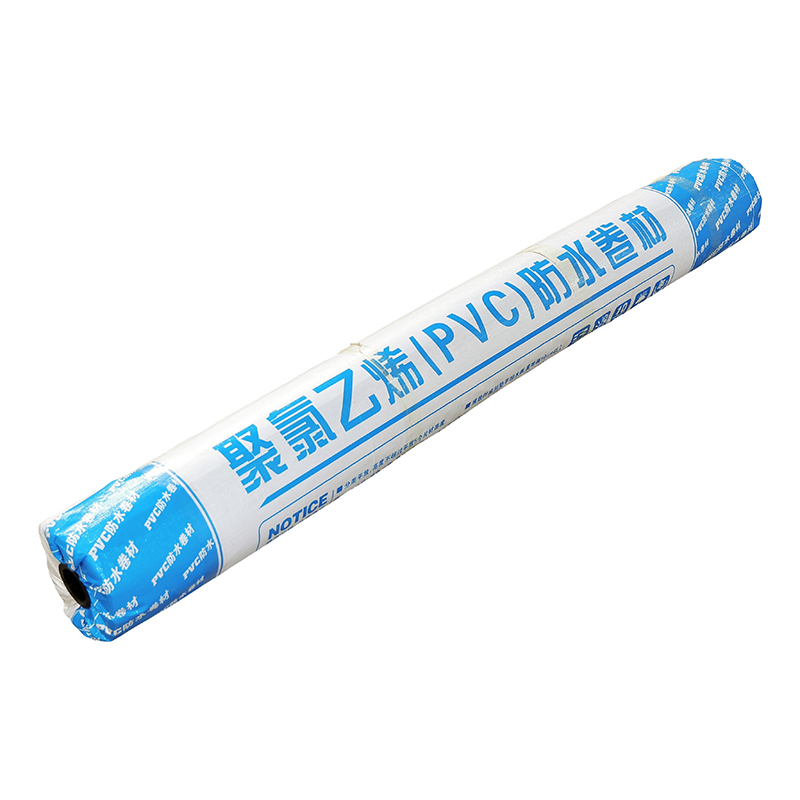
Exceptional Durability and All-Climate Resilience
PVC membrane delivers industry-leading resilience in commercial roofing, with a verified 25–30-year service life across punishing environmental conditions. Unlike traditional materials, it maintains structural integrity through:
- Extreme thermal cycling: Proven performance in 100+ annual freeze-thaw transitions without cracking
- High-heat endurance: Retains flexibility at temperatures exceeding 160°F (71°C)
- Sub-zero functionality: Impact resistance down to -40°F (-40°C), validated by accelerated weathering tests per ASTM G154
UV Stability Paradox: Outlasting Rubber’s Reputation
While EPDM rubber holds traditional recognition for weathering, PVC demonstrates superior long-term UV resistance. Industry testing reveals a critical divergence:
| Material | UV Degradation Impact | 10-Year Tensile Strength Retention |
|---|---|---|
| PVC Membrane | Minimal polymer chain scission | 95%+ (ASTM D4434) |
| EPDM Rubber | Accelerated oxidation & cracking | 60–70% (NRCA 2023 Analysis) |
This performance paradox stems from PVC’s inherent molecular stability—advanced UV inhibitors form a sacrificial shield against solar radiation. Meanwhile, EPDM’s carbon-black additives degrade progressively, causing embrittlement despite rubber’s historical reputation. Field studies confirm PVC roofs maintain watertight integrity 35% longer than rubber counterparts in high-solar regions.
Superior Chemical, Oil, and Grease Resistance for Demanding Environments
Critical protection against animal fats, cooking oils, and industrial solvents — essential for food processing, restaurants, and manufacturing
PVC membrane delivers unmatched resistance to aggressive substances prevalent in high-risk sectors. Where animal fats degrade traditional rubbers and cooking oils penetrate thermoplastic alternatives, PVC retains integrity through its non-porous structure and inert polymer chemistry. This makes it indispensable for slaughterhouses resisting lipid absorption, restaurant roofs exposed to fryer exhaust, and manufacturing facilities handling solvents like ketones or alcohols. Unlike materials requiring protective coatings, PVC inherently withstands pH extremes (1–14) and temperatures from –30°F to 180°F without cracking or embrittlement. Food-safe compliance—meeting FDA 21 CFR 177.2600 and EU Regulation 1935/2004—ensures hygiene in direct-contact zones like packaging plants, eliminating bacterial harbors that plague permeable surfaces.
Side-by-side material comparison: Why EPDM swells under hydrocarbons and TPO lacks standardized grease resistance
When confronting hydrocarbons or greasy residues, common alternatives falter under controlled testing:
- EPDM suffers irreversible swelling when exposed to oils—hydrocarbon chains permeate its porous matrix, causing up to 25% volumetric expansion per ASTM D471. This compromises seam integrity in auto repair shops or fuel stations.
- TPO exhibits inconsistent grease resistance due to variable polymer blends; some variants allow lipid penetration within 12 months in poultry processing environments, as observed in third-party evaluations by the Single-Ply Roofing Industry (SPRI).
Conversely, PVC membranes maintain ≥98% tensile strength after 10,000-hour immersion in ASTM #3 oil. Their chlorine backbone creates a polar barrier that repels non-polar oils and solvents, preventing plasticization. Heat-welded seams further eliminate adhesive failure points vulnerable to chemical attack—a critical advantage in refinery roofing or biodiesel plants.
Proven Energy Efficiency Through High Solar Reflectance
PVC membrane roofing delivers superior energy efficiency through exceptional solar reflectance. With initial solar reflectance values exceeding 80%, these systems significantly reduce heat absorption compared to traditional dark-surfaced roofing materials. This reflectivity directly lowers rooftop surface temperatures by up to 70°F (39°C) during peak sunlight hours, substantially decreasing cooling requirements in commercial buildings. Its high Solar Reflectance Index (SRI)—a combined measure of reflectivity and thermal emittance—outperforms most alternatives, including aged TPO and coated EPDM. Recent studies in Riyadh show reflective roofing membranes can generate energy savings exceeding 25 kWh/m² annually. As PVC membranes maintain their reflectivity longer than aging silicone-based coatings, they ensure sustained utility bill reductions throughout their 25–30-year service life—lowering HVAC operational costs and reducing carbon emissions.
Faster, More Reliable Installation and Lower Lifecycle Maintenance
Heat-Welded Seams: Stronger, More Consistent, and Less Labor-Intensive Than Adhesive or Tape-Based Alternatives
PVC membrane installation leverages heat-welded seams, creating monolithic bonds that outperform adhesive or tape-based alternatives. This method eliminates seam delamination risks while reducing labor hours by up to 36% compared to traditional systems. Key advantages include:
- Unified strength: Welded seams match the membrane’s tensile strength (≥40% stronger than taped EPDM joints per ASTM D751)
- Consistency: Automated welding ensures uniform seam integrity across all weather conditions
- Labor efficiency: Single-step process avoids curing delays and secondary quality inspections
Field-Repairable Integrity: Seamless Patching vs. EPDM’s Vulcanized Patch Limitations and TPO’s Adhesion Variability
When damage occurs, PVC membrane’s thermoplastic properties enable seamless repairs using the same heat-welding technique. This contrasts sharply with:
- EPDM’s vulcanization requirement: Patches need specialized equipment and fail under thermal cycling
- TPO’s adhesive dependency: Bond strength varies with surface preparation and humidity
Industry data from the National Roofing Contractors Association (NRCA) confirms PVC systems require 45% fewer maintenance interventions over 20 years, directly lowering lifecycle costs by $1.2–$2.4 per square foot compared to thermoset alternatives.
FAQ
1. What makes PVC membranes stand out in extreme climates?
PVC membranes excel in extreme climates due to their resilience against thermal cycling, resistance to high heat and sub-zero impact tolerance. They maintain structural integrity even in 100+ freeze-thaw cycles and extreme temperatures ranging from -40°F to 160°F.
2. How does PVC compare to EPDM in UV resistance?
PVC offers superior UV resistance due to its molecular stability and advanced UV inhibitors, retaining over 95% tensile strength after 10 years, compared to 60–70% for EPDM rubber.
3. Why is PVC preferred in areas handling animal fats or oils?
PVC membranes resist animal fats, cooking oils, and industrial solvents due to their non-porous structure and inert chemistry, making them ideal for food processing, restaurants, and manufacturing environments.
4. Are PVC roofs energy efficient?
Yes, PVC roofs feature high solar reflectance values, reducing rooftop temperatures by up to 70°F and lowering energy costs. They retain reflectivity for their entire lifespan, ensuring long-term efficiency.
5. How does PVC roofing simplify maintenance?
Thanks to its heat-welded seams and thermoplastic properties, PVC roofing systems are easier to repair and require fewer maintenance interventions, reducing long-term costs and time investment.