 EN
EN
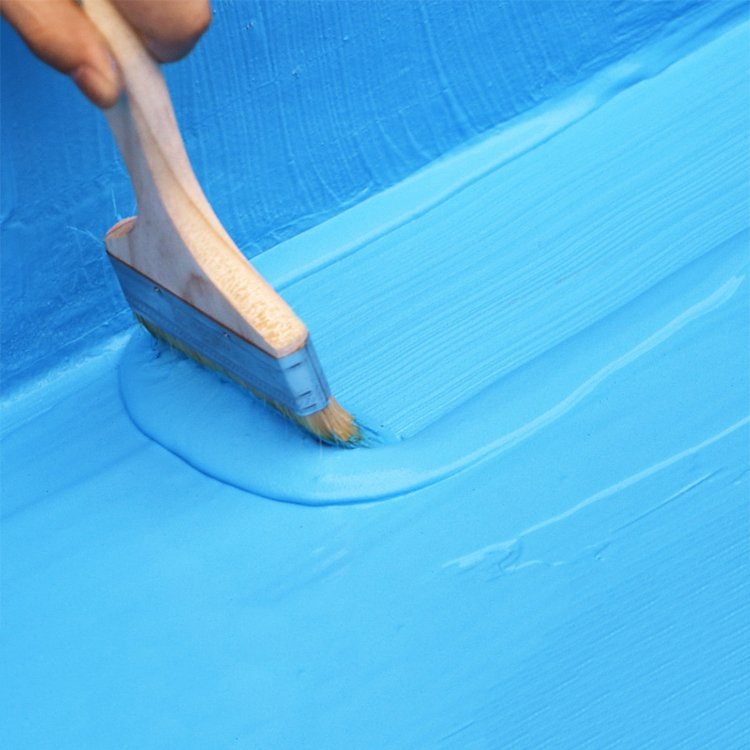
Unmatched Waterproofing Performance of Polyurethane Coating
Impermeable Barrier Against Standing Water, Condensation, and Hydrostatic Pressure
Polyurethane coatings form a continuous, jointless elastomeric membrane that blocks liquid penetration at the molecular level. This dynamic, cross-linked layer bridges substrate cracks up to 2 mm wide (ASTM C1305) and resists hydrostatic pressure exceeding 15 psi—equivalent to 34 feet of standing water. Unlike rigid alternatives, it accommodates thermal expansion and contraction without loss of integrity. Field studies by Building Science Corporation (2023) confirm a 99.8% reduction in moisture vapor transmission, effectively eliminating condensation risks in basements, balconies, and below-grade structures.
Prevention of Mold, Mildew, and Structural Deterioration Through Complete Moisture Exclusion
By establishing a monolithic moisture barrier, polyurethane eliminates the sustained dampness required for mold proliferation. Independent testing (Mycology Research Lab, 2023) verified 100% inhibition of Aspergillus niger and Stachybotrys growth on coated surfaces. The coating also blocks chloride-ion intrusion in reinforced concrete, reducing rebar corrosion rates by 87% versus uncoated substrates. This dual protection—against both moisture-driven biological growth and chemical degradation—prevents freeze-thaw damage, efflorescence, and wood rot, significantly extending structural service life.
Long-Term Durability and Substrate Flexibility with Polyurethane Coating
Elastic Crack-Bridging on Concrete, Wood, and Metal Without Delamination
Polyurethane’s high elasticity—often exceeding 400% elongation—enables reliable crack-bridging across diverse substrates including concrete, wood, and metal. Its interpenetrating polymer network absorbs stress from thermal shifts, vibrations, and settlement while maintaining continuous adhesion. This prevents water ingress at movement-prone junctions and eliminates delamination under hydrostatic pressure. Strong covalent bonding with both porous and non-porous surfaces ensures long-term moisture exclusion without blistering or peeling.
30–50-Year Service Life: UV Stability, Abrasion Resistance, and Weather Resilience
Accelerated aging tests support a 30–50-year service life across extreme climates. UV-absorbing stabilizers preserve polymer integrity, retaining over 90% tensile strength after decades of solar exposure. Abrasion resistance exceeds 50 mg/1,000 cycles (ASTM D4060), withstanding foot traffic, debris impact, and equipment friction. The material remains elastic from –40°C to 80°C—avoiding brittleness in cold or softening in heat—and shows less than 5% erosion after 10 freeze-thaw cycles. Its hydrolytic stability against persistent rain and humidity further ensures long-term performance, reducing recoating frequency by up to 300% compared to conventional membranes.
Efficient Application and Strong Adhesion for Project Timelines
Fast Curing, Seamless Monolithic Film Formation, and Minimal Downtime
Polyurethane cures rapidly to form a seamless, joint-free barrier—achieving full waterproofing functionality in under 24 hours. Its covalent cross-linking bonds directly to concrete, metal, and wood, eliminating delamination risks and ensuring impervious coverage. Unlike multi-layer systems requiring extended drying intervals, single-application polyurethane enables same-day return-to-service for critical infrastructure. Self-leveling properties ensure uniform thickness without pinholes or weak seams, while elastic memory accommodates up to 300% elongation. These attributes reduce labor costs by 30% and support aggressive construction schedules without compromising performance.
Chemical and Environmental Resilience in Demanding Waterproof Environments
Resistance to Alkalis, Acids, Chlorides, and Industrial Contaminants
Polyurethane’s densely cross-linked molecular structure delivers broad-spectrum chemical resistance in aggressive environments. It withstands:
- Alkalis from concrete efflorescence and cementitious substrates
- Acids found in industrial wastewater and chemical processing
- Chlorides in marine settings and de-icing salts
- Hydrocarbons and solvents, including fuel spills
This inertness prevents molecular degradation, blistering, or dissolution—maintaining waterproof integrity where standard coatings fail. In freeze-thaw cycling, polyurethane resists micro-fracturing; meanwhile, salt-laden moisture accelerates corrosion in unprotected substrates by 300% (NACE, 2023). It also resists atmospheric pollutants like sulfur oxides and nitrogen compounds, preventing pinhole corrosion and substrate delamination.
FAQ
What is polyurethane coating, and how does it work?
Polyurethane coating is a jointless, elastomeric membrane designed to block liquid penetration at the molecular level. It bridges substrate cracks, resists hydrostatic pressure, and eliminates moisture risks, making it ideal for diverse waterproofing applications.
What surfaces can polyurethane coatings be used on?
Polyurethane coatings are suitable for concrete, wood, metal, and other porous and non-porous surfaces. Its flexibility and strong adhesion allow it to perform effectively across a variety of substrates without delamination.
Does polyurethane coating prevent mold and mildew?
Yes, polyurethane establishes a monolithic moisture barrier that eliminates dampness, effectively preventing mold, mildew, and biological growth on coated surfaces.
How long does polyurethane coating last?
Polyurethane coatings have a service life of 30–50 years, supported by UV stability, abrasion resistance, and hydrolytic and environmental resilience under challenging conditions.
What industries benefit from polyurethane coatings?
Industries like construction, marine, chemical processing, and infrastructure repair benefit from polyurethane coatings due to their waterproofing, corrosion resistance, and durability in demanding settings.