
 EN
EN
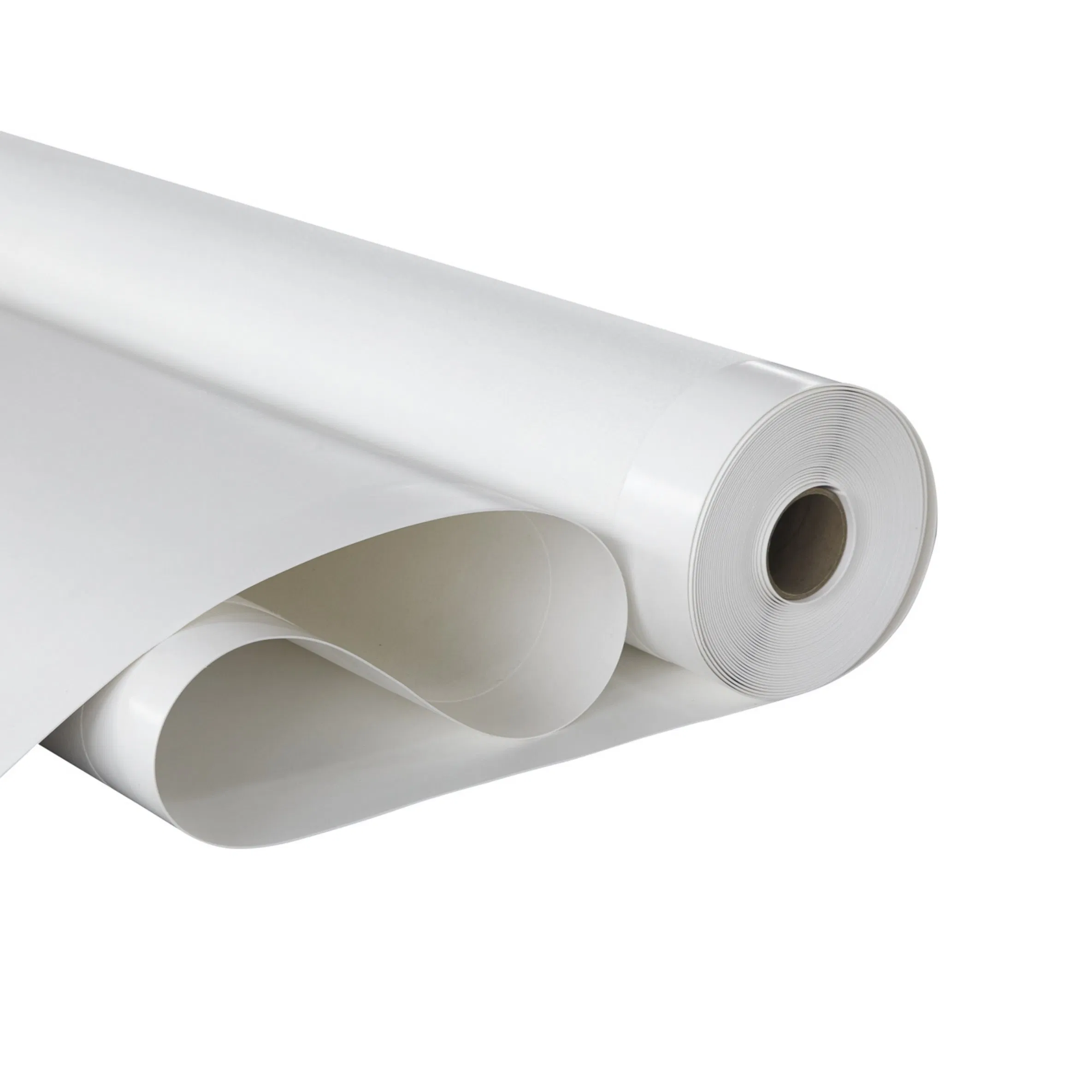
Energy Efficiency and Solar Reflectance of TPO Membrane
How TPO Membrane Reduces Cooling Costs Through High UV Reflectivity
TPO membranes bounce back around 80% of sunlight according to the Cool Roof Rating Council from 2023. This means rooftop temps stay about 30 to 50 degrees Fahrenheit cooler than what happens with darker roofing options. The increased solar reflection really cuts down how much work air conditioners need to do, which translates into savings on cooling bills for businesses somewhere between 15% and 25% each year. Take a warehouse that's 100 thousand square feet in size for example. If it switches to a TPO roof, owners might expect to save anywhere from twelve to eighteen cents per square foot on their energy bills during those hot summer days when cooling costs typically spike. These figures come out of efficiency models developed by the US Department of Energy.
White TPO and Its Role in Mitigating the Urban Heat Island Effect
White TPO roofing materials bounce back around 85 percent of sunlight and release about 90 percent of the heat they absorb, which means they beat traditional options like asphalt and modified bitumen when it comes to keeping cities cool. If we start seeing this kind of material across major metropolitan regions, experts from the Urban Climate Initiative predict that local temperatures might drop somewhere between 2 to 5 degrees Fahrenheit. That sounds small but makes a big difference for city infrastructure, especially when summer heat pushes electricity demand to dangerous levels. Looking at actual data from several communities already implementing reflective roof solutions similar to TPO, researchers have noticed something interesting happening too. Places where these cooler roofs are common report roughly 12 to even 18 percent fewer incidents related to heat stress among residents during those brutal summer storms.
Real-World Impact: Case Study on Energy Savings in Large Commercial Buildings
The logistics facility in Phoenix cut down on cooling expenses by around $217k each year when they swapped out their old EPDM roofing for a newer 60-mil TPO system. During those sweltering summer months, the HVAC system ran 31 percent less time than before. Inside temperatures stayed pretty much constant too, fluctuating only about 3 degrees Fahrenheit even though outside temps hit 115 degrees sometimes. Looking at it over three full years, the building owners saw an impressive 19 to 1 return on their money thanks to all those saved dollars on both energy bills and maintenance work.
Long-Term Durability and Performance in Extreme Conditions
TPO membrane’s structural resilience makes it uniquely suited for commercial roofing systems facing environmental stressors. Advanced polymer formulations and reinforced seam technology ensure long-term performance across diverse climates.
Resistance to Thermal Expansion, Punctures, and Chemical Exposure
A special mix of ethylene-propylene rubber combined with polypropylene stands up well to cracking even when temps hit around 240 degrees Fahrenheit. And during cold weather, it contracts about 40 percent less compared to regular PVC materials according to a study from the Roofing Industry back in 2023. The material also features built-in polyester scrim layers that offer protection similar to what would be expected from EPDM membranes twice as thick. Tests show these layers stop damage from most industrial chemicals too, working effectively against things like hydrocarbon fuels and various cleaning solvents about 93% of the time. Because the material doesn't react chemically, it won't break down over time in those harsh chemical processing settings where other materials might fail.
Performance in Harsh Climates: From Freezing Temperatures to High Winds
At -40°F, TPO retains 97% of its flexibility—significantly outperforming EPDM, which loses 62% under the same conditions (ASTM Testing 2023). In hurricane-prone regions, TPO systems exceed 110 psf wind uplift resistance, surpassing ASHRAE 90.1 standards by 20%. Coastal installations show no chloride-induced deterioration after 15 years of salt spray exposure.
Addressing the Challenge of Seam Integrity in TPO Roofing Systems
Modern heat-welded seams achieve 98% continuity across roof spans and demonstrate 2.3x greater tear resistance than mechanically fastened joints. When paired with factory-applied seam tapes, these systems eliminate 90% of water infiltration risks observed in earlier TPO installations (NRCA Field Report 2024).
Cost-Effectiveness and Low Lifetime Ownership Costs
TPO vs. EPDM and PVC: A Comparative Cost and Performance Analysis
TPO roofing offers good value when looking at both initial costs and what happens over time. The installation typically runs between around $2.80 to $4.20 per square foot. That's actually pretty competitive compared to EPDM which ranges from $2.50 to $4.50, and definitely cheaper than PVC that starts at about $3.00 going up to $5.50 per square foot. What makes TPO stand out is not just the price but how well it holds up too. While PVC tends to get stiff and cracky in really cold weather, TPO stays pliable even when temperatures drop below freezing point, all the way down to -40 degrees Fahrenheit. Another big plus? Those heat welded seams perform much better than the sticky glue joints used in EPDM roofs. According to a survey done by the Roofing Industry back in 2023, there were roughly 80 percent fewer leaks reported with TPO after ten years. And this translates into real savings for building owners since maintenance crews need to fix problems about 30% less often during those first ten years of ownership.
Lifecycle Cost Breakdown of TPO Membrane Over 25 Years
TPO’s total cost of ownership falls 18–30% below alternatives when factoring in energy savings and longevity. Key drivers include:
- Installation: $3.10–$4.40/sq ft (5% lower than EPDM due to lighter weight)
- Maintenance: $0.12/sq ft annually (versus $0.18 for PVC)
- Energy Savings: 15–25% reduction in HVAC costs from solar reflectivity
- Replacement Interval: 22–28 years vs. 15–20 years for EPDM
Over 25 years, a 50,000 sq ft commercial roof saves $340,000 in operational costs compared to PVC and avoids two partial replacements required with EPDM. With tax incentives for ENERGY STAR®-rated membranes, net savings rise to $410,000—explaining why 62% of facility managers now prioritize total cost of ownership over initial price.
Environmental Sustainability and Green Building Compliance
Chlorine-Free Composition and Recyclability of TPO Membrane
TPO stands apart from PVC because it doesn't include those chlorine based additives that cause so many problems when things get manufactured or thrown away later on. The material has this thermoplastic quality which means almost all of it can be recycled through special processing plants. According to recent figures from the Roofing Recyclers Council back in 2023, around eight out of ten pieces of old TPO roofing never end up in landfills thanks to these recycling efforts. What's really interesting though is how companies are starting to implement what they call closed loop systems now. These programs take used TPO materials and turn them right back into brand new roofing membranes or even different construction items, creating a sort of circular economy within the building materials sector.
Contributions to LEED Certification and End-of-Life Roofing Solutions
White TPO supports LEED v4.1 Energy & Atmosphere credits by mitigating urban heat island effects. Buildings with TPO roofs achieve compliance with ASHRAE 90.1 energy standards up to 15% faster (2024 study). Recycling partnerships help contractors meet ESG goals and comply with circular economy regulations in 23 states, ensuring responsible end-of-life management.
Easy Installation and Minimal Maintenance Requirements
Fast, Efficient Installation for Large-Scale and Retrofit Commercial Projects
TPO has this great advantage of being light weight and coming in big pre-made sheets, which makes it install super fast. Labor costs drop about 30 percent when compared to older roofing methods, as noted by the Roofing Industry Alliance back in 2023. Another plus is how well it wraps around all sorts of rooftop gear without creating much waste at all. When companies need to upgrade their roofs without completely tearing everything down, TPO works wonders. Just lay it right over what's already there, and jobs get done roughly 40 percent quicker than doing full removals. A recent 2024 study on commercial roofing showed this clearly, making TPO especially attractive for businesses that want to avoid long periods of downtime during roof replacements.
Ongoing Maintenance Best Practices to Extend TPO Membrane Lifespan
Regular checks for holes and stressed seams combined with basic cleaning through low pressure washes stops around 83% of early roof failures according to the Commercial Roofing Maintenance Report from last year. Around air conditioning systems where chemicals tend to build up, quick cleanups using neutral pH cleaners really helps maintain that reflective surface. For most problems, simple heat welding fixes work just fine instead of tearing out whole sections. This approach saves building owners about 19 cents on every dollar spent compared to other membrane options over time.
FAQ Section
What is TPO roofing membrane made of?
TPO roofing membrane is made of a blend of ethylene-propylene rubber and polypropylene, featuring polyester scrim layers for added durability.
How does TPO reflect sunlight?
TPO membranes reflect sunlight due to their high UV reflectivity, with some versions bouncing back around 80% to 85% of sunlight.
How does TPO help reduce cooling costs?
TPO roofing reduces cooling costs by reflecting sunlight, thus lowering rooftop temperatures and decreasing the workload on air conditioning systems.
Is TPO environmentally sustainable?
Yes, TPO is environmentally sustainable as it can be recycled and does not contain harmful chlorine-based additives, contributing positively to green building practices.