
 EN
EN
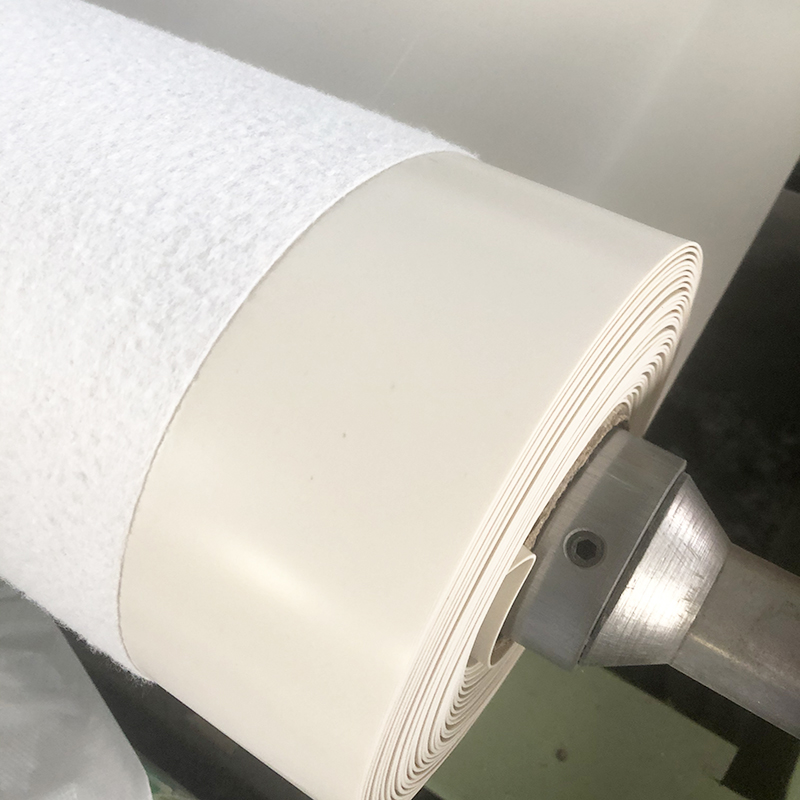
TPO Membrane Composition and Structural Advantages
Understanding the layered structure of TPO membrane
TPO membranes have what's called a three layer construction, built specifically to perform well and last longer than many alternatives. At the bottom we find a flexible thermoplastic polyolefin material that does an excellent job keeping water out where it shouldn't be. Then there's the middle layer made of polyester scrim fabric. This part really helps prevent tears when things get rough and keeps everything from stretching out of shape during installation or after years of use. On top sits another layer of UV resistant TPO compound. This stuff comes straight from the factory bonded together, not glued on later. Available in different thickness options ranging between 45 and 80 mils thick, this outer layer handles all sorts of physical stress while standing up against whatever weather conditions might come along.
TPO membrane composition and ASTM standards compliance
When manufacturers combine polypropylene with ethylene-propylene rubber for TPO materials, they create products that actually meet those ASTM D6878 standards. These blends can handle tensile forces above 250 psi yet still stay flexible enough for installation. Newer versions of these materials now contain special UV stabilizers that don't migrate out over time, plus flame retardants that are free from halogens. This means no more problems with plasticizers leaking out like we saw in older membrane types. The result? Better protection against fires and cracks forming in cold weather conditions. Tests show peel strengths well beyond 4 pounds per linear inch when it comes to how well these materials stick together during adhesion testing.
How polymer formulation enhances durability and flexibility
TPO membranes can stretch up to 400%, which is about four times what traditional asphalt systems manage. This kind of flexibility means the material handles changes in temperature really well, expanding and contracting between -40 degrees Fahrenheit all the way up to 240°F without putting stress on the seams. What makes this possible is the stable polymer structure inside these membranes. Unlike PVC materials where something called chain scission happens over time, TPO surfaces actually bounce back after people walk on them or when there are temporary dents. Instead of creating those annoying permanent wrinkles we see in other materials, they just flatten out again naturally.
Superior Durability and Weather Resistance in Commercial Applications
Puncture Resistance and Performance Under Heavy Foot Traffic
Reinforced with a robust polyester scrim, TPO membranes excel in high-traffic commercial environments. With thickness options between 50 and 70 mils, they resist punctures from equipment movement and routine maintenance, making them ideal for warehouses and manufacturing facilities where durability is critical.
UV Resistance and Sustained Performance in Prolonged Sunlight Exposure
The reflective white surface of TPO reflects 85% of solar radiation (per ASTM E1980-2023), minimizing thermal degradation. Unlike darker roofing materials, TPO retains its structural integrity after decades of UV exposure, maintaining long-term performance even in intense southern U.S. climates.
Cold Weather Resilience and Resistance to Thermal Shock
At -40°F, TPO remains flexible—unlike traditional PVC, which becomes brittle in freezing conditions. This resilience prevents cracking during freeze-thaw cycles, making TPO a preferred choice for cold storage buildings and structures in northern regions.
Wind Uplift Resistance for Expansive Flat Rooftops
Mechanically fastened TPO systems meet ASTM D6630 requirements, achieving wind uplift ratings up to 110 mph. Properly spaced fasteners distribute load across large sheets (typically 20’ x 100’), ensuring secure coverage on expansive flat commercial roofs.
Balancing Long-Term Durability With Seam Integrity Challenges
Welded seams in TPO generally outperform adhesive-based joints in longevity. However, improper heat welding during installation is the leading cause of premature failure. Certified contractors using automated welding equipment reduce seam separation risks by 62%, highlighting the importance of skilled application.
Energy Efficiency and Sustainability Benefits of TPO Roofing
High Solar Reflectance and Reduced Heat Absorption
TPO roofing reflects up to 85% of solar radiation, significantly outperforming dark asphalt roofs. This reflectivity reduces rooftop surface temperatures by 40–50°F (22–28°C), limiting heat transfer into buildings. These properties help TPO qualify for Energy Star certification and comply with energy codes such as ASHRAE 90.1.
Lower HVAC Demand and Energy Cost Savings in Large Buildings
TPO roofing helps cut down on heat buildup inside buildings which means less need for air conditioning. A recent study from 2023 looking at energy efficient building envelopes found that businesses can save between 20 to 30 percent on their HVAC bills when using TPO materials. The math works out pretty well too for big buildings exceeding 100 thousand square feet where property managers typically see around fifteen to twenty five cents saved per square foot each year. And there's another benefit worth mentioning: since the systems aren't working as hard during those sweltering summer months, the actual HVAC equipment tends to last anywhere from two to four extra years before needing replacement in warmer regions.
Contribution to LEED Certification and Environmental Compliance
TPO supports LEED (Leadership in Energy and Environmental Design) credits through:
- Heat island reduction (SS Credit 7.2) via high solar reflectance
- Energy optimization (EA Prerequisite 2) due to lower cooling loads
- Material transparency (MR Credit 2) as a chlorine-free, 100% recyclable membrane
Six states now require reflective roofing like TPO in commercial energy codes, citing 12–18% reductions in urban heat island effects from broad adoption.
Efficient Installation Methods for Large-Scale TPO Roofing
Mechanically fastened systems: Balancing speed and cost-effectiveness
TPO membranes attached mechanically rely on corrosion resistant screws and metal plates that secure directly to the roof structure. This approach eliminates waiting around for adhesives to dry, which can really slow things down on site. Contractors report saving somewhere between 18% and 35% on labor expenses when compared to traditional full adhesion methods. Plus these installations still meet all the ASTM standards for wind resistance, so they hold up just fine against strong gusts. That makes mechanical fastening particularly attractive for commercial projects like warehouses or big box stores where time constraints are tight and deadlines cannot be missed.
Fully adhered vs. mechanically attached TPO: Performance trade-offs
Fully adhered TPO is bonded with specialty adhesives, offering higher puncture resistance (up to 380 psi) than mechanically attached systems (250 psi). However, the 48-hour curing period and 20% higher material costs make mechanical attachment more economical for projects where budget and schedule are primary concerns.
Induction-welded systems for enhanced seam strength and scalability
Induction welding employs electromagnetic technology to create seams with over 2,500 PSI bond strength—40% stronger than standard heat welding. This technique allows crews to install more than 10,000 sq. ft. per day without reliance on temperature-sensitive adhesives, making it ideal for large-scale facilities like stadiums and industrial plants requiring all-weather reliability.
Importance of professional installation for ASTM-compliant results
Certified installers ensure 99.9% seam integrity by following ASTM D6878 guidelines for weld temperature (570–620°F) and pressure (30–45 psi). Third-party audits show that 83% of early membrane failures stem from improper installation, emphasizing the need for trained crews who follow proper substrate preparation and moisture testing protocols.
TPO vs. Other Roofing Materials: Cost, Performance, and Long-Term Value
Why TPO outperforms EPDM in UV and thermal resistance
The white surface of TPO reflects around 85 percent of sunlight, which keeps roofs much cooler than darker materials and cuts down on thermal stress problems. On the flip side, black EPDM tends to soak up heat, sometimes making surfaces as much as 40 degrees hotter during those sweltering summer days. What makes TPO stand out even more is how it stands up to extreme weather conditions. It can handle everything from freezing cold at minus 40 degrees all the way up to scorching hot temps near 240 degrees without getting brittle or damaged. This kind of resilience gives it better protection against sudden temperature changes than regular EPDM rubber, which just isn't built for such extremes.
Cost and maintenance comparison: TPO versus PVC membranes
TPO and PVC both stand up well against the weather, though TPO generally gives better bang for buck. Installation costs usually fall between $4.50 and $16 per square foot for TPO, while PVC tends to sit in the $5 to $15 range based on recent market data. The lighter nature of TPO membranes at around 38 to 50 mils versus PVC's 45 to 60 mils means less strain on building structures. Another plus point for TPO is the way it handles seams. Since TPO doesn't have directional limitations like PVC does with those tricky heat welded joints, maintenance crews need to intervene about 30% less frequently over a 15 year period. This makes sense when considering long term operational costs for facility managers looking at roof replacements down the road.
Advantages of TPO over traditional built-up roofing systems
TPO eliminates the multi-layer application process of built-up roofing (BUR), cutting installation time by 65% and reducing roof load by 80%. As a single-ply system, it avoids issues like aggregate loss and oil bleeding common in BUR. With tensile strength between 300–400 psi, TPO better withstands building movement and dynamic stresses.
Lifecycle cost analysis: TPO’s value over time
Over a 30-year lifecycle, TPO roofs incur 20–25% lower total costs than EPDM or PVC alternatives. This advantage comes from energy savings ($0.15–$0.30\/sq. ft. annually in cooling costs) and extended service life—80% of TPO installations last beyond 22 years in temperate climates—reducing replacement frequency and maintenance expenses.
FAQs
What is TPO roofing?
TPO stands for Thermoplastic Polyolefin, a type of single-ply roofing membrane known for its durability, flexibility, and energy efficiency.
How does TPO compare to EPDM roofing?
TPO outperforms EPDM in UV resistance and handles extreme temperatures better, while EPDM tends to absorb heat.
Is TPO an eco-friendly choice?
Yes, TPO is 100% recyclable and contributes to LEED credits for sustainable building practices.
Why choose TPO over PVC roofing?
While both offer durability, TPO is generally more cost-effective and has fewer maintenance issues related to seam directionality.
Table of Contents
- TPO Membrane Composition and Structural Advantages
-
Superior Durability and Weather Resistance in Commercial Applications
- Puncture Resistance and Performance Under Heavy Foot Traffic
- UV Resistance and Sustained Performance in Prolonged Sunlight Exposure
- Cold Weather Resilience and Resistance to Thermal Shock
- Wind Uplift Resistance for Expansive Flat Rooftops
- Balancing Long-Term Durability With Seam Integrity Challenges
- Energy Efficiency and Sustainability Benefits of TPO Roofing
- Efficient Installation Methods for Large-Scale TPO Roofing
- TPO vs. Other Roofing Materials: Cost, Performance, and Long-Term Value
- FAQs