 EN
EN
מהי שכבת איטום נגד מים ולמה היא חשובה לעמידות בתעשייה
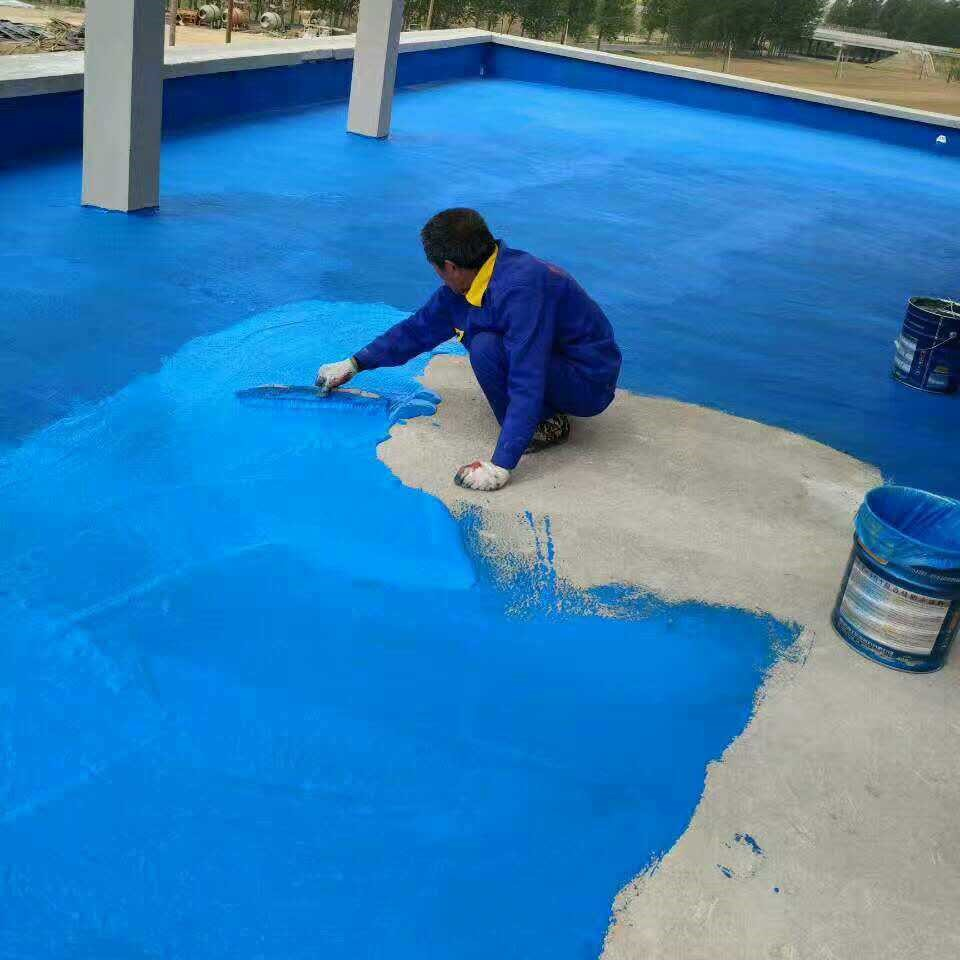
ציפוי נגד חדירה של מים הוא שכבת הגנה متخصصة המופעלת על משטחים תעשייתיים—כגון בטון, מתכת או גגות—כדי ליצור מחסום בלתי חדיר למים, לחות ויסודות קורוזיביים. הפונקציה העיקרית שלו היא למנוע פגיעה במבנה הנגרמת על ידי חדירת מים, אשר עלולה לגרום לחידוד, לצמיחת עופרת או להתפaltung הבטון. עבור מתקנים תעשייתיים, הגנה זו מאריכה באופן ישיר את תקופת חייו של הנכס ומחסכת בעלויות תחזוקה: בטון לא מצופה שנחשף ללחות עלול להשתדרר תוך 5–7 שנים, בעוד שמשטחים מצופים כראוי יכולים לשרוד עשרות שנים. מעבר לשמירה על האינטגריות המבנית, ציפוי נגד חדירת מים מגן גם על מערכות חשמל, מכונות ומזוודות מפני נזקי מים—גורם קריטי בייצור או באחסון, שם כשלים בציוד עלולים לעצור את פעילות המפעל. העמידות האורכית של ציפויים אלו מפחיתה את עצם ההפסקות הלא מתוכננות ואת הוצאות ההחלפה, מה שהופך אותם להשקעה אסטרטגית לבניית עמידות תעשייתית.
סוגי קולקציות מים עיקריים: אקריליק, פוליאוריתן וארפוקסי – השוואה
קולקציות מים תעשייתיות מתחלקות לשלושה סוגים עיקריים, שכל אחד מהם מציע תכונות הגנה ייחודיות. הבנת ההבדלים ביניהם מבטיחה עמידות אופטימלית של המשטח בפני גורמי לחץ סביבתיים.
קולקציית מים אקרילית להגנה נושמת
תרכובות אקריליות מצליחות במיוחד בחדירות לדיון, מה שמאפשר לרטיבות לכדаться להיפלט תוך חסימה חדירה של מים נוזליים — דבר המאפשר שימוש אידיאלי על בסיסי בטון או לבנים הנטויים להתפרצויות מלח. הן נמסות במהירות, מפשטות את התהליך של הפעלת הקולקציה ועומדות בפני דעיכה עקב קרני UV. עם זאת, עמידותן המoderate לכולים מגבילה את השימוש בהן בסביבות אגרסיביות כגון מפעלי כימיה. עם תוחלת חיים טיפוסית העולה על 8 שנים, האקריליות מספקות הגנה זולה יחסית לגגות וחזיתות, שם נדרשת גמישות מבנית.
קולקציות פוליאוריתן וארפוקסי להגנה חזקה במיוחד
ציפויי פוליאוריתן מספקים גמישות יוצאת דופן ויציבות מול קרינה فوق סגולה (UV), מה שהופך אותם למתאימים למבנים חשופים כגון גשרים ומגרשי חניה. היכולת שלהם להימתח (עד 98% במבחני תעשייה) מאפשרת התאמות לתנועות של המשטח ללא נקיעות. חלופות אפוקסי מציעות הדבקה עליונה — קיבולת הדבקה של יותר מ-3,000 psi — ועומדות בפני כימיקלים קורוזיביים, חומצות וממסים. למרות שנטות לצביעה צהובה תחת חשיפה לקרינה فوق סגולה (UV) ללא ציפוי עליון, מערכות אפוקסי יוצרות מחסומים בלתי חדירים למיכלים לאחסון ולרצפות תעשייתיות. לשניהם יש צורך ביחס ערבוב מדויק ותנאי קשיה מבוקרים כדי להשיג צפיפות איחוד חוצה אופטימלית.
גורמים קריטיים בבחירת ציפוי עמיד למים המתאים
התאמה למשטח והחשיפה לסביבה
הבסיס ליצירת שכבת איטום יעילה הוא התאמה של השכבה החותמת לחומר היסודי ולתנאי הפעולה שלו. חומרים יסודיים כגון בטון, מתכת ועץ דורשים כל אחד מהם تركיבות ספציפיות — למשל, שכבות חותמות עמידות באלקלית לבטון או טלאי מונעי קורוזיה לפלדה. גורמים סביבתיים כגון חשיפה למלח ימי, נזילות כימיקלים או מחזורים של הקפאה והפשרה קובעים אף הם את הבחירה; מתקנים באזורים רטובים זקוקים לשכבות חותמות פרוסות אדים כדי למנוע היווצרות בועות, בעוד מפעלי כימיה זקוקים לרבדים חסיני כימיקלים. התעלמות מהגורמים הללו עלולה לגרום לכישלון מוקדם: סקר תעסוקתי משנת 2023 חשף כי 65% מכישלונות השכבות החותמות נבעו ממתח בין החומר היסודי לסביבה.
זמן קיבוע, גמישות ודרכי עמידות בפני קרינה فوق סגולה
מגבלות תפעוליות משפיעות באופן משמעותי על קריטריוני הביצוע של השכבות. تركובות המתייבשות במהירות (בפחות מ-4 שעות) מפחיתות את זמן העצירה של הציוד במתקנים עם תנועה רבה, בעוד שחלופות המתייבשות לאט יותר מספקות חדירה מעמיקה יותר למשטחים ספוגיים. הגמישות נותרת קריטית למשטחים הנטויים לתנועה או לרעידות; שכבות אלסטומריות סוגרות סדקים ברוחב עד 1/8 אינץ' ומניעות חדירת מים דרך שינויים מבניים. ליישומים חיצוניים, התנגדות ל-U.V. היא חובה – שכבות ללא הגנה יתפוררו מהר פי 2 תחת חשיפה לשמש, מה שיגרום להבהבה ולשבירה. יש לשים דגש על שכבות עם דירוגי יציבות מול U.V. שנבדקו ונמצאו טובים עבור תשתיות חיצוניות.
הנחיות מומלצות ליישום של שכבות נגד מים ותחזוקה ארוכת טווח
מערכות קיטום ות coatings נגד מים מספקות הגנה אופטימלית רק כאשר הן נוטלות ויישמות כראוי. התעלמות מהנוהלים הטובים ביותר עלולה לגרום לאי-תפקוד מוקדם, אשר יוביל לפגיעות במבנה ולإصلاحים יקרים. מפעילים תעשייתיים חייבים לתת עדיפות להכנה של המשטח, לטכניקות הפעלה מתאימות ולתחזוקה מתוכננת כדי למקסם את משך החיים של הקיטום. פרוטוקולים אלו מונעים חדירה של מים שפוגעת בשלמות המבנית ומפחיתה את היעילות הפעילה. יישום גישה שיטתית מבטיח ביצוע עקבי בסביבות תעשיות מגוונות.
הכנה של המשטח והשתלבות הפריימר
הכנה מקיפה של המשטח היא חובה מוחלטת כדי להבטיח הדבקה של שכבת איטום. הסירו את כל המזד contamination, כגון שמן, אבק וציפויים קיימים, באמצעות פיצוץ חריף או ניקוי כימי. תקנו סדקים וחסרונות בעזרת ממלאים תואמים לפני הפעלת הציפוי. הפעילו פרימרים המומלצים על ידי היצרן כדי לשפר את ההדבקה וליצור ספיח אחיד של תת-הבסיס. פרימה מתאימה מונעת התנתקות (דלמינציה) ומבטיחה כיסוי אחיד, במיוחד על בטון חדיר או משטחים מתכתיים. דילוג על שלבים אלו מפחית את יעילות הציפוי עד 50%.
בקרת איכות, תקופות החזרה לציפוי מחדש ומערכת מעקב אחר הביצועים
בצעו בדיקות פעמיים בשנה, תוך התמקדות באזורים הנמצאים במתח גבוה, כגון צמתים וקצוות. מסמנים את מצב הציפוי באמצעות מדדים סטנדרטיים:
| התמקדות בבדיקה | מצביע ביצועים | סף פעולה |
|---|---|---|
| שלמות דבק | בליסטראציה/סדקים | מעל 5% משטח הפנים |
| דְּגְרָדַצְיָה מֵאוּוֵי | אבקון/שינוי צבע | הבהבה נראית לעין |
| פּגִיעָה מֶכַּאנִית | שריטות/חריצים | עומק גדול מעובי הציפוי |
לעשות שכבת חיפוי מחדש כל 3–5 שנים למערכות אקריליות ומדי 5–8 שנים לגירסאות פוליאוריטן או אפוקסי. להשתמש במטרות לחות ובצילום אינפרה-אדום במהלך ההערכות כדי לגלות כשלים נסתרים. תיקון מיידי של נזקים קלים מונע התדרדרות מעריכית, ומאריך את תקופת השירות ב-40–60%.
שאלות נפוצות
מהו המטרה העיקרית של חיפוי נגד חדירת מים?
חיפויים נגד חדירת מים יוצרים מחסום בלתי חדיר על פני השטחים כדי למנוע נזקי מים, חלד, עופרת ופירוק מבני בתשתיות תעשייתיות.
אילו הם סוגי החיפויים העיקריים נגד חדירת מים?
הקטגוריות העיקריות הן חיפויים אקריליים, פוליאוריטניים ואפוקסיים, כאשר כל סוג מתאים לצרכים תעשייתיים ספציפיים.
איך בוחרים את החיפוי המתאים לסובסטרט?
להתאים את החיפוי לחומר של הסובסטרט ולחשיפה הסביבתית שלו. לדוגמה, חיפויים בעלי עמידות בסיסית מתאימים לבטון, בעוד שפרימרים המונעים חלד מתאימים לפלדה.
למה חשובה עמידות באולטרה סגול (UV) בחיפויים נגד חדירת מים?
ת Resistancy ל-UV ממזערת את הידרדרות הסולארית, ומניעה איבוד צבע, שבריריות או ירידה בביצועי ההגנה לאורך זמן.
אילו פעולות תחזוקה מבטאות את עמידות הסדקים?
בקרות סדירות, תיקונים בזמן והחזרת סדקים בלוחות זמנים קבועים ממקסמות את משך החיים וביצועי הסדקים.