
 EN
EN
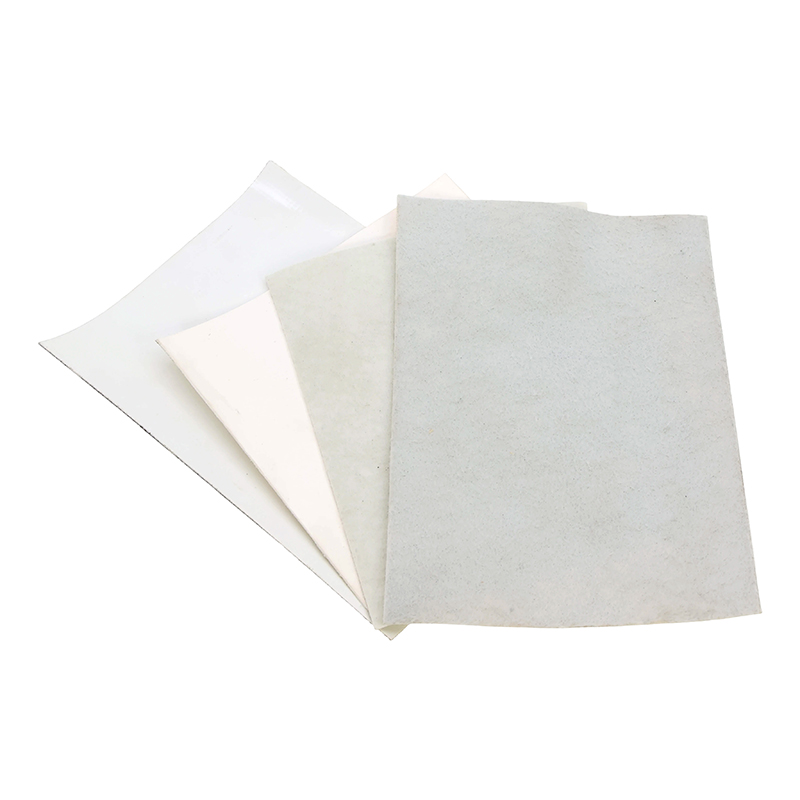
What Is TPO Membrane and Why It Dominates Modern Roofing
TPO (Thermoplastic Polyolefin) membrane is a single-ply roofing system engineered for commercial flat and low-slope roofs. This thermoplastic material blends polypropylene and ethylene-propylene rubber into a flexible, UV-resistant sheet installed in large rolls. Heat-welded seams create a continuous waterproof barrier that outperforms traditional asphalt systems in durability and weather resistance.
Three factors drive TPO’s dominance: energy efficiency, cost-effectiveness, and sustainability. Its highly reflective white surface reduces rooftop temperatures by up to 50°F versus dark materials, slashing cooling costs by 15–30% annually. Installation flexibility—mechanically attached or fully adhered—lowers labor expenses, while service lives exceeding 40 years minimize replacement frequency. Environmental advantages include full recyclability and LEED® compliance, making TPO the preferred choice for 60% of new commercial roofing installations.
Key Advantages of TPO Membrane: Durability, Energy Efficiency, and Sustainability
UV Resistance and Thermal Reflectivity for Lower Cooling Costs
TPO membrane delivers exceptional energy efficiency through high solar reflectance (typically ≥80% initial, ≥70% aged per ENERGY STAR® standards), significantly reducing heat absorption and cooling loads. Its inherent UV resistance prevents polymer degradation and plasticizer leaching over time—preserving flexibility and seam strength without chemical stabilizers. This performance supports green building goals, including mitigation of urban heat island effects, and aligns with ASHRAE 90.1 and Cool Roof Rating Council (CRRC) requirements.
Welded Seams and Long-Term Weather Resistance
Heat-welded seams form monolithic, watertight bonds that are three to four times stronger than adhesive- or tape-sealed alternatives—eliminating fastener penetrations and dramatically lowering leak risk. TPO resists ponding water, thermal cycling, chemical exposure, and mechanical damage, while its chlorine-free composition supports end-of-life recycling. When properly installed and maintained, TPO systems deliver reliable service lives of 20–30+ years with minimal upkeep.
How to Choose the Right TPO Membrane: Thickness, Reinforcement, and Certification Standards
60-mil vs. 45-mil: Matching Thickness to Roof Load and Climate
Thickness directly correlates with puncture resistance, seam durability, and long-term performance under stress. A 60-mil TPO membrane provides superior resilience in demanding applications—including industrial facilities in hurricane-prone regions, buildings requiring consistent R-value retention over 15+ years, and roofs subject to frequent equipment servicing or hail exposure. In contrast, 45-mil membranes remain appropriate for mild-climate, low-traffic commercial structures where budget constraints are primary and structural loads are light.
ANSI/SPRI ES-1 and UL 790 Class A Fire Ratings Explained
Compliance with ANSI/SPRI ES-1 wind uplift standards and UL 790 Class A fire ratings is essential for commercial roofing safety and code approval. ANSI/SPRI ES-1 validates performance under simulated wind pressures equivalent to 110+ mph gusts—critical for high-rise and coastal buildings. UL 790 Class A certification confirms the highest level of fire resistance, requiring materials to withstand severe flame spread for over 82 minutes. Facilities handling flammable materials or located in wildfire-prone zones must specify both certifications to satisfy local building codes, insurance mandates, and FM Global property loss prevention guidelines.
Best Practices for TPO Membrane Installation and Long-Term Maintenance
Proper installation and disciplined maintenance are foundational to achieving TPO’s full performance potential—particularly seam integrity, wind resistance, and thermal efficiency. Professional execution per manufacturer specifications ensures warranty validity and mitigates vulnerabilities tied to thermal stress, substrate movement, and moisture entrapment.
Mechanically Attached vs. Fully Adhered Systems: When to Use Each
Mechanically attached systems use concealed fasteners to secure the membrane to the roof deck—ideal for cost-sensitive projects with stable, dry substrates and moderate wind exposure. While faster to install, they offer lower wind uplift resistance than adhered alternatives. Fully adhered systems bond the membrane directly to the substrate using solvent-free adhesives, delivering maximum resistance to wind uplift and thermal movement—making them the recommended choice for high-rises, rooftop HVAC-heavy environments, and regions prone to hurricanes or severe thunderstorms.
Routine Inspection and Seam Integrity Monitoring
Conduct biannual inspections focusing on seam appearance, perimeter flashing condition, debris accumulation in drains, and edge deterioration. Infrared thermography is a proven tool for detecting subsurface moisture intrusion before visible leaks develop—enabling proactive repair that prevents up to 80% of major failures (Roofing Industry Survey, 2023). Critical inspection protocols include ASTM D413 peel testing of random seam samples, removal of organic debris from scuppers and gutters, and visual assessment of UV exposure at exposed edges and flashings. Documenting all findings ensures warranty compliance and establishes a baseline for predictive maintenance—prompt repair of minor breaches extends service life by 5–8 years compared to reactive interventions.
FAQ
What is TPO membrane used for?
TPO membrane is primarily used in commercial flat and low-slope roofing systems for its durability, energy efficiency, and sustainability features.
How does TPO membrane improve energy efficiency?
TPO's highly reflective white surface reduces rooftop temperatures significantly, resulting in decreased cooling costs annually.
Why are welded seams important in TPO roofing systems?
Welded seams form watertight bonds that reduce the risk of leaks and enhance the long-term durability of the roofing system.
What factors should be considered when choosing a TPO membrane?
Consider the thickness needed based on roof load and climate, as well as certifications like ANSI/SPRI ES-1 wind uplift standards and UL 790 Class A fire ratings.
How often should TPO roof inspections be conducted?
Biannual inspections focusing on seam integrity, flashing condition, and debris accumulation are recommended.
Table of Contents
- What Is TPO Membrane and Why It Dominates Modern Roofing
- Key Advantages of TPO Membrane: Durability, Energy Efficiency, and Sustainability
- How to Choose the Right TPO Membrane: Thickness, Reinforcement, and Certification Standards
- Best Practices for TPO Membrane Installation and Long-Term Maintenance
- FAQ