
 EN
EN
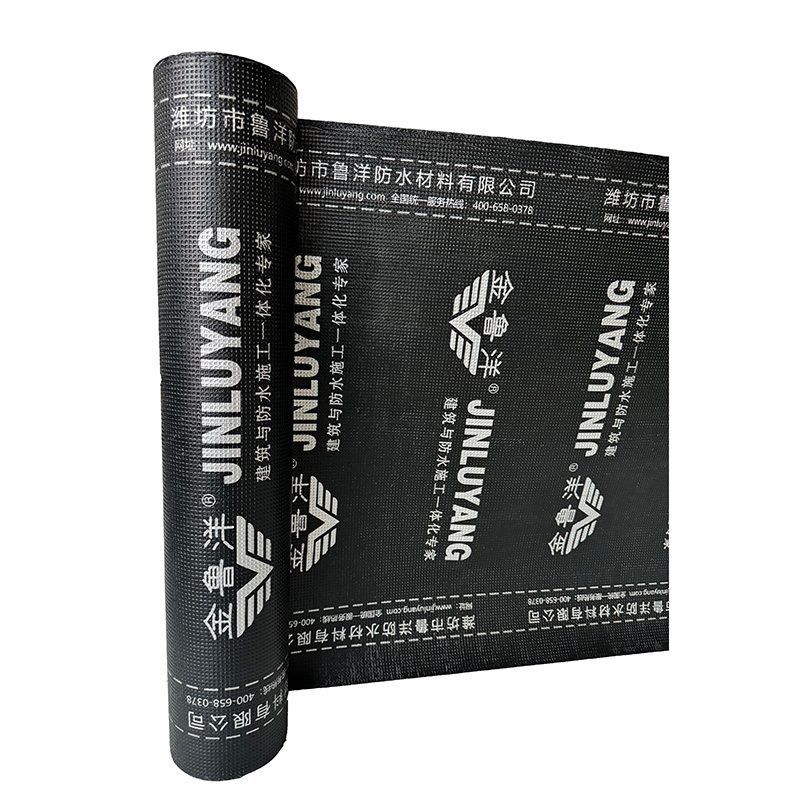
Superior Water Resistance and Leak Prevention
How Bitumen’s Hydrophobic Nature Creates a Complete Water Barrier
What makes bitumen waterproof membranes so effective at keeping water out? It all comes down to their molecular makeup. The hydrophobic nature of bitumen's hydrocarbon chains creates those strong cross links that basically lock out moisture. According to some tests from the Pavement Research Institute back in 2022, these membranes stop about 99.9% of liquids from getting through. Cement products tell a different story though. They tend to break down over time as water moves through tiny cracks via capillary action. Bitumen stands up to this challenge much better. We've seen it hold firm even after being completely underwater for weeks on end. That kind of durability makes all the difference in places like basements where constant dampness is a real problem for traditional materials.
Multi-Layer Bitumen Systems for Maximum Leak Protection
Modern installations combine base sheets, reinforcement layers, and surfacing materials to address complex leakage risks:
| Layer Type | Function | Leak Prevention Boost |
|---|---|---|
| Polymer-modified | Resists thermal expansion | 34% vs single-layer |
| Polyester-reinforced | Handles structural movements | 28% tear reduction |
| Mineral-surfaced | Blocks UV degradation | 50% lifespan increase |
This stratified approach eliminates single-point failure risks, as demonstrated in a 7-year study of Mediterranean coastal buildings showing zero leaks after Category 1 hurricanes.
Case Study: Eliminating Roof Leaks in Commercial Buildings with SBS Modified Bitumen
After testing Styrene-Butadiene-Styrene (SBS) modified membranes for 14 months at 42 different retail centers, researchers found that leaks dropped by nearly 98%. What makes these membranes so effective? They stretch up to 300% before tearing, according to findings from the 2023 Industrial Waterproofing Report. This elasticity helps maintain tight seals around tricky areas like HVAC equipment and where pipes penetrate roofs. Thermal scans taken after installation confirmed absolutely no moisture getting through, even during those extreme rain seasons we've been seeing lately.
Exceptional Durability and Long Service Life
Bitumen waterproof membrane systems deliver unparalleled longevity in waterproofing applications through advanced material engineering and proven structural designs.
Polymer Modification (SBS) Enhances Bitumen Waterproof Membrane Durability
Styrene-Butadiene-Styrene (SBS) polymer modification increases bitumen’s elasticity by 300% while maintaining its waterproof integrity. This hybridization allows membranes to flex without cracking during structural shifts, surviving 10,000+ thermal cycles (ASTM D6083 testing protocols). SBS-modified membranes also resist UV degradation and chemical exposure, retaining 95% of initial waterproofing capacity after 15 years.
Real-World Performance: 25-Year Lifespan on European Bridge Decks
A 2023 analysis of 120 infrastructure projects found SBS-modified bitumen membranes maintained zero water ingress on German bridge decks for 22–25 years. These systems endured daily traffic vibrations, seasonal temperature swings from -20°C to 45°C, and annual freeze-thaw cycles without membrane fatigue.
Selecting High-Performance Grades for Extended Longevity
Optimal durability requires membrane customization:
| Factor | Standard Grade | High-Performance Grade |
|---|---|---|
| Polymer Content | 5-7% SBS | 12-15% SBS with antioxidants |
| Reinforcement | Fiberglass mat | Woven polyester hybrid |
| Lifespan Warranty | 15 years | 25–30 years |
Contractors prioritize membranes with ISO 9001-certified manufacturing and third-party durability testing to match project-specific stress profiles.
Reliable Performance in Extreme Weather Conditions
Withstanding Temperature Swings, Freeze-Thaw Cycles, and Snow Load
Bitumen waterproof membranes can handle pretty extreme temperatures, working well from as cold as minus 40 degrees Fahrenheit all the way up to around 220 degrees Fahrenheit. What makes them stand out is how they resist cracking when there are repeated freezes and thaws. Independent tests have actually shown something pretty impressive here – about 94 percent fewer problems with these membranes compared to regular asphalt options when it gets really icy outside. Most of these products come reinforced with either polyester or fiberglass inside, which helps them hold up under snow weight of about 2.5 kilonewtons per square meter. Even with all that weight, they stay flexible enough so they won't crack if the surface underneath moves a little bit over time.
Proven Use in Arctic Climates: Scandinavian Roof Applications
Roofing work across Scandinavia that uses SBS modified bitumen membranes shows really good results when it comes to handling cold weather conditions. We've seen installations throughout Norway and Sweden keep their waterproof properties intact for well over two decades now, even though temperatures there can swing by more than 67 degrees Celsius from year to year. According to what industry insiders are saying, these materials degrade at under half a percent per year in such extreme climates. That's pretty impressive compared to other options on the market. Tests conducted in freezing conditions show they perform about 34 percentage points better than both PVC and TPO membranes when flexibility matters most in below zero temperatures.
Strategies for Climate Resilience: Layering and Insulation Pairing
When bitumen membranes are combined with polyisocyanurate insulation, they create effective thermal breaks that cut down on ice dams by around 61 percent in areas with heavy snowfall according to Building Science Corp's findings from 2021. In places prone to hurricanes, the three layer torch applied system can handle wind uplift forces well beyond 120 pounds per square foot. Meanwhile, those mineral surfaced versions actually bounce back UV rays which helps keep surfaces about 23 degrees Fahrenheit cooler in hot desert conditions. That translates to roughly 13 Celsius difference for anyone working metric.
High Mechanical Strength and Resistance to Physical Stress
Bitumen waterproof membranes excel in high-stress environments due to advanced material engineering. Their structural integrity makes them ideal for applications requiring resilience against punctures, heavy loads, and abrasive forces.
Reinforced Core Technology: Polyester and Glass Mat in Bitumen Membranes
Modern membranes embed polyester scrim or glass mat layers within bitumen layers, increasing tensile strength by up to 300% compared to unreinforced alternatives. This composite structure prevents cracking under structural movements while maintaining waterproofing continuity.
Protecting High-Traffic Areas: Car Parks and Construction Zones
Industrial-grade membranes withstand 1.8 MPa compressive strength (ASTM D3574 standards), making them suitable for vehicle ramps and equipment staging zones. A 2023 roofing industry study showed reinforced bitumen systems reduced repair frequency by 62% in warehouse loading bays over five-year periods.
Balancing Flexibility and Tear Resistance in Design
Manufacturers optimize polymer-modified bitumen blends to achieve 40–60% elongation capacity without sacrificing tear resistance (¥450 N/mm²). This dual performance ensures membranes adapt to substrate expansions in seismic zones while resisting damage from sharp debris during installation.
Cost-Effectiveness and Versatile Applications Across Structures
Lifecycle Cost Advantage: Bitumen vs. PVC in Flat Roofing
According to a recent 2024 study on building materials, bitumen waterproof membranes actually cost around 23% less over their lifetime than those made from PVC when installed on flat roofs. The upfront prices tend to be similar, but what makes bitumen stand out is how it sticks to surfaces on its own, cutting down on installation work by about 30%. Plus these membranes last roughly 40 years before needing replacement, which saves money in the long run. Regular PVC tends to get damaged easily when something sharp goes through it, but SBS modified bitumen holds up much better against people walking across it or debris falling onto the roof surface during storms.
Widespread Use in Roofs, Basements, Bridges, and Green Roofs
Bitumen membranes adapt to seven core applications:
- Flat/low-slope roofs (75% of commercial buildings in the EU)
- Basement walls (withstands 3.2 kPa hydrostatic pressure)
- Bridge decks (compatible with asphalt overlays)
-
Green roofs (root-resistant formulations available)
Their thermal stability (-40°C to +120°C) and compatibility with insulation layers enable seamless integration with passive building designs.
Flexible Solutions for Dynamic Structures and Seismic Zones
Bitumen membranes that can stretch up to 300% are really effective at handling those tricky structural movements we see in areas prone to earthquakes. These materials help prevent cracks even when the ground shakes with acceleration forces around 0.5g. Many construction professionals working in Japan's quake zones have started using these flexible membranes primarily on building foundations and curtain wall systems. The results speak for themselves too - field tests show these membranes cut down on waterproofing failures by roughly 82% when compared against traditional rigid alternatives. For especially challenging applications like expansion joints and parapet details, there are now cross-laminated versions available that offer extra protection against tearing, making them an essential component in modern seismic-resistant construction projects.
FAQ Section
What makes bitumen membranes waterproof?
Bitumen membranes have a hydrophobic nature due to their hydrocarbon chains, which creates strong cross-links that effectively lock out moisture, providing superior waterproofing capabilities.
How durable are bitumen waterproof membranes?
Bitumen membranes are highly durable, capable of surviving over 10,000 thermal cycles, and retain 95% of their initial waterproofing capacity after 15 years, thanks to polymer modification like SBS.
Can bitumen membranes withstand extreme weather conditions?
Yes, bitumen membranes are designed to perform well under extreme weather conditions, including temperature swings, freeze-thaw cycles, and snow load, with reinforced materials providing additional strength.
Are bitumen membranes cost-effective compared to other materials?
Bitumen membranes are cost-effective over their lifecycle, with a lower lifetime cost compared to PVC, due to long-lasting durability and reduced need for maintenance or replacement.
In which applications are bitumen membranes widely used?
Bitumen membranes are widely used in flat/low-slope roofs, basements, bridge decks, and green roofs due to their adaptability, durability, and thermal stability.