
 EN
EN
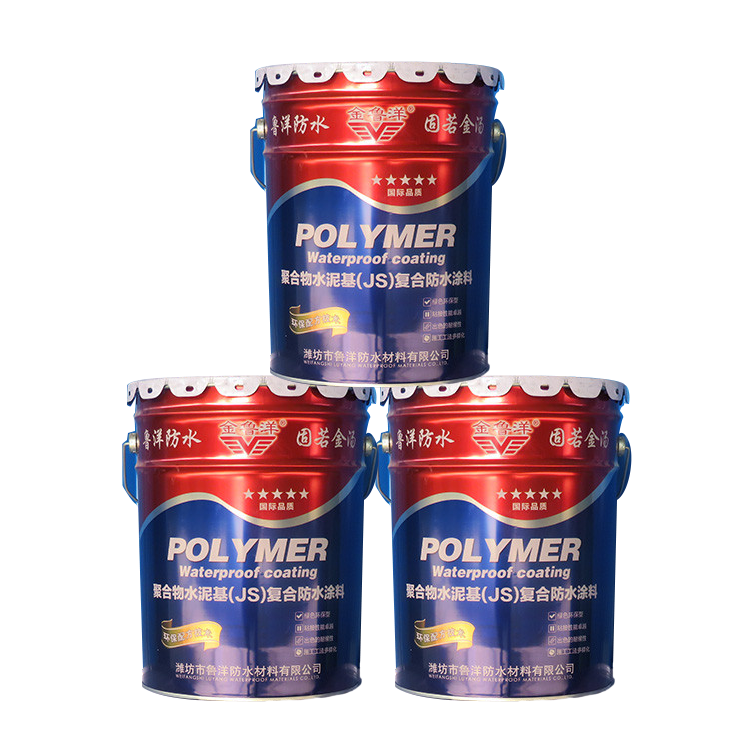
Critical Surface Preparation for Reliable Waterproof Coating Adhesion
Removing Invisible Contaminants: Oil, Grease, Salts, and Residual Moisture
When microscopic contaminants aren't properly removed from surfaces, this accounts for around 80% of waterproof coating failures according to the Coating Performance Institute's 2023 report. The problem comes from oil, grease buildup, and those pesky soluble salts that basically act as roadblocks stopping coatings from sticking properly. Water trapped underneath membranes will cause all sorts of issues like blistering and peeling, which is particularly bad news for cement based or epoxy coatings. To tackle these hidden problems, professionals typically rely on solvent cleaning methods, high pressure washing above 3,500 PSI, plus specific chemical treatments designed for different situations. Concrete contaminated with salt requires special attention too. Using specialized descaling products helps get chloride levels down below 500 parts per million, preventing those annoying osmotic blisters before applying any protective membrane layer.
Cleaning Methods Matched to Substrate Type and Contamination Level
Surface preparation requires customized approaches based on material and pollution severity:
| Substrate | Low Contamination | High Contamination |
|---|---|---|
| Concrete | Mechanical scrubbing | Wet abrasive blasting (SA 3) |
| Metal | Degreasing solvents | Dry ice blasting |
| Plaster/Tile | pH-neutral cleaners | Chemical strippers |
Pressure washing suffices for dust on vertical surfaces, while grease-stained industrial flooring demands thermal lancing. Crucially, verify cleanliness using cross-hatch adhesion tests (ASTM D3359) before applying waterproof coating systems. Polymer-modified membranes require substrates with â5% moisture content (CMTS 2023), achievable through infrared drying or desiccant dehumidifiers in enclosed spaces.
Optimizing Surface Profile to Maximize Mechanical Bond Strength
Abrasive Blasting, Grinding, and Chemical Etching for Ideal Roughness
Getting those tiny anchor points right matters a lot when it comes to making sure waterproof coatings stick properly. Abrasive blasting works great at cleaning surfaces and actually increases the available surface area for bonding. For concrete work, grinding gives us much better control over the details. Chemical etching can dissolve those flaky outer layers on metal surfaces, though we need to keep a close eye on pH levels during this process. According to National Concrete Polishing data from 2023, around 8 out of 10 early failures happen because surfaces weren't rough enough. The different methods create varying levels of texture depth, which affects how well coatings will adhere in the long run.
- Shot blasting: Generates CSP 3â5 profiles ideal for thick epoxy coatings
- Diamond grinding: Achieves uniform CSP 2â3 for polymer-modified membranes
- Acid etching: Creates submicron roughness for thin-film waterproofing
Overly aggressive profiling introduces micro-cracks that accelerate delamination by 40% under forklift traffic (ICT Fibers 2023). A balanced approach tailors technique to both substrate hardness and coating viscosityâthin acrylics perform best at CSP 1â2, whereas polyureas require CSP 3+.
Aligning Profiling Standards (SSPC-SP 10, ISO 8503-1) with Waterproof Coating Requirements
Industry standards SSPC-SP 10 (Near-White Metal Blast) and ISO 8503-1 (anchor pattern comparison) establish measurable roughness thresholds. For waterproofing:
| Standard | Recommended Use Case | Critical Profile Depth |
|---|---|---|
| SSPC-SP 10 | Steel tanks/bridges | 50â75 microns |
| ISO Coarse | Concrete balconies | CSP 3â4 |
| ISO Fine | Interior wet rooms | CSP 1â2 |
Thermal expansion mismatches demand 30% deeper profiles in freeze-thaw zones, while humid climates require tighter peak density to prevent moisture wicking. Facilities ignoring these adaptations saw peeling rates triple within five years (National Concrete Polishing 2023). Verification via replica tape ensures compliance before coating application.
Substrate-Specific Challenges and Solutions for Waterproof Coating Performance
Concrete: Managing SSD Conditions, Chloride Contamination, and Curing Compounds
Getting waterproof coatings to stick properly to concrete surfaces requires tackling three main problems that contractors often overlook. The first challenge is dealing with SSD conditions where the moisture level needs to stay under 4%. Contractors should check this using either RH probes or calcium chloride tests before starting work. If there's too much moisture present, the coating will blister and eventually fail to adhere properly. Next comes chloride contamination, particularly when levels go above 0.2% by weight. These chlorides speed up corrosion underneath the coating layers. To fix this issue, light abrasive blasting works well or sometimes chemical treatments are needed to get rid of salt buildup in reinforced concrete slabs. Lastly, those hydrophobic curing compounds applied during pouring need removal since they create a barrier that prevents coatings from sticking. Most professionals find mechanical scarifying or solvent wiping gets the job done for proper surface wetting. For areas with high chloride content, experts recommend going with epoxy primers as they tend to last longer and provide better adhesion over time.
Metal and Plaster: Rust Sensitivity, Alkalinity, and Thermal Expansion Mismatches
If metal surfaces aren't treated for rust right away, waterproof coatings simply won't hold up over time. The industry standard SSPC-SP 10 blasting method gets rid of existing corrosion effectively, though it can be quite labor intensive. Many professionals also turn to zinc rich primers as these help stop further oxidation from happening. When working with plaster surfaces, there's another issue to watch out for. Alkaline levels above pH 10 actually break down most coatings, so some kind of mild acid treatment becomes necessary first. Thermal expansion differences matter too. Steel grows significantly larger when heated compared to concrete - about six times bigger according to research from the Concrete Institute back in 2023. That's why flexible acrylic coatings work so well at joints between different materials, helping absorb those movements without cracking. Plaster has its own problems too with salt buildup called efflorescence weakening the bond between substrate and coating. Applying breathable silicate sealers prior to any final coating helps combat this issue. Regular checks and maintenance of surface profiles remain essential throughout the project lifecycle to maintain proper adhesion despite all sorts of temperature fluctuations.
Primer Selection and Moisture Management to Prevent Waterproof Coating Failure
Accurate Moisture Assessment: RH Probes, Calcium Chloride Tests, and SSD Thresholds
It's important to check if the surface is really dry before putting on any waterproof coating. Industry standard methods should be used for this verification step. When it comes to relative humidity testing, those RH probes go into the concrete itself to see how much moisture is inside. Most folks look for readings under 75%, according to ASTM F2170 standards. Another common test involves calcium chloride which measures how much vapor is coming out of the concrete. If we get results above 3 pounds per thousand square feet over 24 hours, that usually means the concrete hasn't cured properly yet. For surfaces that need to be completely dry on the outside but still have some moisture inside (what they call SSD conditions), we want to make sure the moisture content doesn't climb past 4 to 5% when measured by weight through gravimetric analysis. Skip these checks at your own risk because problems like blisters and poor adhesion are almost guaranteed, especially in areas with high humidity where trapped moisture ends up ruining most waterproofing jobs. The Coating Performance Institute reported similar findings back in 2023.
Primer Compatibility Guide: Epoxy, Acrylic, and Cementitious Primers by Substrate
When choosing primers, consider what material we're dealing with and how it will be exposed to different conditions. Metal surfaces really benefit from epoxy primers because they stand up better against rust and heat changes, which helps prevent those annoying peels that happen when materials expand differently. Acrylics work great on things like concrete and plaster since they soak into the tiny cracks but still let moisture escape properly. Cement-based primers stick best to stone-like materials, particularly important if there's been issues with alkali reactions or salt damage in the past. Never skip checking if the primer plays well with whatever finish coat is going on top. Look at those spec sheets from manufacturers! We've seen way too many coatings fail early just because someone paired incompatible products together - around two thirds of all waterproofing failures actually come down to this simple mismatch problem.
FAQ
Why do invisible contaminants cause such a high percentage of waterproof coating failures?
Invisible contaminants like oils, grease, salts, and residual moisture prevent coatings from adhering properly. They account for about 80% of failures because they act as barriers, leading to problems like blistering and peeling.
What are common cleaning methods for different substrate types?
For concrete, mechanical scrubbing or abrasive blasting is recommended. Metals often require degreasing solvents or dry ice blasting, while plaster or tile may be cleaned using pH-neutral cleaners or chemical strippers depending on contamination levels.
Why is optimal surface profiling essential for waterproof coatings?
Optimal profiling ensures that the surface has the appropriate roughness for the coating to adhere strongly. Inadequate profiling can lead to early failures or delamination.
How can we ensure proper adherence of coatings on metal?
Proper rust treatment using SSPC-SP 10 blasting and applying zinc-rich primers can help ensure that coatings remain adhered over time.
What are the potential issues caused by moisture in substrates?
Excess moisture can lead to blistering and poor adhesion. It's essential to maintain moisture levels within the recommended thresholds before applying coatings.
Table of Contents
- Critical Surface Preparation for Reliable Waterproof Coating Adhesion
- Optimizing Surface Profile to Maximize Mechanical Bond Strength
- Substrate-Specific Challenges and Solutions for Waterproof Coating Performance
- Primer Selection and Moisture Management to Prevent Waterproof Coating Failure
-
FAQ
- Why do invisible contaminants cause such a high percentage of waterproof coating failures?
- What are common cleaning methods for different substrate types?
- Why is optimal surface profiling essential for waterproof coatings?
- How can we ensure proper adherence of coatings on metal?
- What are the potential issues caused by moisture in substrates?