
 EN
EN
Quick Links
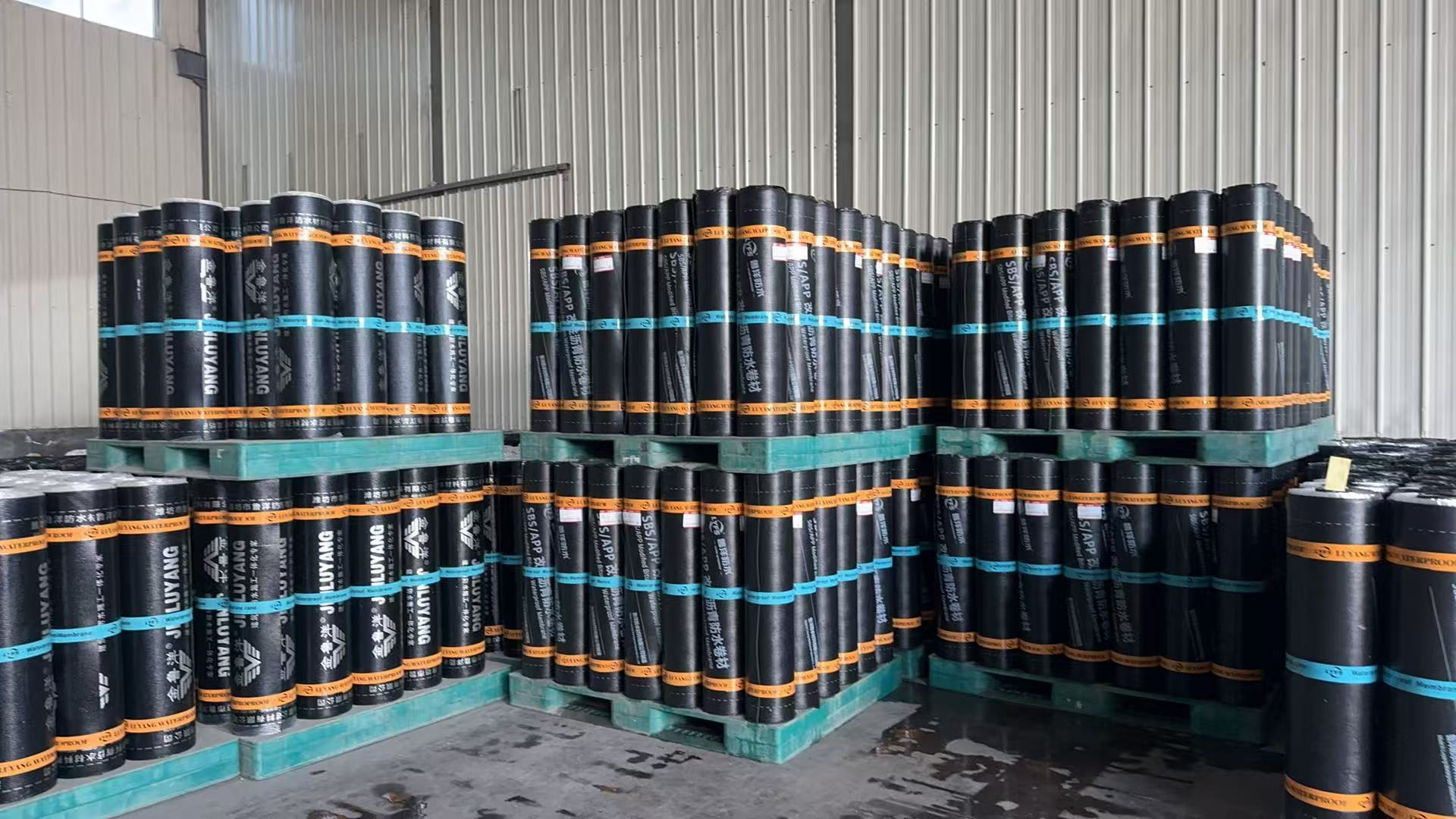
Lower Embodied Energy and Extended Service Life Reduced manufacturing energy compared to polymer-based membranes Waterproof membranes made from bitumen actually take far less energy to manufacture compared to those synthetic options such as PVC or T...
VIEW MORE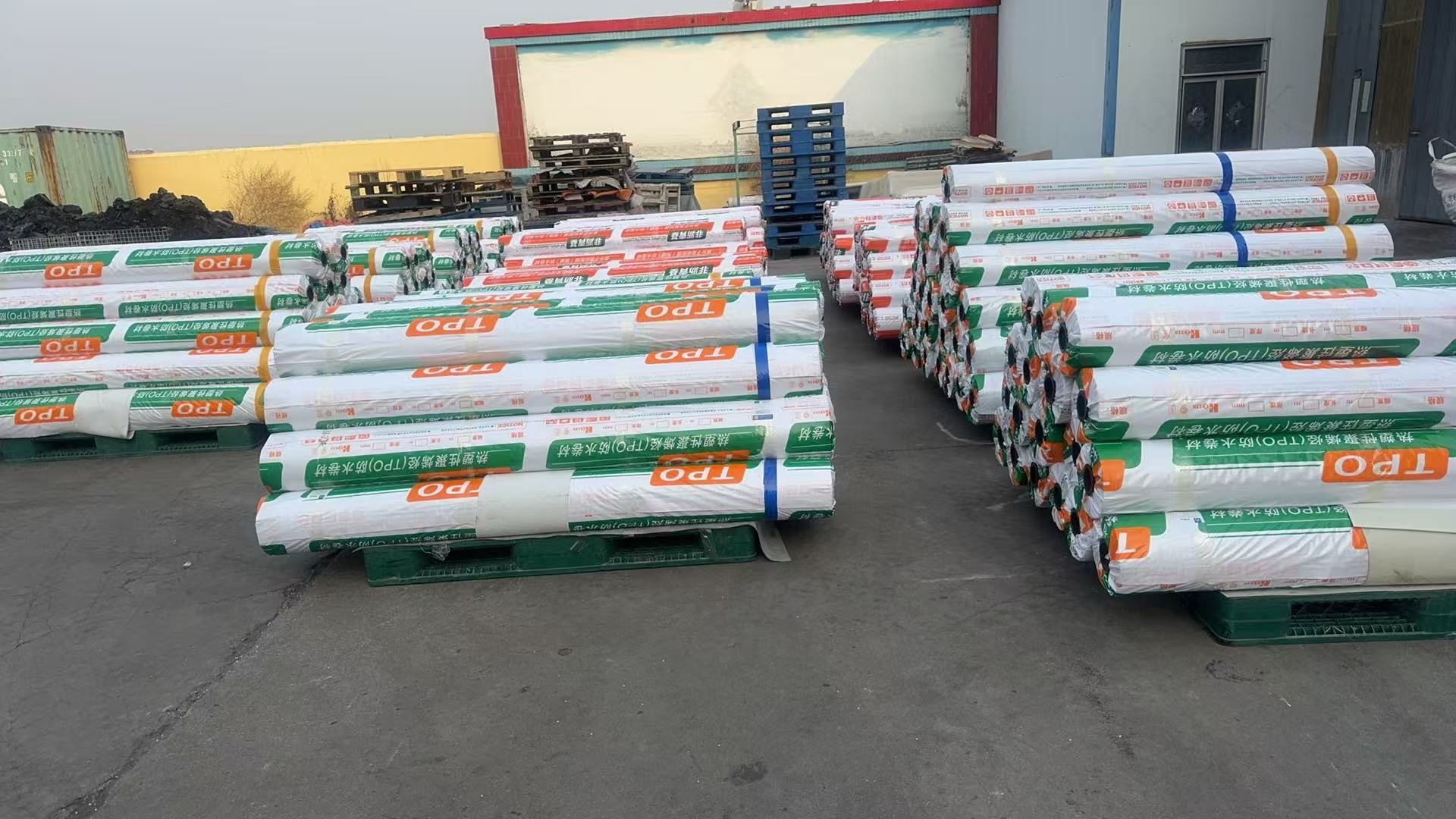
Understanding Green Building Standards and Membrane Eligibility Criteria How LEED, BREEAM, and Passive House Define Sustainable Membrane Performance Green building certifications set pretty strict standards when it comes to how construction membran...
VIEW MORE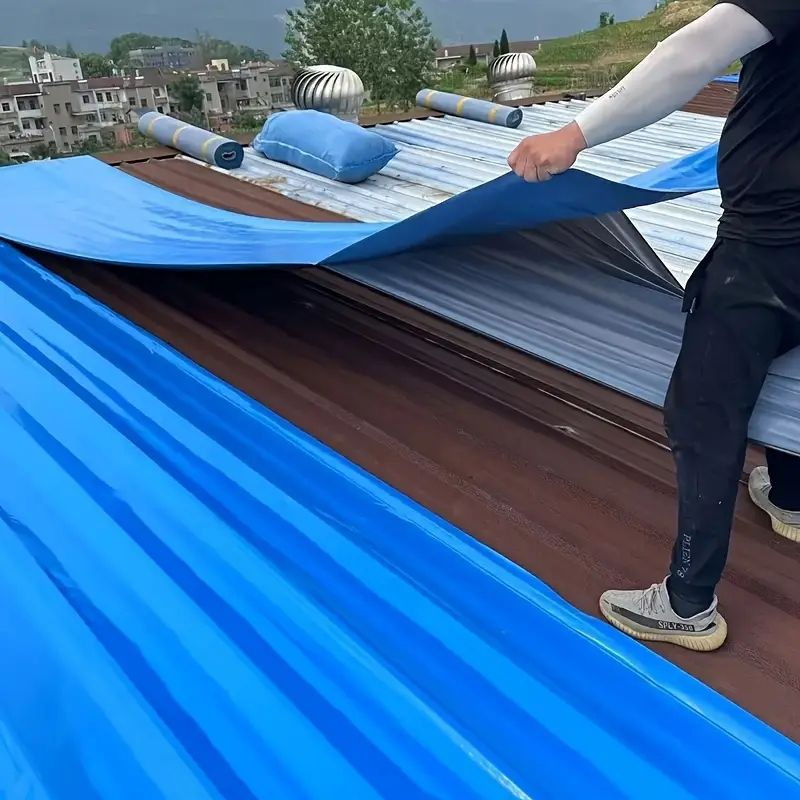
Why Waterproofing Membrane Quality Is the First Line of Structural Defense Mechanisms: How substandard membranes fail under hydrostatic pressure and thermal cycling Poor quality waterproofing membranes tend to form tiny cracks when exposed to consta...
VIEW MORE
Core Performance Properties of Polyurethane Coating for Exterior Walls Elasticity and Crack-Bridging Capacity Under Thermal Cycling Polyurethane coatings stay flexible even when temperatures swing between minus 40 degrees Celsius and 80 degrees Cel...
VIEW MORE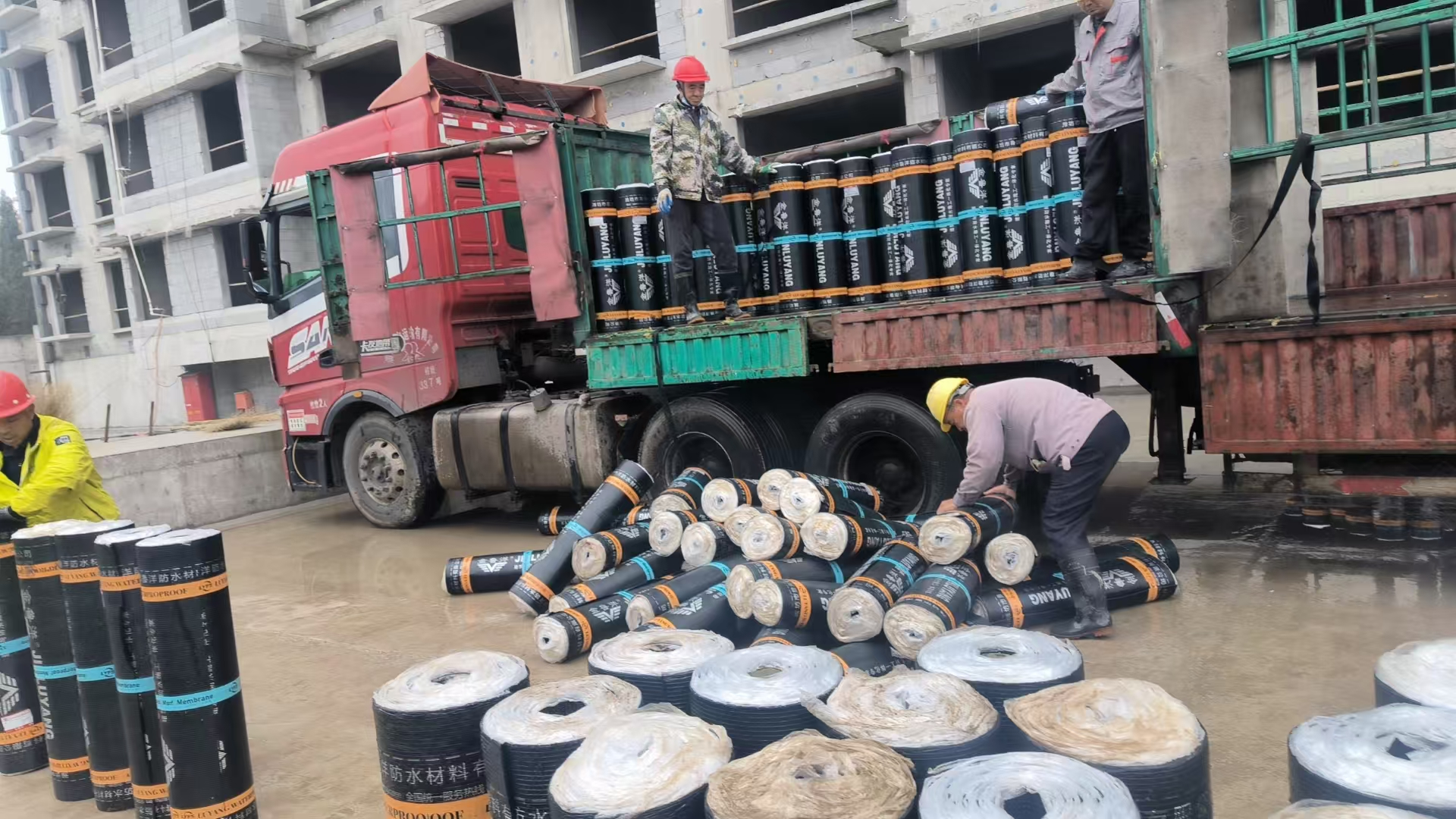
Waterproof Membrane Types: Chemistry, Structure, and Performance Profiles Sheet-Applied, Liquid-Applied, and Cementitious Systems: Installation Logic and Structural Integration There are basically three main ways to install waterproof membranes, ea...
VIEW MORE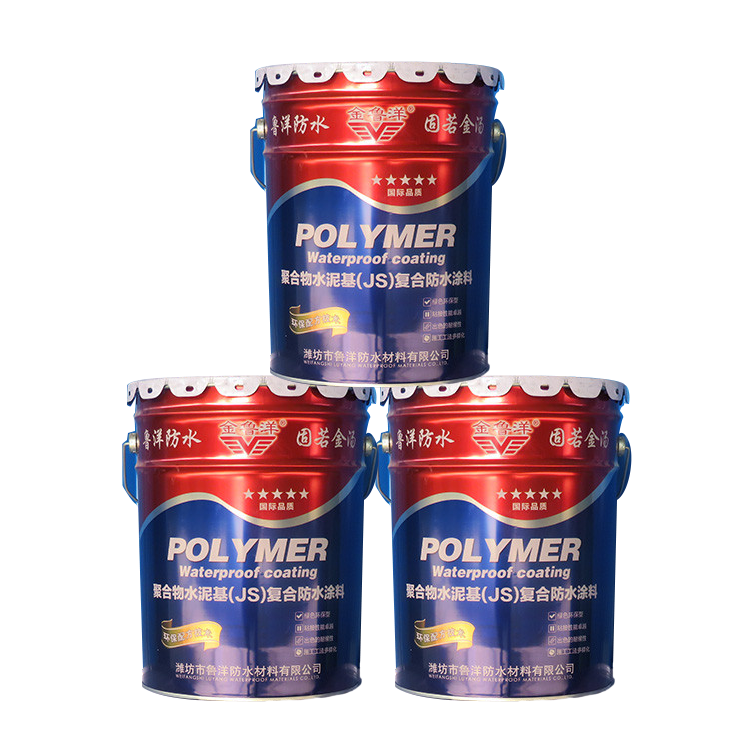
Critical Surface Preparation for Reliable Waterproof Coating Adhesion Removing Invisible Contaminants: Oil, Grease, Salts, and Residual Moisture When microscopic contaminants aren't properly removed from surfaces, this accounts for around 80% of wa...
VIEW MORE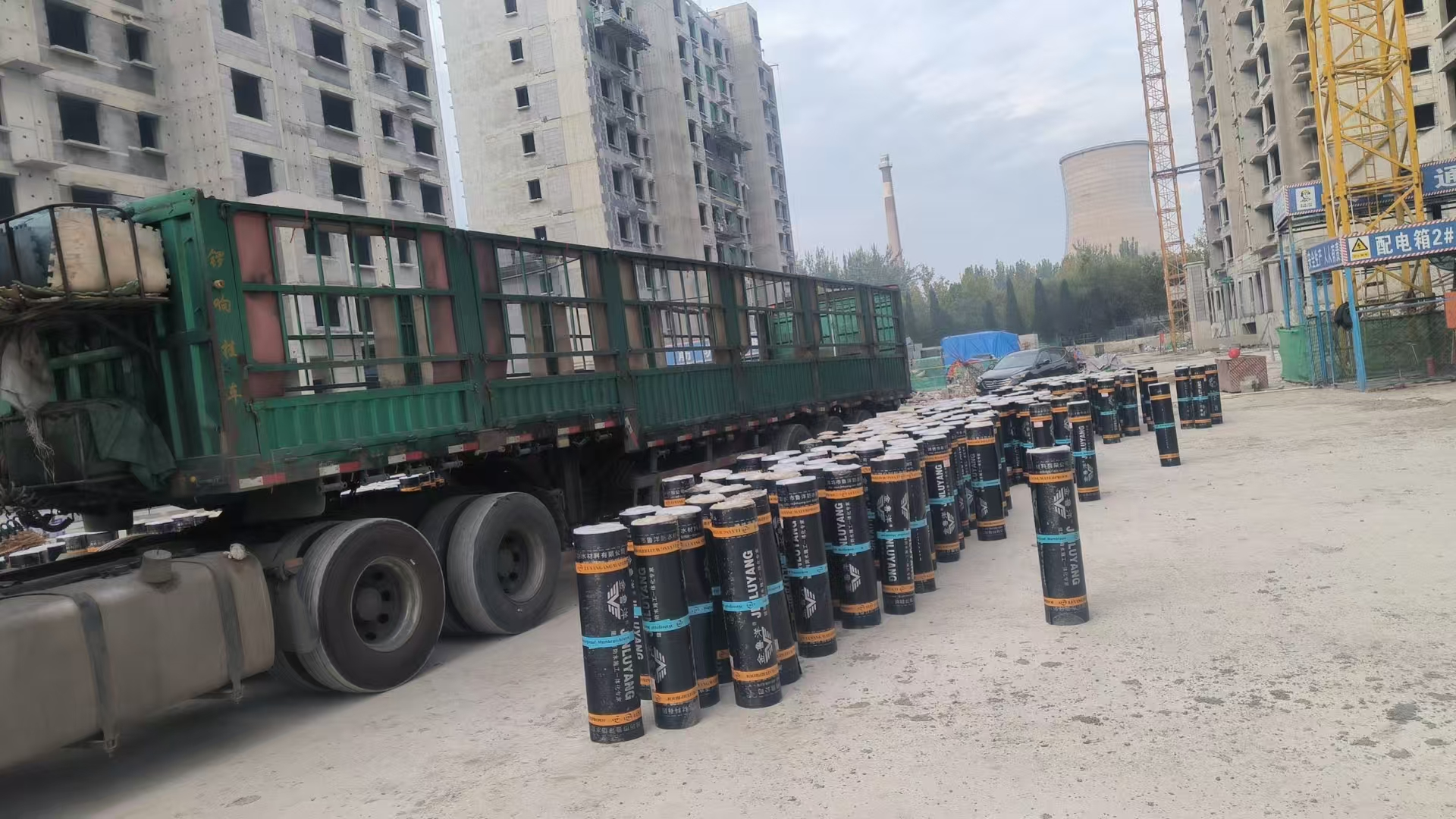
Superior Low-Temperature Flexibility and Crack Resistance Brittle Failure in Conventional Bituminous Membranes Below –25°C Standard bitumen based waterproofing membranes start to crack when temps dip below -25 degrees Celsius, basically t...
VIEW MORE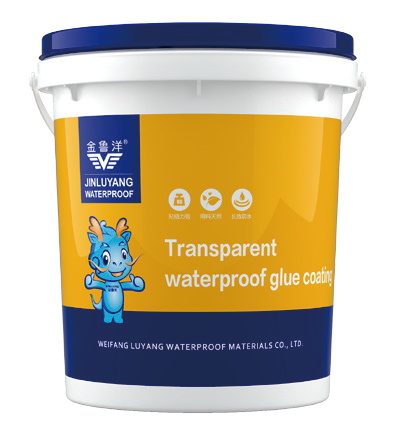
Waterproof Coating and Structural Longevity: Preventing Invisible Damage How water infiltration accelerates concrete carbonation, rebar corrosion, and load-bearing degradation When water gets into concrete, it starts the carbonation process by brin...
VIEW MORE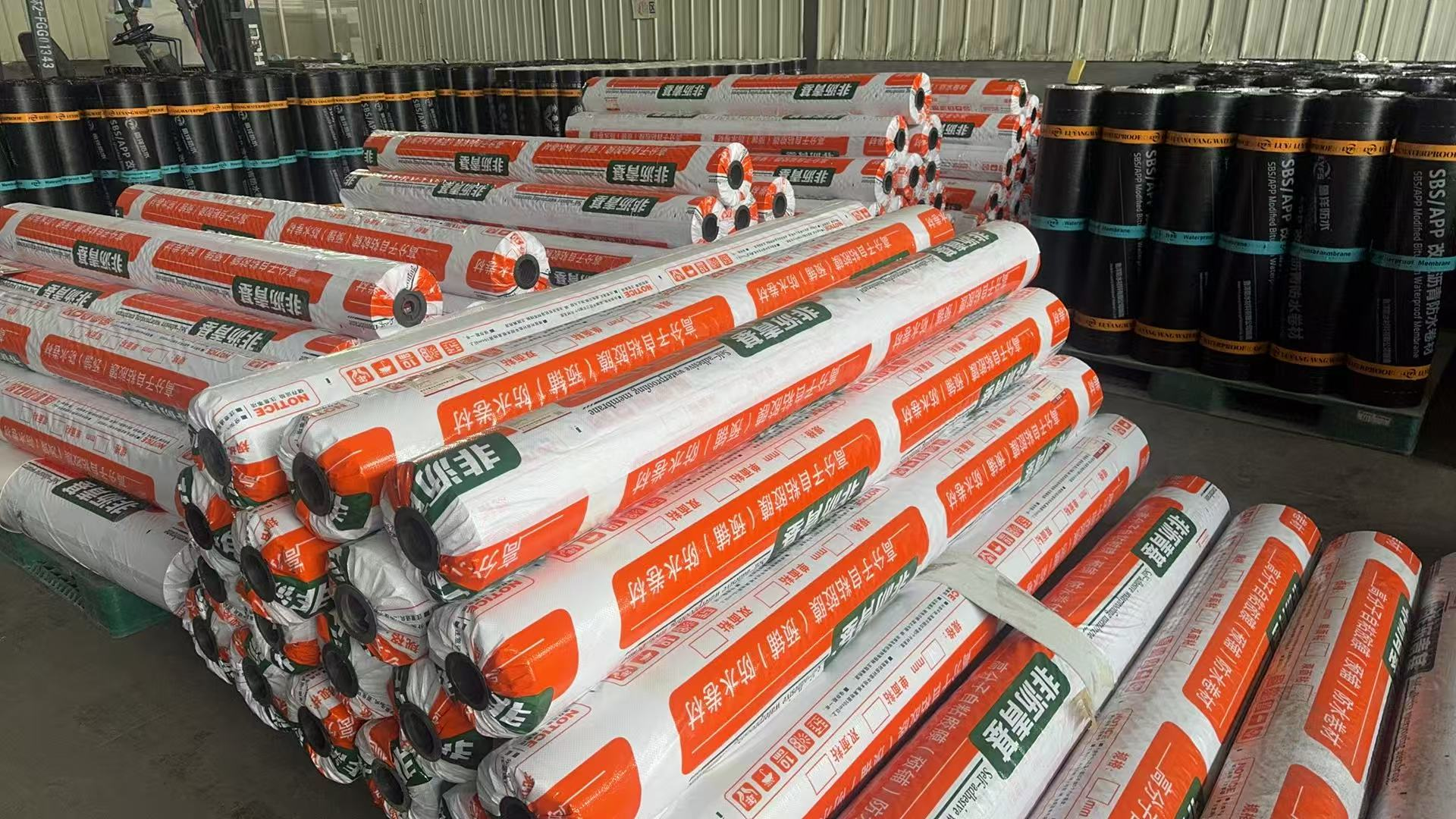
Why Premium Building Material Is the Foundation of Long-Term Waterproofing How Material Composition Impacts Hydrostatic Resistance and UV Stability High quality construction materials now incorporate special polymers and rubber compounds designed t...
VIEW MORE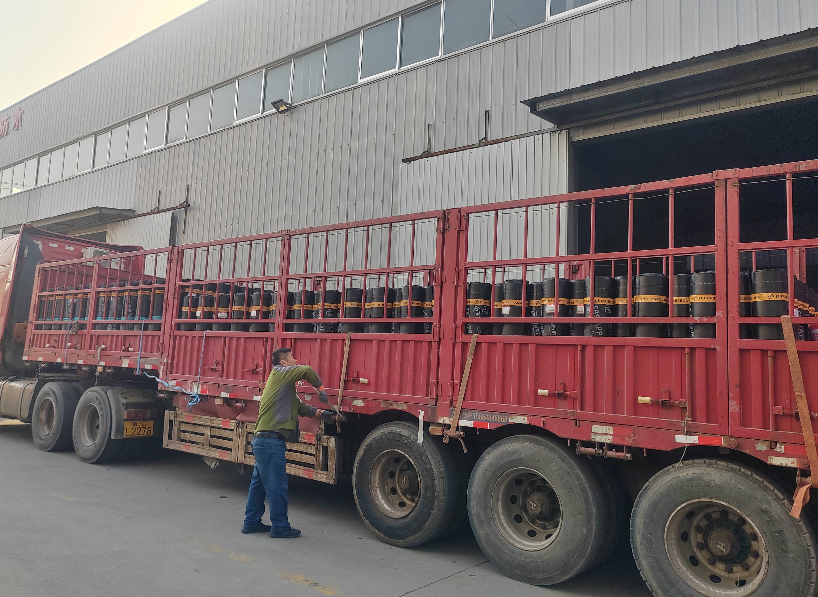
Polymer Modification: The Foundation of Performance in Bitumen Waterproof Membrane SBS vs APP: How Polymer Type Dictates Flexibility, UV Resistance, and Temperature Adaptability The introduction of SBS (styrene-butadiene-styrene) and APP (atactic p...
VIEW MORE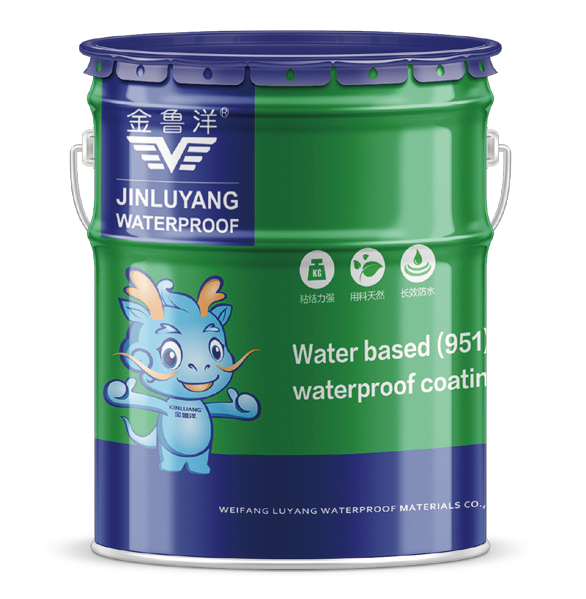
Why Water Based Coating Is the Foundation of Sustainable Waterproofing VOC Reduction and Improved Indoor Air Quality Water based coatings cut down on volatile organic compounds (VOCs) by somewhere between half and almost all when compared to old sc...
VIEW MORE
Exceptional Performance and Durability of TPO Membrane Heat-Welded Seams Deliver Seamless, Leak-Proof Waterproofing When heat welding is used for seams, it creates seamless barriers that completely eliminate those pesky fastener holes which are act...
VIEW MORE